
Close Menu
    Facebook X (Twitter) Instagram
    SciTechDaily
    • Biology
    • Chemistry
    • Earth
    • Health
    • Physics
    • Science
    • Space
    • Technology
    Facebook X (Twitter) Pinterest YouTube RSS
    SciTechDaily
    Home»Health»How to Live in Isolation – 9 Tips From Astronaut Support Engineer That Spent 520 Days Locked in Mockup Spacecraft
    Health

    How to Live in Isolation – 9 Tips From Astronaut Support Engineer That Spent 520 Days Locked in Mockup Spacecraft

    By European Space AgencyApril 24, 2020No Comments2 Mins Read
    Facebook Twitter Pinterest Telegram LinkedIn WhatsApp Email Reddit
    Share
    Facebook Twitter LinkedIn Pinterest Telegram Email Reddit
    Romain Charles Mars500
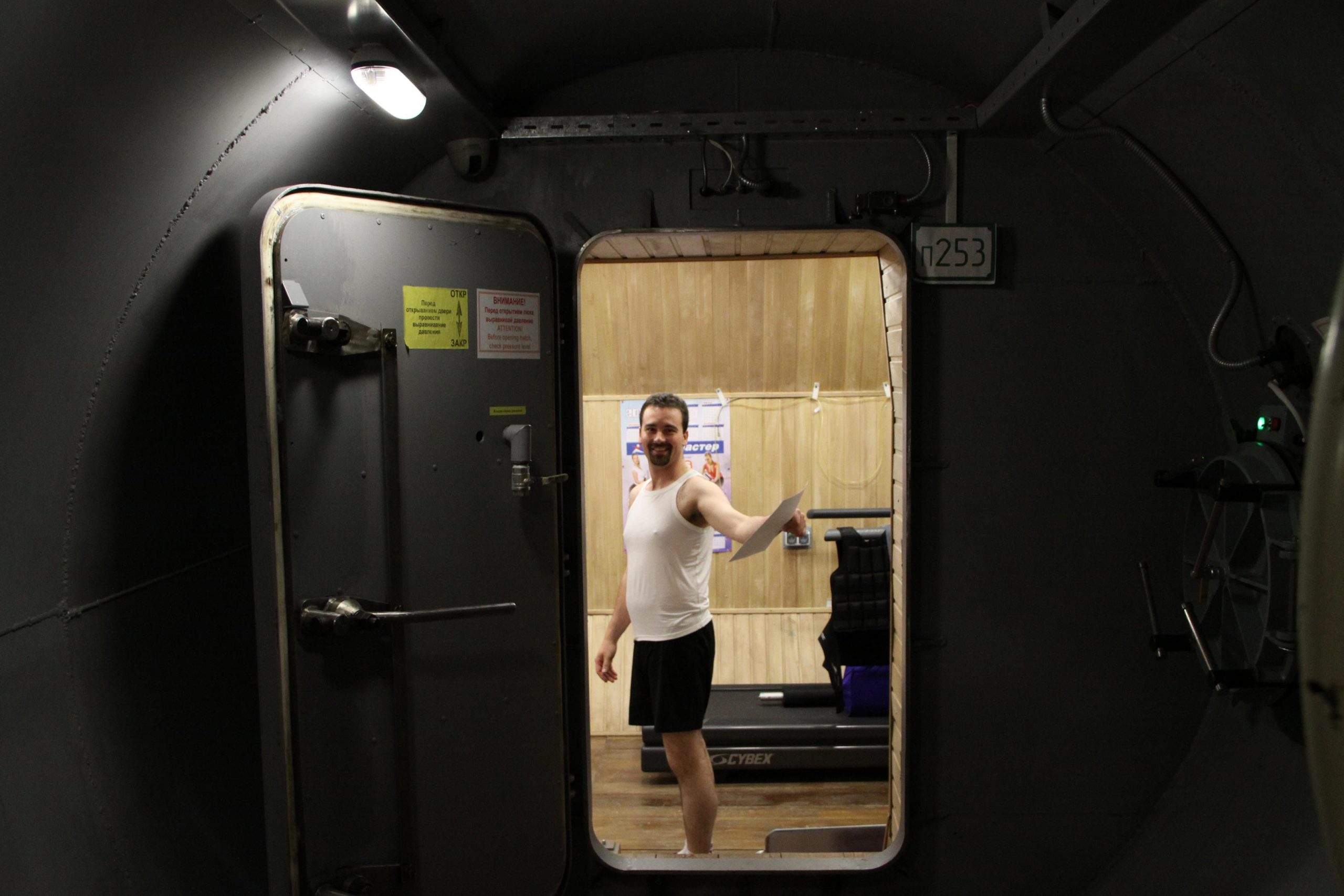
    Romain Charles, ESA astronaut support engineer for Mars 500, captured through a door. Credit: ESA – Mars500

    In these times of confinement, ESA astronaut support engineer Romain Charles shares nine tips on how to live in isolation – he spent 520 days locked in a mockup spacecraft and is a true expert on the subject.

    Mars500 locked six ‘marsonauts’ in a simulated spaceship near Moscow, Russia for 520 days, the time it would take to fly to Mars and back plus 30 days spent exploring its surface. It was the first full-length, high-fidelity simulation of a human mission to our neighboring planet. The crew went into lockdown on June 3, 2010, and they did not open the hatch until 17 months later on November 4, 2011.

    Mars 500 was a success in that it proved that humans can survive the inevitable isolation that is needed for a mission to Mars and back. Psychologically, we can do it!

    The crew had their ups and downs, but these were to be expected. In fact, scientists anticipated many more problems, but the crew did very well coping with the monotonous mission, with little variation in food and even a communication delay of over 12 minutes one-way.
    Romain at Christmas
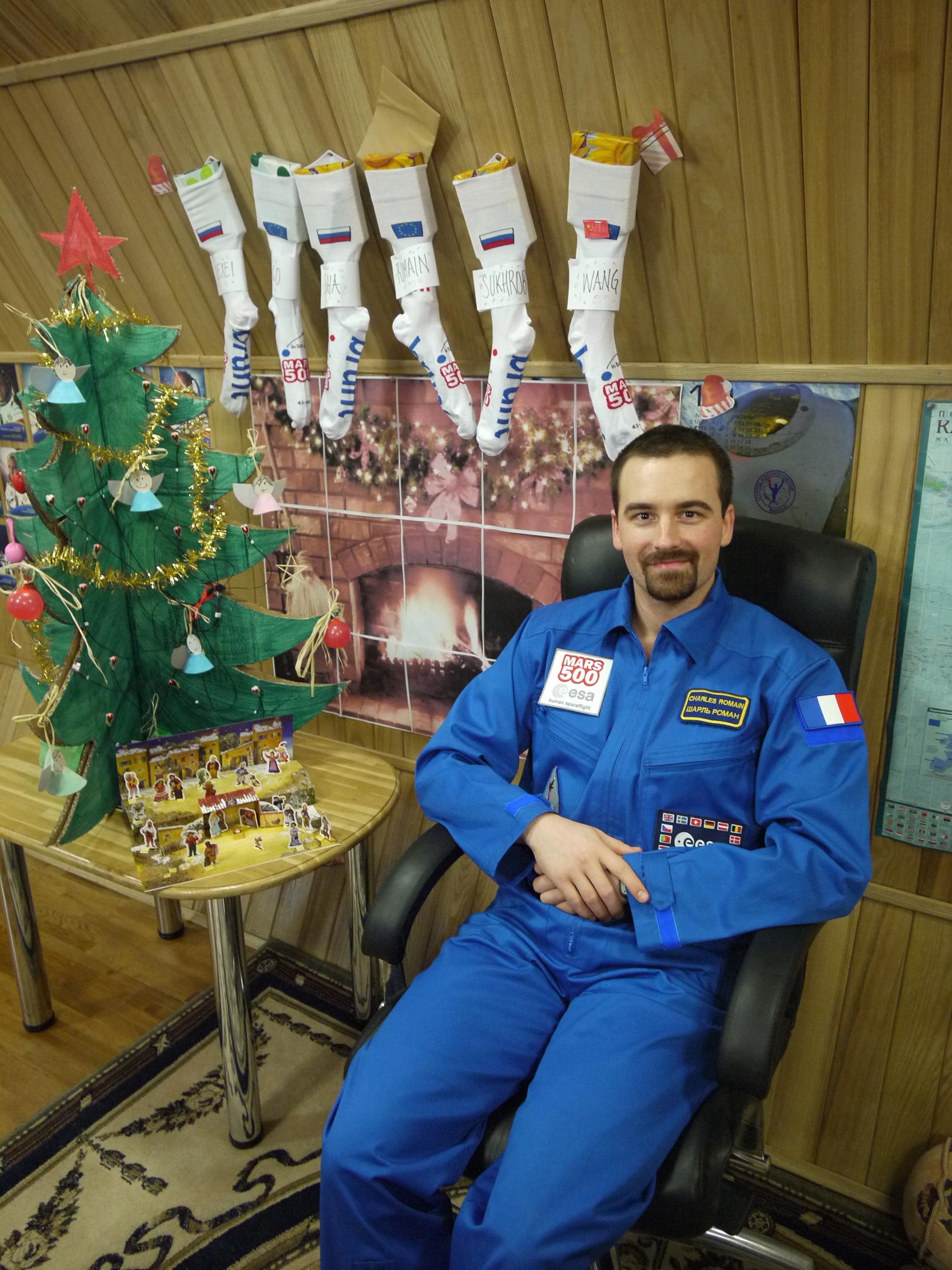
    Romain Charles smiling happily with a cardboard Christmas tree and socks full of presents. Credit:
    ESA/Mars500 crew

    During their simulated mission, the crew lived in isolation without fresh food, sunlight, or fresh air. The participants from Italy, Russia, China, and France had no external cues such as the Sun going down at night to remind them when to sleep.

    Their bodies are among the most researched in the world. Years of constant monitoring, prodding, and taking blood allowed scientists examined how they reacted to the time in confinement with experiments focussing on their bodies, mental states, and performance.

    Never miss a breakthrough: Join the SciTechDaily newsletter.
    Follow us on Google and Google News.

    COVID-19 European Space Agency Mars Popular Public Health
    Share. Facebook Twitter Pinterest LinkedIn Email Reddit

    Related Articles

    The Long Haul: How COVID Continues to Threaten Your Heart Years After Infection

    New Research: Lesser-Known Supplement Shows Promise in Relieving Long COVID Symptoms

    Scientists Develop Game-Changing Needle-Free COVID-19 Intranasal Vaccine

    Better Than Traditional Shots: New Nasal Vaccine Halts COVID-19 Transmission

    Scientists Expose Long-Term Cognitive Impacts of Mild COVID-19

    Cannabis Use and COVID-19: Surprising Scientific Link Uncovered

    COVID-19 Virus Can Lurk in Sperm for 100+ Days After Infection

    High Excess Death Rates in the West 3 Years Running Since COVID – “Serious Cause for Concern”

    Mask Myth Busted? New Research Reveals That Wearing Face Masks Did Not Reduce Risk of COVID Infection After First Omicron Wave

    Leave A Reply Cancel Reply

    • Facebook
    • Twitter
    • Pinterest
    • YouTube

    Don't Miss a Discovery

    Subscribe for the Latest in Science & Tech!

    Trending News

    Millions Take These IBS Drugs, But a New Study Finds Serious Risks

    Scientists Unlock Hidden Secrets of 2,300-Year-Old Mummies Using Cutting-Edge CT Scanner

    Bread Might Be Making You Gain Weight Even Without Eating More Calories

    Scientists Discover Massive Magma Reservoir Beneath Tuscany

    Europe’s Most Active Volcano Just Got Stranger – Here’s Why Scientists Are Rethinking It

    Alzheimer’s Symptoms May Start Outside the Brain, Study Finds

    Millions Take This Popular Supplement – Scientists Discover a Concerning Link to Heart Failure

    The Universe Is Expanding Too Fast and Scientists Can’t Explain Why

    Follow SciTechDaily
    • Facebook
    • Twitter
    • YouTube
    • Pinterest
    • Newsletter
    • RSS
    SciTech News
    • Biology News
    • Chemistry News
    • Earth News
    • Health News
    • Physics News
    • Science News
    • Space News
    • Technology News
    Recent Posts
    • Doctors Surprised by the Power of a Simple Drug Against Colon Cancer
    • Why Popular Diabetes Drugs Like Ozempic Don’t Work for Everyone: The “Genetic Glitch”
    • Scientists Create Improved Insulin Cells That Reverse Diabetes in Mice
    • Scientists Stunned After Finding Plant Thought Extinct for 60 Years
    • A Common Diabetes Drug May Hold the Key to Stopping HIV From Coming Back
    Copyright © 1998 - 2026 SciTechDaily. All Rights Reserved.
    • Science News
    • About
    • Contact
    • Editorial Board
    • Privacy Policy
    • Terms of Use

    Type above and press Enter to search. Press Esc to cancel.