
Close Menu
    Facebook X (Twitter) Instagram
    SciTechDaily
    • Biology
    • Chemistry
    • Earth
    • Health
    • Physics
    • Science
    • Space
    • Technology
    Facebook X (Twitter) Pinterest YouTube RSS
    SciTechDaily
    Home»Space»Hurricane Milton Grounds NASA’s Historic Europa Clipper Mission to Jupiter’s Moon
    Space

    Hurricane Milton Grounds NASA’s Historic Europa Clipper Mission to Jupiter’s Moon

    By NASAOctober 8, 2024No Comments3 Mins Read
    Facebook Twitter Pinterest Telegram LinkedIn WhatsApp Email Reddit
    Share
    Facebook Twitter LinkedIn Pinterest Telegram Email Reddit
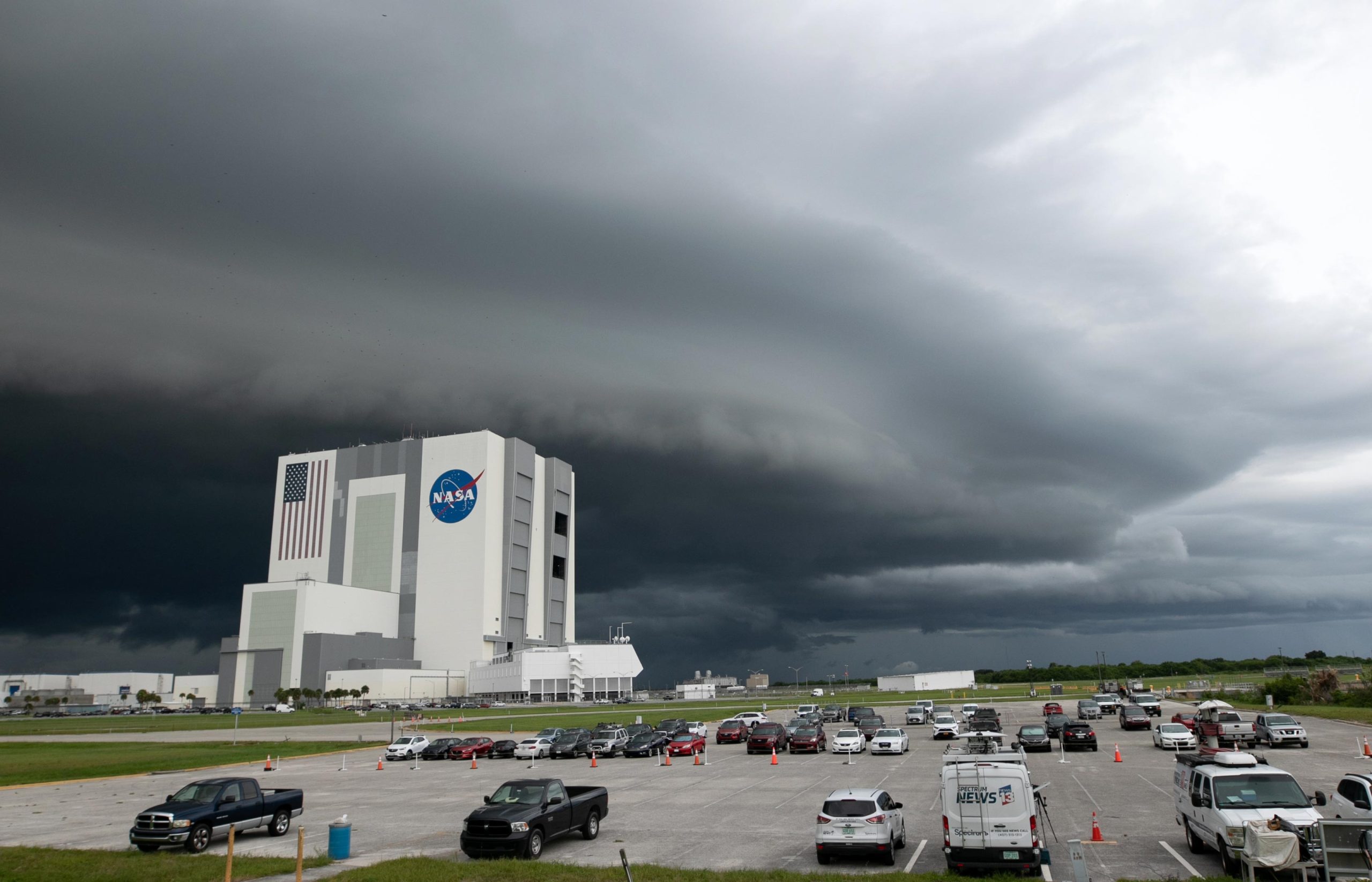
    Storm Clouds Over VAB Kennedy Space Center
    Storm clouds roll in over the Vehicle Assembly Building (VAB) at NASA’s Kennedy Space Center in Florida. (File photo.) Credit: NASA/Ben Smegelsky

    NASA and SpaceX have postponed the launch of the Europa Clipper mission due to Hurricane Milton threatening Florida’s Space Coast with high winds and heavy rain.

    The spacecraft has been secured at Kennedy Space Center’s Launch Complex 39A, with launch teams on standby to evaluate conditions post-storm. Tim Dunn, senior launch director, emphasized the priority of team safety and the extensive measures being taken to protect the mission.

    Launch Delayed Due to Hurricane Milton

    NASA and SpaceX are standing down from the Thursday, October 10, launch attempt of the agency’s Europa Clipper mission due to anticipated hurricane conditions in the area. Hurricane Milton is expected to move from the Gulf of Mexico this week moving east to the Space Coast. High winds and heavy rain are expected in the Cape Canaveral and Merritt Island regions on Florida’s east coast. Launch teams have secured NASA’s Europa Clipper spacecraft in SpaceX’s hangar at Launch Complex 39A at the agency’s Kennedy Space Center in Florida ahead of the severe weather, and the center began hurricane preparations Sunday.

    “The safety of launch team personnel is our highest priority, and all precautions will be taken to protect the Europa Clipper spacecraft,” said Tim Dunn, senior launch director at NASA’s Launch Services Program.
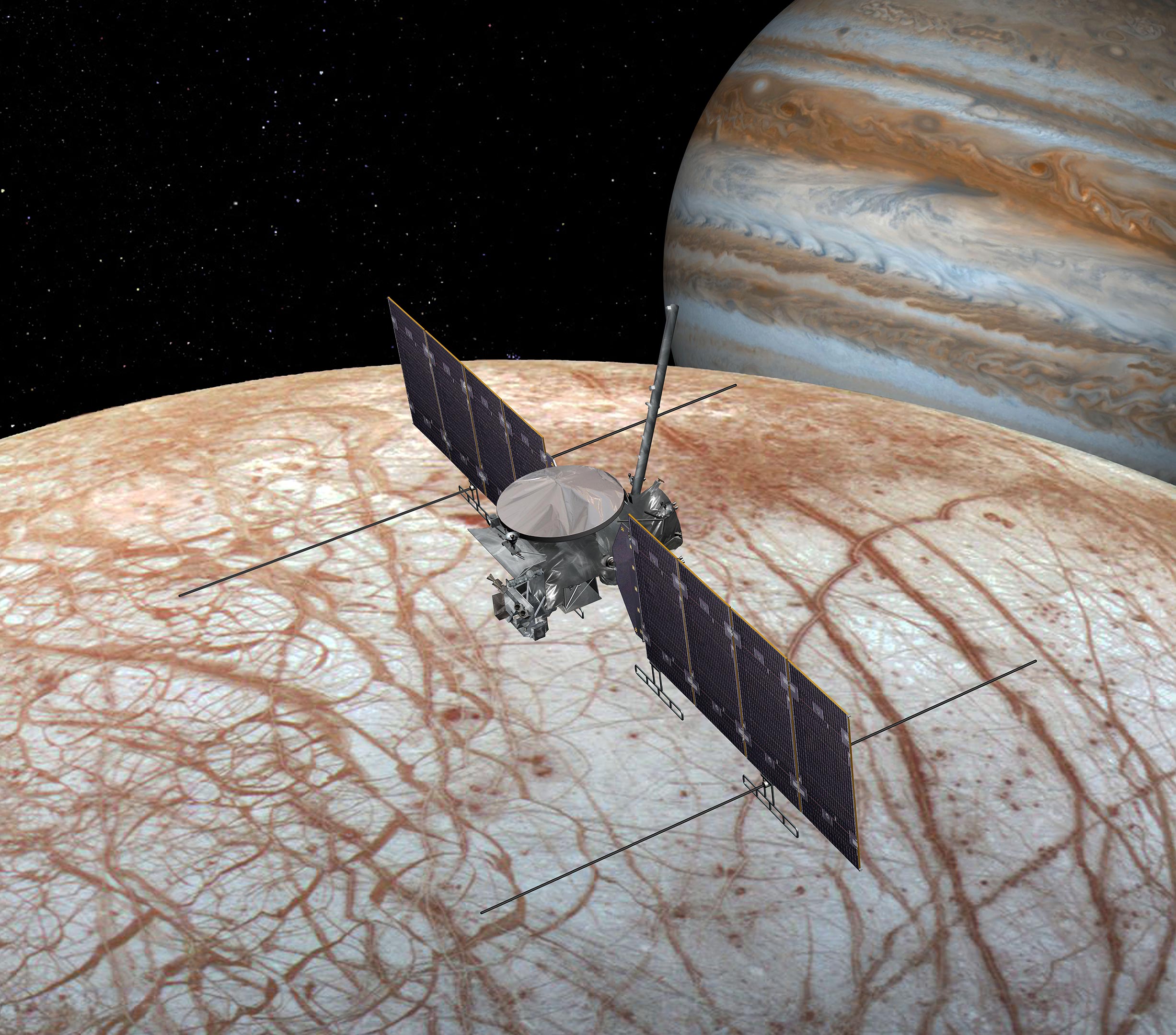
    Europa Mission Spacecraft Artist's Rendering
    NASA’s Europa Clipper mission is set to explore the icy surface and hidden oceans of Jupiter’s moon Europa. Through intensive flybys, the mission aims to uncover evidence of the moon’s potential to support life, analyzing its atmospheric and geological characteristics. Credit: NASA/JPL-Caltech

    Final Preparations and Safety Measures

    On October 4, workers transported NASA’s Europa Clipper spacecraft from the Payload Hazardous Servicing Facility at NASA’s Kennedy Space Center to the SpaceX Falcon Heavy rocket in the hangar as part of final launch preparations ahead of its journey to Jupiter’s icy moon. While Europa Clipper’s launch period opens on October 10, the window provides launch opportunities until Wednesday, November 6.

    Once the storm passes, recovery teams will assess the safety of the spaceport before personnel return to work. Then launch teams will assess the launch processing facilities for damage from the storm.

    “Once we have the ‘all-clear’ followed by facility assessment and any recovery actions, we will determine the next launch opportunity for this NASA flagship mission,” said Dunn.

    About Europa Clipper

    NASA’s Europa Clipper mission is an ambitious endeavor designed to explore Jupiter’s moon, Europa. Scheduled for launch aboard a SpaceX Falcon Heavy rocket, this mission aims to conduct detailed reconnaissance of Europa’s ice-covered surface, searching for signs of subsurface oceans and potential life. Equipped with a suite of sophisticated scientific instruments, the spacecraft will perform multiple close flybys of Europa, gathering data on its atmosphere, surface, and possibly even its interior.

    Europa Clipper’s main objective is to determine if Europa possesses conditions suitable for life. By studying the moon’s icy shell and underlying ocean, scientists hope to gain insights into the moon’s composition, geology, and the potential habitability of its watery depths. This information is crucial not only for understanding more about the moon itself but also for broader astrobiological studies within our solar system.

    Never miss a breakthrough: Join the SciTechDaily newsletter.
    Follow us on Google and Google News.

    Europa Clipper Kennedy Space Center NASA SpaceX
    Share. Facebook Twitter Pinterest LinkedIn Email Reddit

    Related Articles

    NASA’s Largest Planetary Spacecraft Ever: Europa Clipper Blasts Off on a Historic Journey

    NASA’s Europa Clipper Spacecraft Transported to SpaceX Hangar at Kennedy Space Center

    Watch Live: NASA’s Europa Clipper Launching to Jupiter’s Icy Moon on SpaceX Falcon Heavy

    NASA’s SpaceX Crew-4 Astronauts Arrive at Florida Spaceport for Final Preparations Before Launch

    SpaceX’s Brand-New Dragon Spacecraft “Freedom” Arrives at NASA’s Kennedy Space Center

    NASA Awards SpaceX With Launch Services Contract for Europa Clipper Mission

    First Human-Rated Commercial Space System: NASA Officially Certifies SpaceX Crew Dragon

    SpaceX Reaches for Milestone in Spaceflight – A Private Company Launches Astronauts Into Orbit at Low Cost

    NASA’s SpaceX Demo-2 Cleared to Proceed Toward May 27 Launch

    Leave A Reply Cancel Reply

    • Facebook
    • Twitter
    • Pinterest
    • YouTube

    Don't Miss a Discovery

    Subscribe for the Latest in Science & Tech!

    Trending News

    Scientists Recreate a Nuclear Fireball and Uncover Fallout’s Hidden Chemistry

    These Tiny Gut Particles Could Be Accelerating Aging Throughout the Body

    Doctors Changed One Thing and Weight Gain Stopped

    Magnetic Fields May Solve a Longstanding Binary Star Mystery

    The Probiotic Breakthrough for Natural Anxiety Relief and Better Mental Health

    Animal vs. Plant Protein: Scientists Found a Surprising Nutritional Difference

    According to Scientists, This Simple Dietary Change Is Linked to Lower Depression Scores

    Researchers Discover a Hidden Vitamin D Problem That Persists Year-Round

    Follow SciTechDaily
    • Facebook
    • Twitter
    • YouTube
    • Pinterest
    • Newsletter
    • RSS
    SciTech News
    • Biology News
    • Chemistry News
    • Earth News
    • Health News
    • Physics News
    • Science News
    • Space News
    • Technology News
    Recent Posts
    • Scientists Uncover Why Walking Gets Slower and More Exhausting As We Age
    • 24 Hours Without Sleep Changes Your Saliva in Measurable Ways
    • A Major Update Just Hit Cholesterol Guidelines – Here’s What Every Adult Needs To Know
    • Scientists Tracked 4,500 Animals During COVID – What They Discovered Was Surprising
    • Hidden Phase of Matter Finally Captured After Decades of Predictions
    Copyright © 1998 - 2026 SciTechDaily. All Rights Reserved.
    • Science News
    • About
    • Contact
    • Editorial Board
    • Privacy Policy
    • Terms of Use

    Type above and press Enter to search. Press Esc to cancel.