
Close Menu
    Facebook X (Twitter) Instagram
    SciTechDaily
    • Biology
    • Chemistry
    • Earth
    • Health
    • Physics
    • Science
    • Space
    • Technology
    Facebook X (Twitter) Pinterest YouTube RSS
    SciTechDaily
    Home»Biology»Iconic British Corals Predicted To Be Resilient to Climate Change
    Biology

    Iconic British Corals Predicted To Be Resilient to Climate Change

    By University of ExeterMay 27, 2022No Comments3 Mins Read
    Facebook Twitter Pinterest Telegram LinkedIn WhatsApp Email Reddit
    Share
    Facebook Twitter LinkedIn Pinterest Telegram Email Reddit
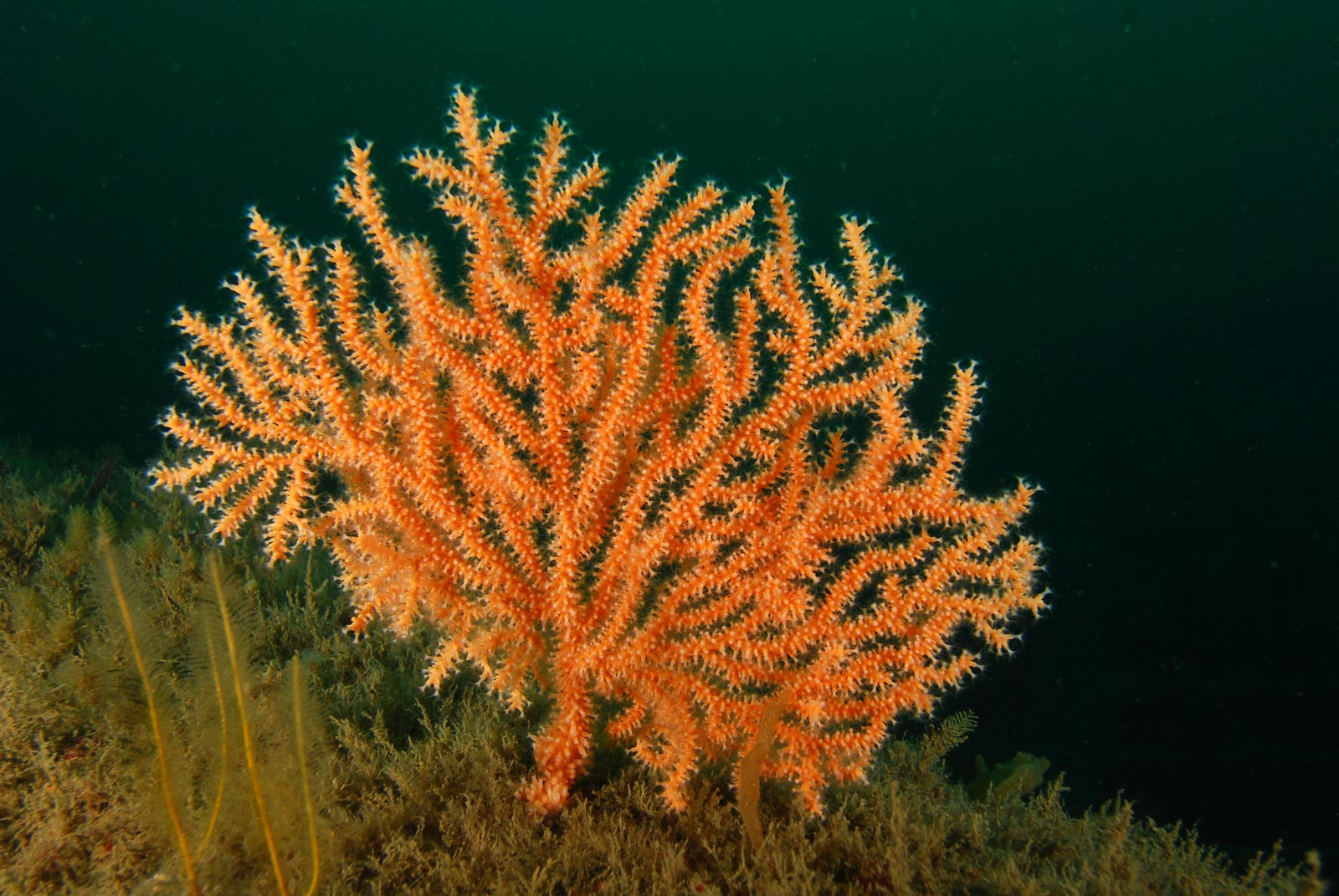
    Pink Sea Fan
    Pink sea fan. Credit: Jamie Stevens

    An iconic coral species found in UK waters could expand its range due to climate change, according to a new study.

    The pink sea fan is a soft coral that lives in shallow waters from the western Mediterranean (southern range) to northwest Ireland and the southwest of England and Wales (northern range).

    The species is classified as “vulnerable” worldwide and it is listed as a species of principal importance in England and Wales under the NERC Act 2006.

    The new research, by the University of Exeter, found that the species is likely to spread northwards – including around the British coast – as global temperatures rise. The findings could be used to identify priority areas to protect pink sea fan populations.

    “We built models to predict the current and future (2081-2100) habitat of pink sea fans across an area covering the Bay of Biscay, the British Isles, and southern Norway,” said Dr. Tom Jenkins, from the University of Exeter.

    “The model predictions revealed current areas of suitable habitat beyond the current northern range limits of the pink sea fan, in areas where colonies have not yet been observed.  

    Potential Barriers to Northward Spread

    “It’s not clear why pink sea fans have not yet colonized these areas. Possible barriers include insufficient dispersal of their larvae and high competition between species for space and resources.

    “Our future predictions, using a high-emissions global warming scenario called RCP 8.5, revealed an increase in suitable habitat for pink sea fans to the north of its current range – so the species could spread northwards by 2100.

    “We also found that existing habitat across south-west Britain, the Channel Islands, and north-west France is predicted to remain suitable for this species over the next 60-80 years.”
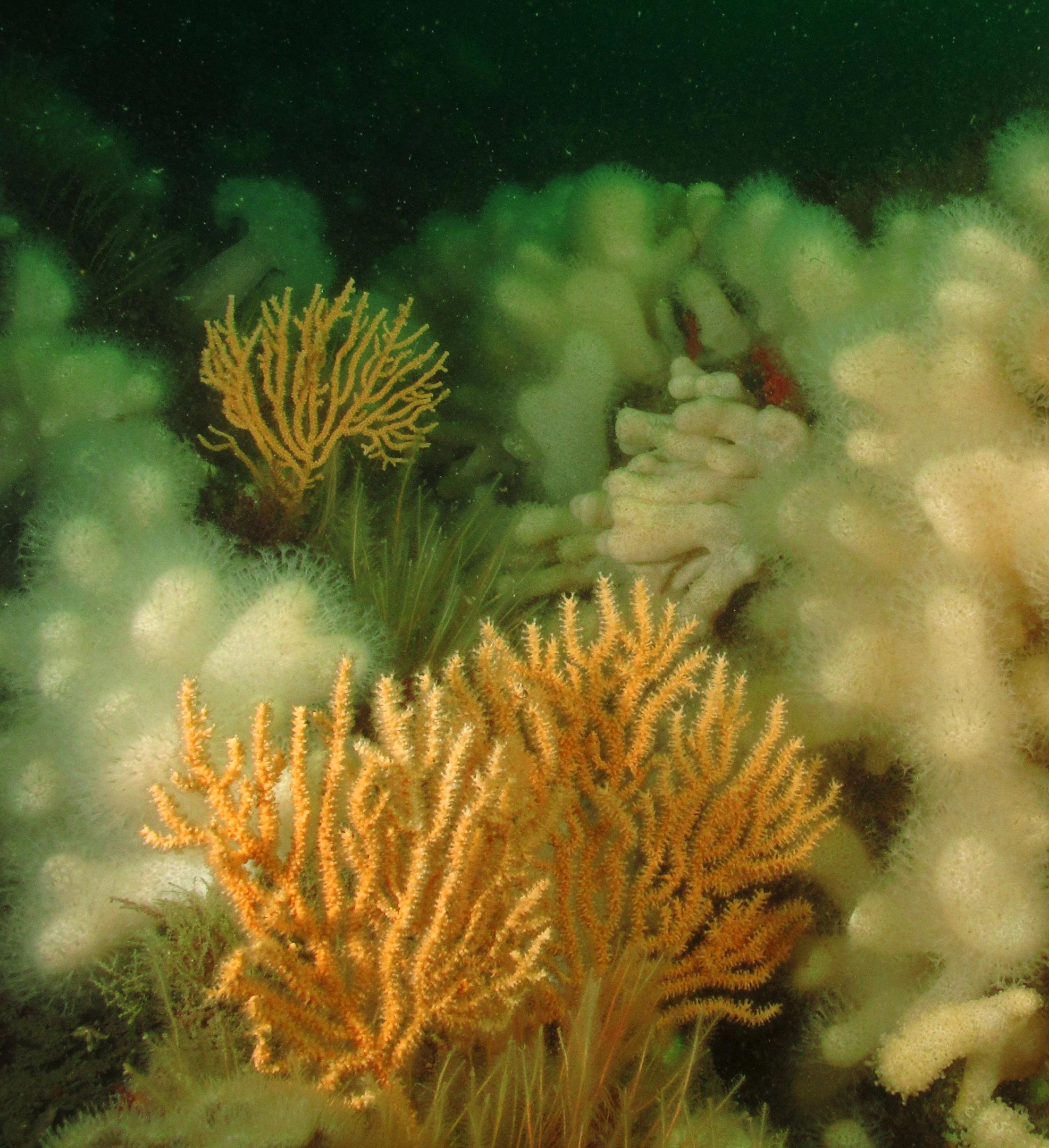
    Pink Sea Fans
    Pink sea fans. Credit: C Webb

    The study examined another soft coral species called dead man’s fingers.

    For this species, future predictions revealed an overall decrease in suitable habitat in the southern portion of the study area and an accompanying increase in the northern portion of the species’ range.

    Ecological Importance of Pink Sea Fans

    Pink sea fans, like many octocoral species, are ecologically important because they add complexity to reef systems and support marine biodiversity, especially when they form dense ‘forests’.

    They can also be used as a broader indicator of ecosystem health because fragmented or diseased colonies may be an indicator of degraded environments.

    Dr. Jamie Stevens, also from the University of Exeter, said: “This research highlights the complex effects of climate change on marine ecosystems, in which the ranges of some species respond to warming by shifting pole-wards.

    “In a rapidly changing mosaic of habitats, some species – typically those favoring warmer conditions – may come out as short-term ‘winners’.

    “How long these species can continue to expand and benefit in the face of accelerated warming remains to be seen.”

    The paper, published in the journal PeerJ, is entitled: “Predicting habitat suitability and range shifts under projected climate change for two octocorals in the north-east Atlantic.”

    Reference: “Predicting habitat suitability and range shifts under projected climate change for two octocorals in the north-east Atlantic” by Tom L. Jenkins​ and Jamie R. Stevens, 27 May 2022, PeerJ.
    DOI: 10.7717/peerj.13509

    Never miss a breakthrough: Join the SciTechDaily newsletter.
    Follow us on Google and Google News.

    Climate Change Coral Reefs Marine Biology University of Exeter
    Share. Facebook Twitter Pinterest LinkedIn Email Reddit

    Related Articles

    Climate Change Resilience: Northern Red Sea Corals Pass Heat Stress Test With Flying Colors

    Resilience to Climate Change: Corals Carefully Organize Proteins to Form Rock-Hard Skeletons

    Genetic Research Reveals Hidden Diversity of Coral More Important for Conservation Than Previously Thought

    Global Warming Poses Threat to Food Chains – “Impact Could Be Severe”

    Abundance of Life on Coral Reefs Has Been Puzzling Since Charles Darwin’s Day – New Research Provides Answers

    Huge International Effort: Forty Years of Coral Spawning Captured in One Place for the First Time

    Crown-of-Thorns Starfish Eat Themselves Out of House and Home

    The Great Barrier Reef Has Lost Half Its Corals – Massive Declines in Just 3 Decades

    New Hope for Coral Reef Restoration From Playing Sounds of Healthy Reefs on Loudspeakers

    Leave A Reply Cancel Reply

    • Facebook
    • Twitter
    • Pinterest
    • YouTube

    Don't Miss a Discovery

    Subscribe for the Latest in Science & Tech!

    Trending News

    Scientists Discover 132-Million-Year-Old Dinosaur Tracks on South Africa’s Coast

    Scientists Uncover the Secret Ingredient Behind the Spark That May Have Started Life on Earth

    Physicists Observe Matter in Two Places at Once in Mind-Bending Quantum Experiment

    Stanford Scientists Discover Hidden Brain Circuit That Fuels Chronic Pain

    New Study Reveals Why Ozempic Works Better for Some People Than Others

    Climate Change Is Altering a Key Greenhouse Gas in a Way Scientists Didn’t Expect

    New Study Suggests Gravitational Waves May Have Created Dark Matter

    Scientists Discover Why the Brain Gets Stuck in Schizophrenia

    Follow SciTechDaily
    • Facebook
    • Twitter
    • YouTube
    • Pinterest
    • Newsletter
    • RSS
    SciTech News
    • Biology News
    • Chemistry News
    • Earth News
    • Health News
    • Physics News
    • Science News
    • Space News
    • Technology News
    Recent Posts
    • Groundbreaking Enzyme Atlas Rewrites Decades of Biology Research
    • New “Nanozyme Hypothesis” Could Rewrite the Story of Life’s Origins
    • Anatomy Isn’t Finished: The Human Body Still Holds Secrets
    • Researchers Discover Long-Lost Words of Ancient Greek Philosopher After 2,000 Years
    • New Study Warns: Asia’s Lifeline Water Source Is Rapidly Draining
    Copyright © 1998 - 2026 SciTechDaily. All Rights Reserved.
    • Science News
    • About
    • Contact
    • Editorial Board
    • Privacy Policy
    • Terms of Use

    Type above and press Enter to search. Press Esc to cancel.