
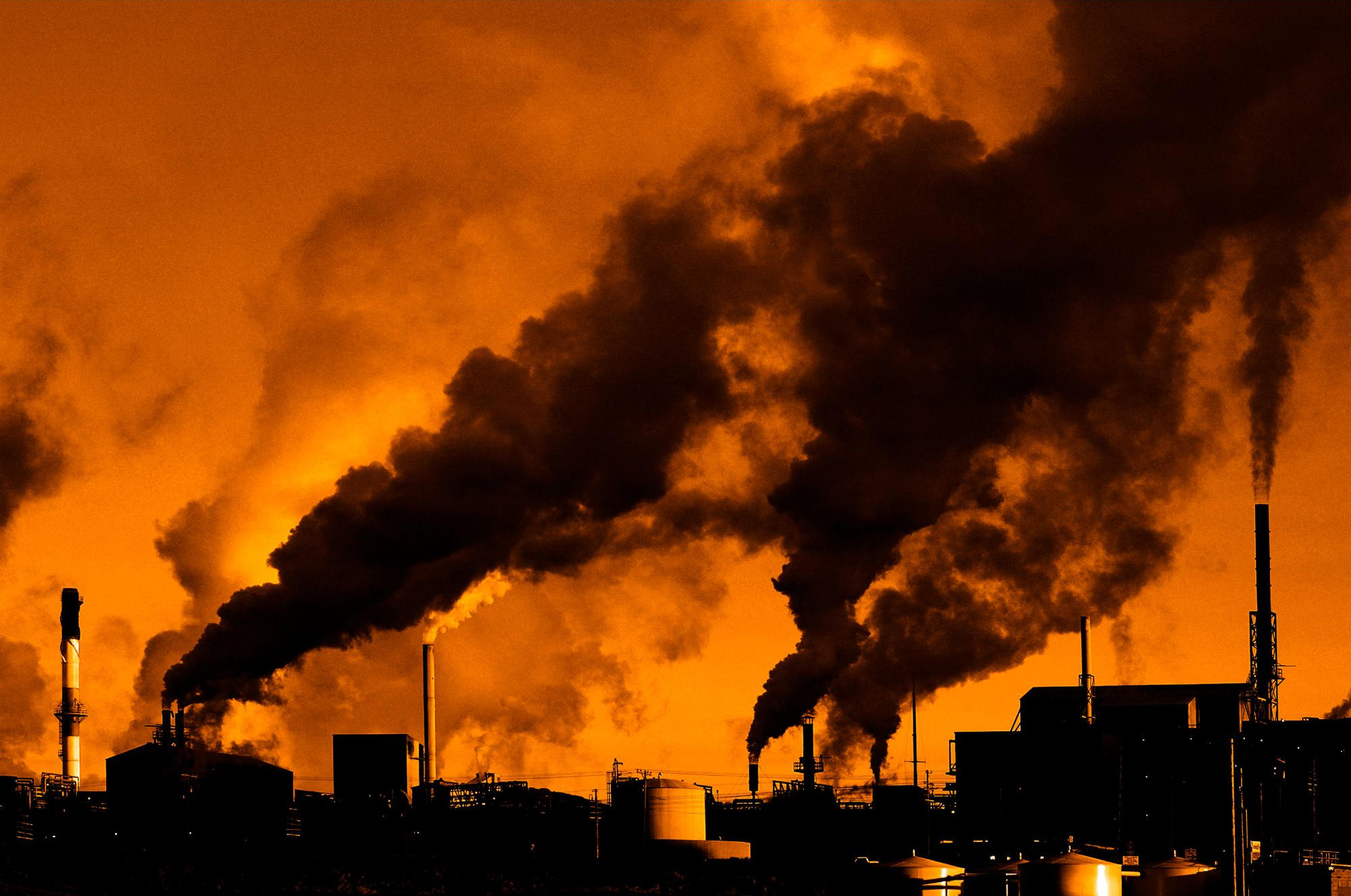
A new report in Nature Geoscience has brought to light the challenge of air pollution levels in Africa and why international action is needed to combat it.
Over the last 50 years African nations have suffered from rapidly deteriorating air quality, making their cities some of the most polluted in the world. Particulate matter concentration levels are now five to ten levels greater than that recommended by the World Health Organisation, with the situation predicted to worsen as populations grow and industrialization accelerates.
However, far too little has been done to try and combat the dangerous air quality with just 0.01% of global air pollution funding currently spent in Africa.
The new perspective piece from the University of Birmingham, the University of Cambridge, Imperial College London, South Eastern Kenya University, and the African Centre for Clean Air, published in Nature Geoscience, argues that tackling this issue requires collective efforts from African countries, regionally tailored solutions, and global collaboration.
The Causes and Impacts of Air Pollution in Africa
Francis Pope, Professor of Atmospheric Science at the University of Birmingham and one of the co-authors, said: “The burning of biomass fuel for cooking, heating, and lighting, the crude oil exploitation and coal mining industries, and old vehicles being shipped in from Europe are all causes for the poor air quality in African nations. This dangerous air can cause complex and sometimes deadly health issues for those breathing it in. If this wasn’t enough of a reason to tackle this issue, air pollution in Africa is not just a problem for people living on the continent, but for the wider world, limiting the ability to meet global climate targets and combat the climate emergency.”
Multiple efforts have been made over the years to tackle air pollution, such as the signing of C40 Clean Air Declaration by ten major African cities. Initiatives to monitor air pollution levels and collect much-needed data have also begun to gather momentum.
But there is still much to be done. The researchers argue that regional and international efforts must be coordinated to achieve real change and leverage existing knowledge on controlling and cutting air pollution.
They call for urgent collaboration on:
- Continuous air monitoring via a network of sensors in order to build a detailed picture of air pollution variations and track progress.
- Investment in clean energy such as solar, hydropower, and wind to meet Africa’s energy demand which is expected to double by 2040.
- Improved solid waste management to prevent dumping and burning of waste and improve reuse, recycling, and recovery rates.
- Investment in environmentally friendly technology to ensure African countries can grow economically whilst avoiding dirty and obsolete technology from the Global North.
- Infrastructure improvements to curb emissions from the transport sector, improving public transport provision and adopting higher emission standards for fuel and imported vehicles.
Co-author of the article, Dr Gabriel Okello, from the Institute for Sustainability Leadership at the University of Cambridge and the African Centre for Clean Air, said: “Air pollution is complex and multifaceted with different sources and patterns within society. Addressing it requires more ambitious, collaborative, and participatory approaches centered on the involvement of stakeholders in policy, academia, business, and communities to co-design and co-produce context-specific interventions. This should be catalyzed by increased investment in interventions that are addressing air pollution. Africa has the opportunity to leverage the growing political will and tap into the young population to accelerate action towards the five broad suggestions in our paper.”
Dr Andriannah Mbandi, from South Eastern Kenya University and co-author of the article, said: “The burden of air pollution unjustly rests on poorer populations, and women and children, as they most likely face higher exposure to pollutants and most probably experience more impacts. Thus, clean air actions will go some ways in redressing some of these inequalities in Africa, in addition to the benefits to health and the environment.”
Professor Pope concludes: “There is no ‘one size fits all’ solution to Africa’s air quality problems, and each region and population will have their own specific challenges to overcome. But by being proactive and doing these five actions there will be a reduction in air pollution levels, meaning healthier people and a healthier planet.”
Reference: “Spotlight on air pollution in Africa” by Mohammed Iqbal Mead, Gabriel Okello, Aderiana Mutheu Mbandi and Francis David Pope, 7 November 2023, Nature Geoscience.
DOI: 10.1038/s41561-023-01311-2
Never miss a breakthrough: Join the SciTechDaily newsletter.
Follow us on Google and Google News.