

As evidence of a link grows, people with depression, anxiety, and other mental health symptoms may want to get tested and eat iron-rich foods or take supplements.
Most people these days understand that mental health issues have their roots in physical differences in our brains, genes, and bodies, and differences in our life experiences.
But what you eat, and how your body uses the nutrients in your food, also matters to mental health.
A growing amount of research suggests that one key nutrient – iron – plays an important role, and that having too little of it can affect mental health symptoms.
Yet many people who have mental health conditions like depression or anxiety, and the health providers who treat them, may not know about this link, says Stephanie Weinberg Levin, M.D., a psychiatrist at Michigan Medicine and the VA Ann Arbor Healthcare System.
She dove deep into the topic while doing a fellowship in integrative psychiatry. Recently, she and former psychiatry resident Theresa Gattari, M.D., summarized the current state of knowledge in a review article for their fellow psychiatrists.
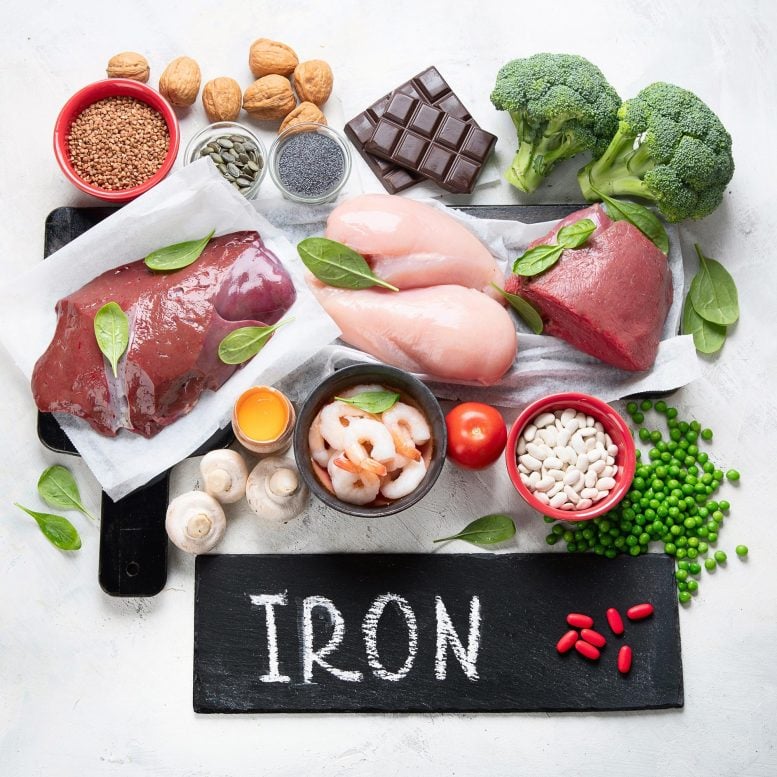
The bottom line: eating iron-rich foods is important for everyone, and many people don’t get enough iron as it is. But people with mental health conditions may specifically want to ask their doctor or other health provider to order a blood test that measures their iron levels in a particular way.
If the result on that test – called a ferritin test – is low, it’s important to increase iron in the diet, and to take iron supplements if a health care provider recommends them.
“Iron is the most common nutrient deficiency and can have a big impact,” said Levin. “You can be iron-deficient without having anemia, but many mental health care providers aren’t aware that iron deficiency by itself has been linked to worse symptoms, or that supplementation has been linked to improved symptoms. But there is evidence there.”
Primary care providers may also not order tests of iron levels unless someone has symptoms of anemia, or a health condition or medical treatment that’s known to affect the body’s iron levels, she notes.
“We don’t always go looking for nutrient deficiencies, but they can really take a large toll on well-being,” said Levin, who also emphasizes that nutrients’ roles in mental health complement growing knowledge about the importance of stress, sleep habits, and physical activity.
So, she encourages people who have a diagnosis of a mental health condition to talk with their healthcare team about getting tested and potentially taking supplements.
Iron’s Role in Brain Chemistry
In addition to its well-known role in helping red blood cells perform the critical function of ferrying oxygen around the body, iron helps your body make the molecules that are needed to make key brain chemicals.
Specifically, iron plays an important role in how your body makes the neurotransmitters called serotonin, dopamine and norepinephrine – all of them important in mental health.
Research suggests a connection between low iron levels and symptoms of depression, anxiety, and schizophrenia, Levin and Gattari write.
This includes surveys of large numbers of people that showed a higher percentage of people with depression also reported having a history of iron deficiency anemia, and a large study that showed higher rates of anxiety disorders, depression, sleep disorders, and psychotic disorders in patients with iron deficiency anemia. Smaller studies in people experiencing their first episode of psychosis also suggest a link between how severe their symptoms were and lower iron levels.
Low iron levels are also known to be associated with fatigue, which is one of the symptoms that can combine with others to qualify someone for a diagnosis of depression.
Iron Supplementation and Mental Health Improvements
In addition to studies that have looked at the relationship between iron levels and symptoms, other studies have evaluated what happens when people with mental health conditions receive iron supplements.
A review of the evidence in 2013 showed iron supplementation was associated with improvement in mental health symptoms in three studies published before that year, and others showed improvements in thinking ability.
Multiple studies in people with and without mental health diagnoses have shown improvements in mood and fatigue after iron supplementation, even if they didn’t meet the criteria for iron-deficiency anemia. One study showed improvement in half of those whose ferritin was below 100 nanograms/milliliter, which is above the level of 30 ng/ml often used to define iron deficiency.
Ferritin levels are important to measure because they’re an indicator of the body’s overall iron stores – the ferritin molecule keeps iron stored within a coating of protein so it can be accessed when the body needs it. Blood tests for iron only measure iron levels in the blood, and blood tests for hemoglobin only measure the amount of iron-containing protein molecules in the blood which transport oxygen to the body.
High-Risk Groups for Iron Deficiency
Levin especially recommends ferritin testing for people who have both mental health conditions and another factor that makes them highly susceptible to low iron levels. That includes pregnant women, young children, women with heavy menstrual bleeding, frequent blood donors, patients with cancer, individuals who have had gastrointestinal surgeries or have digestive disorders, and those with heart failure.
For anyone with mental health symptoms whose ferritin levels have tested low, there isn’t yet a consensus on the optimum level to aim for through diet changes and supplementation, nor how often they should get tested after making changes. There also isn’t yet evidence about the impacts of low iron or iron supplementation on people with other mental health diagnoses beyond the ones mentioned above.
In general, Levin says, it may be better to aim toward a ferritin level of 100 ng/ml and to get tests every 4 to 6 weeks.
It’s also important that your primary care provider is aware of any supplements you’re taking, even if it was recommended by a mental health provider or if you started taking it on your own.
There’s a risk of overdoing it on iron supplementation, Levin cautions, so it’s important to read the label on the supplement and to choose a brand that has been tested by an independent organization.
If there are toddlers or young children in the home or visiting, it’s also important to keep iron supplements out of reach, as they can cause serious and even fatal poisoning if taken by a very young child.
But in general, she said, “Iron supplements are inexpensive and can really make a significant impact in someone’s mental health if they’re deficient.”
Reference: “Iron deficiency in psychiatric patients” by Stephanie Weinberg Levin, MD and Theresa B. Gattari, MD, 1 March 2023, Current Psychiatry.
DOI: 10.12788/cp.0337
Never miss a breakthrough: Join the SciTechDaily newsletter.
Follow us on Google and Google News.