
Close Menu
    Facebook X (Twitter) Instagram
    SciTechDaily
    • Biology
    • Chemistry
    • Earth
    • Health
    • Physics
    • Science
    • Space
    • Technology
    Facebook X (Twitter) Pinterest YouTube RSS
    SciTechDaily
    Home»Biology»Keeping Up Appearances: Male Fairy-Wrens Show That Looks Can Be Deceiving
    Biology

    Keeping Up Appearances: Male Fairy-Wrens Show That Looks Can Be Deceiving

    By Monash UniversityDecember 22, 2020No Comments3 Mins Read
    Facebook Twitter Pinterest Telegram LinkedIn WhatsApp Email Reddit
    Share
    Facebook Twitter LinkedIn Pinterest Telegram Email Reddit
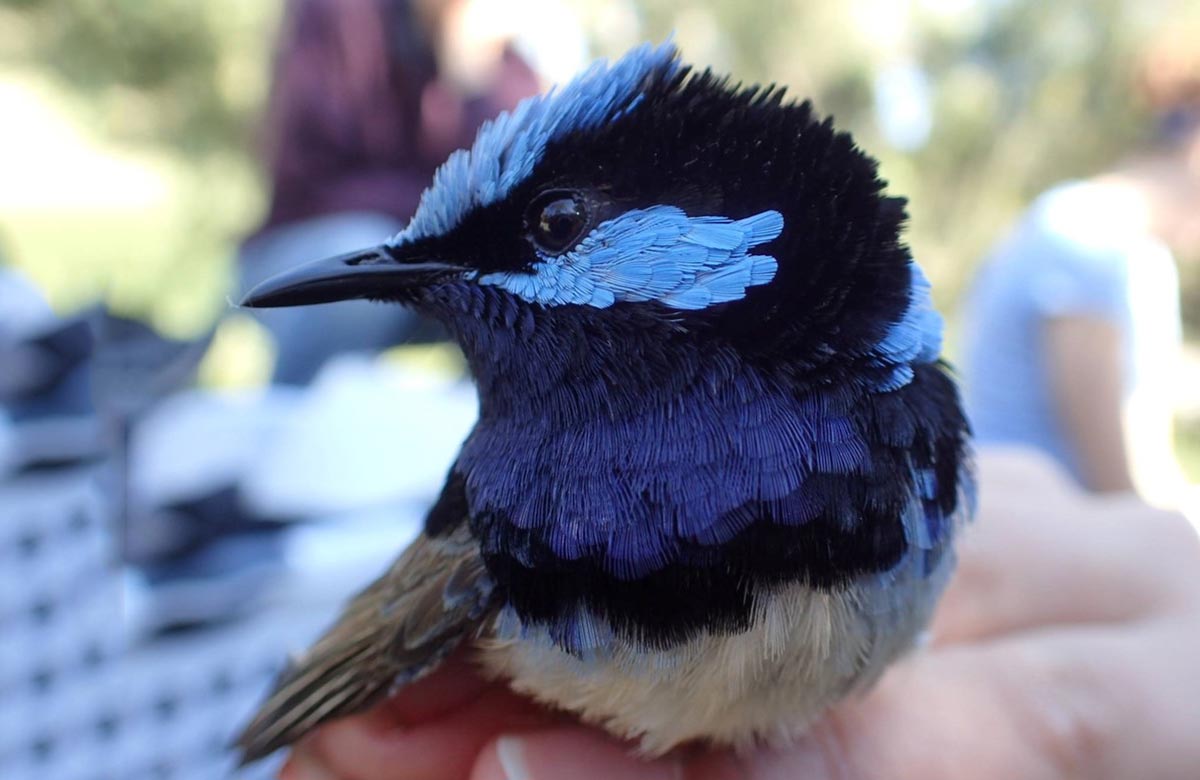
    Superb Fairy Wren Close Up
    The researchers found that all male superb fairy-wrens produced and maintained vibrant colors, regardless of their ‘natural quality.’ Credit: Alex McQueen

    In many animals, female preference for males with the most elaborate appearance is an important factor in the evolution of bright and dramatic colors.

    Females are thought to prefer colorful males because only ‘high-quality’ males — those with the most resources, superior foraging skills or social status — can produce and maintain the most vibrant colors.

    By choosing these high-quality males, females may ensure a good father or good genes for their offspring.

    But do high quality males that are preferred by females invest more in their appearance?

    A new study by Monash University ornithologists suggests, not necessarily.

    Superb Fairy Wren
    Every year male superb fairy-wrens change color by molting from a brown non-breeding plumage to an ultraviolet blue and black breeding plumage.

    Led by PhD graduate Dr. Alex McQueen, from the Monash University School of Biological Sciences the study published in Behavioural Ecology examined whether conspicuous colors of superb fairy-wrens signal male quality.

    “We examined whether only the best quality males with excellent resources can produce the most vibrant colors and whether only the best quality males can maintain their colors in pristine condition,” said Alex. “We also tested this in an experiment, by administering testosterone to some males which caused them to produce breeding colors in winter.”

    “Surprisingly, we found that all male superb fairy-wrens produced and maintained vibrant colors, regardless of their ‘natural quality.’ Also, the males that had to produce breeding colors in challenging winter conditions displayed vibrant colors that were indistinguishable from other males,” she said.

    Every year male superb fairy-wrens change color by molting from a brown non-breeding plumage to an ultraviolet blue and black breeding plumage.

    While they are in their breeding plumage, males flaunt their colors to females by performing elaborate sexual displays.

    “We predicted that maintaining their colors would be especially important in this species for two reasons: first, males that are preferred by females produce their breeding plumage earlier than all other males, many months before the start of breeding, meaning that those early males display their breeding colors for the longest time each year; and second, ultraviolet blue feathers have been shown to readily fade over time in other birds,” said Alex.

    The research team measured the colors of the same, wild male fairy-wrens several times a year.

    And they recorded how much time males spent preening when they were in their brown non-breeding plumage and colorful breeding plumage.

    “We were very surprised to find that male breeding colors do not fade with time,” said Alex.

    “Despite keeping their colors in pristine condition, males did not spend more time preening while in breeding plumage,” she said. The research team found that instead males ‘retouched’ their breeding colors by replacing a few blue feathers at a time throughout the breeding season.

    “Our study shows that the vibrant breeding colors of male superb fairy-wrens are unlikely to signal male quality to females,” said Alex. “We also found that males are careful to keep their feather colors in excellent condition for sexual displays.”

    Reference: “Male fairy-wrens produce and maintain vibrant breeding colors irrespective of individual quality” by Alexandra McQueen, Kaspar Delhey, Flavia R Barzan, Annalise C Naimo and Anne Peters, 22 December 2020, Behavioral Ecology.
    DOI: 10.1093/beheco/araa128

    Never miss a breakthrough: Join the SciTechDaily newsletter.
    Follow us on Google and Google News.

    Birds Monash University Ornithology
    Share. Facebook Twitter Pinterest LinkedIn Email Reddit

    Related Articles

    Birds Can Thrive in Urban Environments With Either Big Brains or Frequent Breeding

    Scientists Make Birds Watch TV – Here’s What They Learned

    New Changes in Bird Migration Discovered After Examining 50 Years of Data

    Scientists Identified a New Bird Species: It Looks Identical to Another With Very Different Genes

    How Flight Feathers Evolved: Study of Chickens, Ostriches, Penguins, Ducks and Eagles

    Record Shattered for Loudest Bird Call Ever Measured by White Bellbirds in Amazon [Video]

    GPS Tracking Reveals Rare ‘Itinerant Breeding’ Behavior in California Bird

    Urban Birds Use Cigarette Butts to Get Rid of Pests

    Transgendered Bellbird Discovered in New Zealand

    Leave A Reply Cancel Reply

    • Facebook
    • Twitter
    • Pinterest
    • YouTube

    Don't Miss a Discovery

    Subscribe for the Latest in Science & Tech!

    Trending News

    The Universe Is Expanding Too Fast and Scientists Can’t Explain Why

    “Like Liquid Metal”: Scientists Create Strange Shape-Shifting Material

    Early Warning Signals of Esophageal Cancer May Be Hiding in Plain Sight

    Common Blood Pressure Drug Shows Surprising Power Against Deadly Antibiotic-Resistant Superbug

    Scientists Uncover Dangerous Connection Between Serotonin and Heart Valve Disease

    Scientists Discover a “Protector” Protein That Could Help Reverse Hair Loss

    Bone-Strengthening Discovery Could Reverse Osteoporosis

    Scientists Uncover Hidden Trigger Behind Stem Cell Aging

    Follow SciTechDaily
    • Facebook
    • Twitter
    • YouTube
    • Pinterest
    • Newsletter
    • RSS
    SciTech News
    • Biology News
    • Chemistry News
    • Earth News
    • Health News
    • Physics News
    • Science News
    • Space News
    • Technology News
    Recent Posts
    • Scientists Stunned After Finding Plant Thought Extinct for 60 Years
    • A Common Diabetes Drug May Hold the Key to Stopping HIV From Coming Back
    • Ancient “Syphilis-Like” Disease in Vietnam Challenges Key Scientific Assumptions
    • Drinking Alcohol To Cope in Your 20s Could Damage Your Brain for Life
    • Scientists Crack Alfalfa’s Chromosome Mystery After Decades of Debate
    Copyright © 1998 - 2026 SciTechDaily. All Rights Reserved.
    • Science News
    • About
    • Contact
    • Editorial Board
    • Privacy Policy
    • Terms of Use

    Type above and press Enter to search. Press Esc to cancel.