
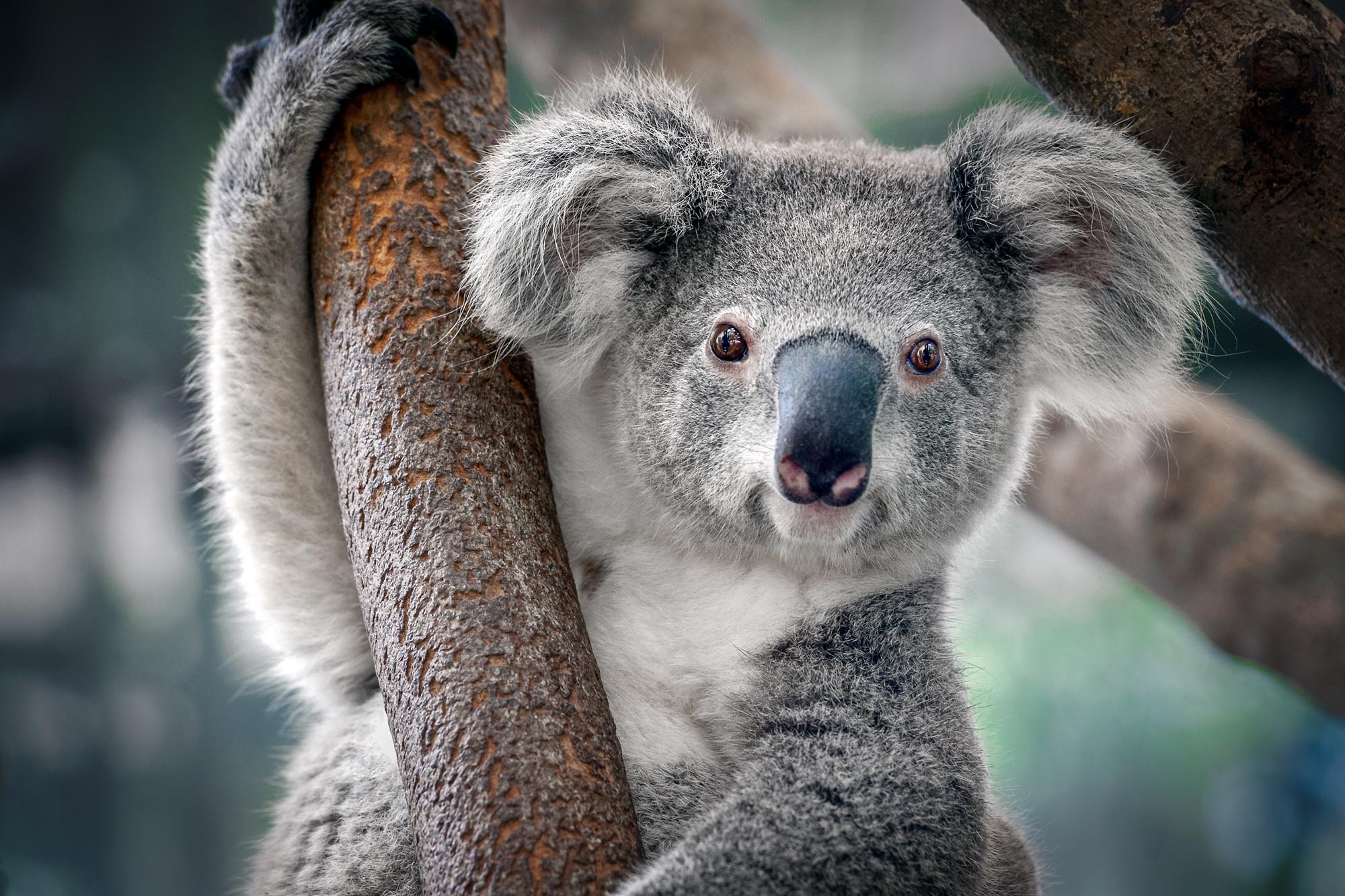
Koalas’ population comeback may be doing more than boosting numbers—it could also be rebuilding their lost genetic diversity.
A new genomic study of koalas across Australia suggests that rapid population recovery may help restore genetic diversity that was lost during past declines. Researchers found that when populations grow quickly after a crash, genetic variation can begin to rebound. This process may also increase recombination, a biological mechanism that reshuffles DNA and creates new genetic combinations. Together, these changes could help previously bottlenecked populations regain the evolutionary potential needed to adapt and survive over the long term.
Population bottlenecks occur when a species experiences a sharp drop in numbers. These events can push species toward evolutionary dead ends because they drastically reduce genetic diversity and increase inbreeding. As genetic variation disappears, fertility can decline, survival rates may fall, and populations become less able to cope with environmental changes. Over time, these pressures can trigger what scientists call an “extinction vortex,” where shrinking populations and worsening genetic health reinforce each other and dramatically increase the risk of extinction.
Rapid Population Growth Can Help Reverse Genetic Damage
Despite these risks, the genetic consequences of a bottleneck are not always permanent. When a species rebounds quickly, expanding population size can help restore some lost genetic diversity. Theory suggests that larger populations allow genes to reshuffle more frequently and create new combinations. Even when recovery begins with relatively small founding groups, growing numbers can promote recombination and the appearance of new mutations. These processes can partially counteract the loss of genetic variation and reduce the harmful effects of inbreeding.
Because of this, rapid population expansion may serve as an important buffer against the genetic problems typically associated with severe population declines.
Koalas Provide a Real World Genetic Recovery Test
To investigate this idea, Collin Ahrens and colleagues examined the dramatic decline and subsequent recovery of koalas as a natural experiment. Historically, koala populations were heavily reduced, leading to a severe genetic bottleneck. However, many populations later rebounded.
The researchers analyzed whole-genome data from 418 koalas representing 27 populations across Australia. Their results show that although koalas still have relatively low genetic diversity due to their past decline, there are clear signs that genetic recovery is underway.
Recombination May Be Rebuilding Koala Genetic Diversity
The study suggests that part of this recovery may be driven by recombination, the process that mixes existing DNA into new genetic combinations. As koala populations grow, recombination can generate new combinations of genes that help restore functional genetic diversity.
Overall, the findings indicate that rapid population growth can sometimes help species recover from the genetic damage caused by population bottlenecks. This insight could be important for conservation planning, suggesting that supporting rapid population recovery may help restore the long term genetic health of threatened species.
Reference: “Escaping bottlenecks: The demographic path to genetic recovery in koalas (Phascolarctos cinereus)” by Collin W. Ahrens, Adam D. Miller, Luke W. Silver, Elspeth A. McLennan, Carolyn J. Hogg and Andrew R. Weeks, 5 March 2026, Science.
DOI: 10.1126/science.adz1430
Never miss a breakthrough: Join the SciTechDaily newsletter.
Follow us on Google and Google News.