
Close Menu
    Facebook X (Twitter) Instagram
    SciTechDaily
    • Biology
    • Chemistry
    • Earth
    • Health
    • Physics
    • Science
    • Space
    • Technology
    Facebook X (Twitter) Pinterest YouTube RSS
    SciTechDaily
    Home»Science»Longstanding Paleontology Mystery Solved – Revolutionary Fossil Find in Morocco Unveils Origins of Spiders and Scorpions
    Science

    Longstanding Paleontology Mystery Solved – Revolutionary Fossil Find in Morocco Unveils Origins of Spiders and Scorpions

    By University of LausanneMay 15, 2024No Comments4 Mins Read
    Facebook Twitter Pinterest Telegram LinkedIn WhatsApp Email Reddit
    Share
    Facebook Twitter LinkedIn Pinterest Telegram Email Reddit
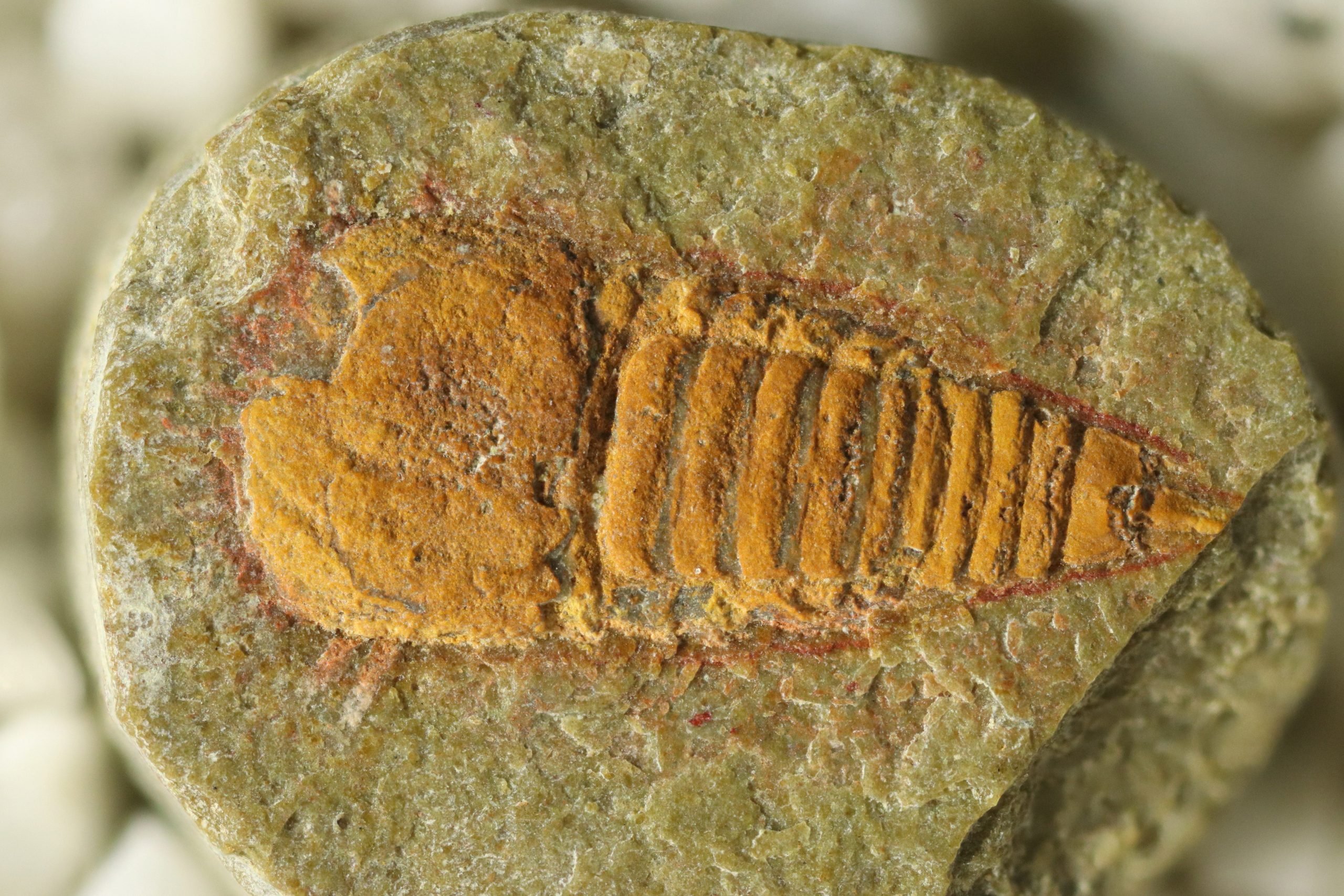
    Setapedites abundantis Fossil
    Scientists have discovered a key fossil that links modern chelicerates like scorpions and spiders to their ancient Cambrian ancestors, clarifying a significant gap in the evolutionary history of these species. One of the Setapedites abundantis fossils that have been used to trace the origins of spiders, scorpions, and horseshoe crabs. Credit: UNIL

    A PhD student at the University of Lausanne in Switzerland, with the support of a CNRS researcher, has discovered a fossil that bridges the evolutionary gap between contemporary species like scorpions, spiders, and horseshoe crabs, and their ancient counterparts from the Cambrian period, around 505 million years ago. This finding resolves a longstanding mystery in paleontology.

    Modern scorpions, spiders, and horseshoe crabs belong to the vast lineage of arthropods, which appeared on Earth nearly 540 million years ago. More precisely, they belong to a subphylum that includes organisms equipped with pincers used notably for biting, grasping prey, or injecting venom – the chelicerae, hence their name chelicerates. But what are the ancestors of this very specific group?
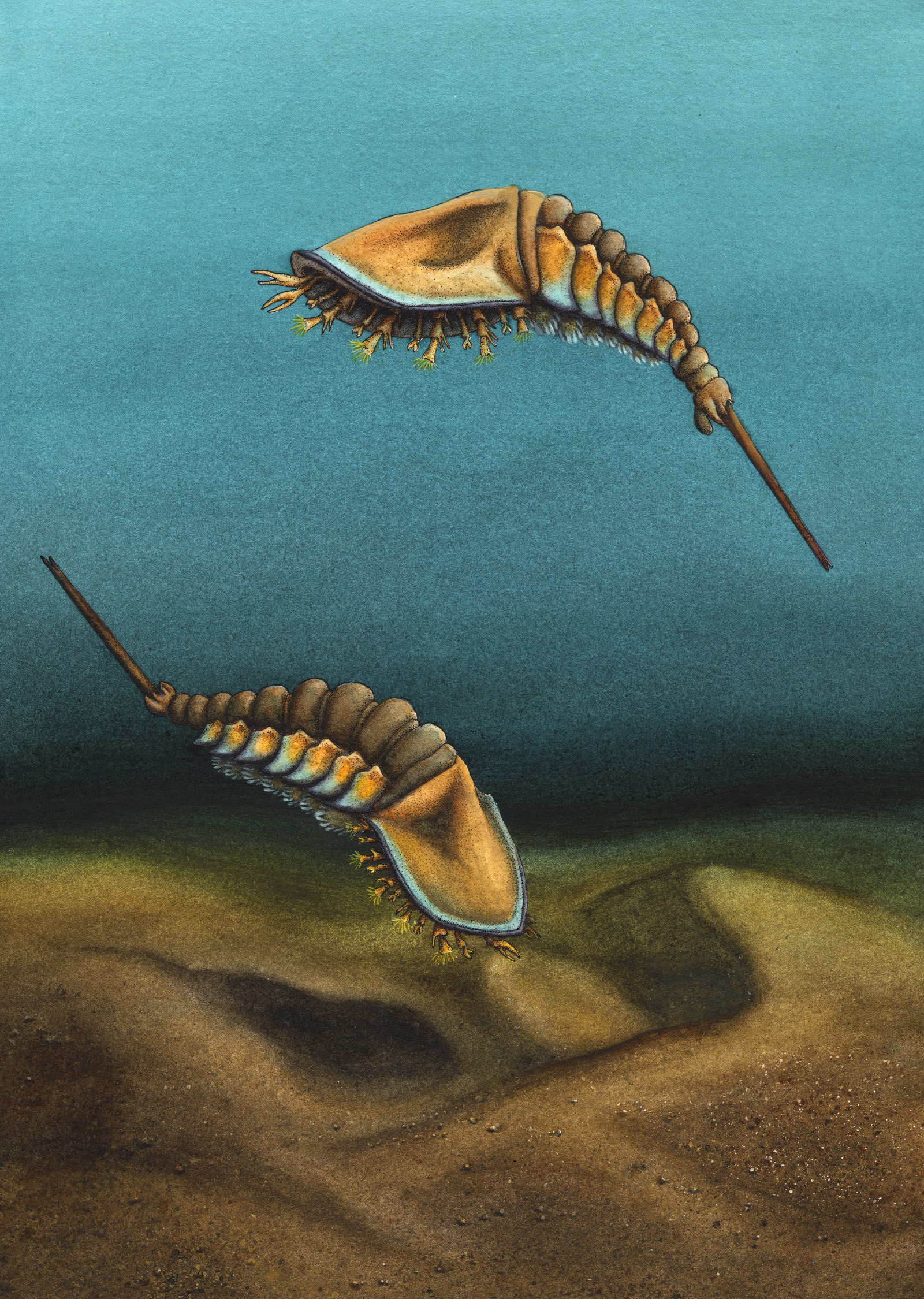
    Reconstruction of Setapedites abundantis
    Reconstruction of Setapedites abundantis. Credit: Elissa Sorojsrisom

    This question has puzzled paleontologists ever since the study of ancient fossils began. It was impossible to identify with certainty any forms among early arthropods that shared enough similarities with modern species to be considered ancestors. The mystery was further compounded by the lack of fossils available for the key period between -505 and -430 million years ago, which would have facilitated genealogical investigation.

    Lorenzo Lustri, then a PhD student at the University of Lausanne (UNIL)’s Faculty of Geosciences and Environment, provided the missing piece of the puzzle. Together with his supervisors, he studied a hundred fossils dating back 478 million years from the Fezouata Shale of Morocco and identified the candidate that links modern organisms to those of the Cambrian (505 million years ago). The study was published in Nature Communications.
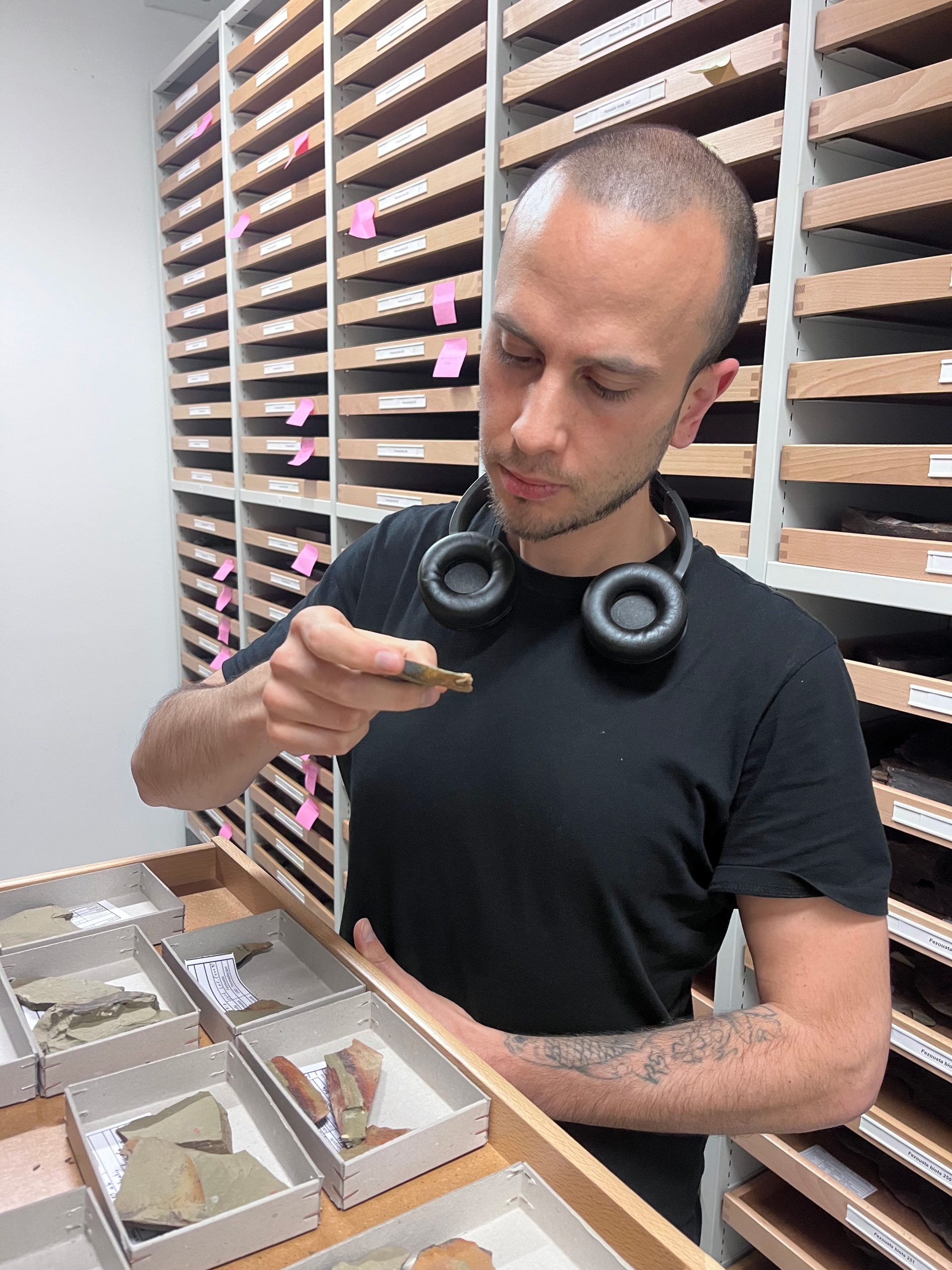
    Lorenzo Lustri
    Lorenzo Lustri looking at the University of Lausanne’s collections. Credit: UNIL

    A Breakthrough in Evolutionary Biology

    Fossils from the Fezouata Shale were discovered in the early 2000s and have undergone extensive analysis. However, the fossil illustrated in the publication, one of the most abundant in the deposit, had never been described before. Measuring between 5 and 10 millimeters in size, it has been named Setapedites abundantis. This animal makes it possible, for the first time, to trace the entire lineage of chelicerates, from the appearance of the earliest arthropods to modern spiders, scorpions and horseshoe crabs.
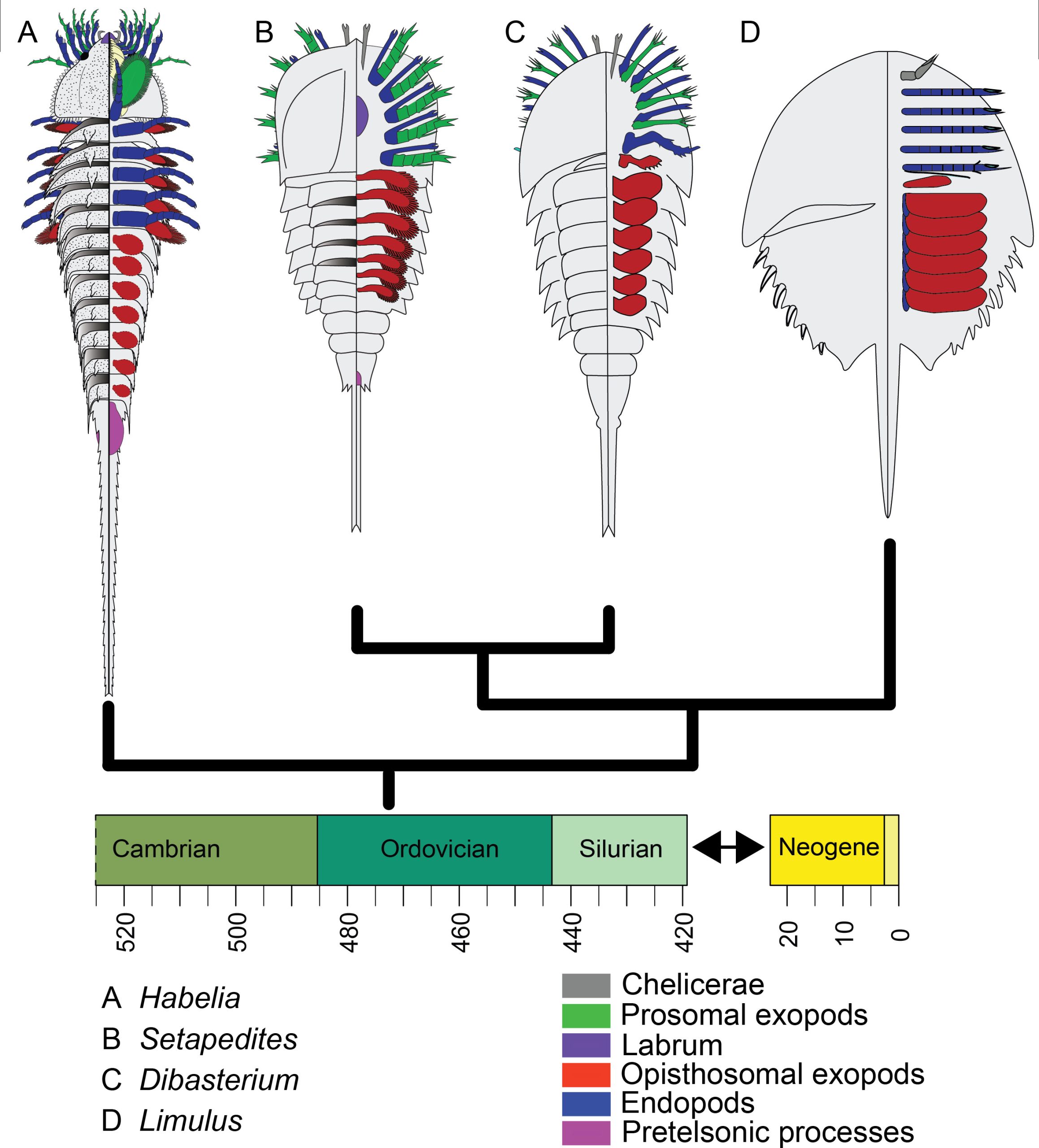
    Scorpions, Spiders and Horseshoe Crabs Fossil Graphics
    A fossil fills the gap between scorpions, spiders, and horseshoe crabs, and species from the Cambrian period (505 million years ago). Credit: UNIL

    “Initially, we only intended to describe and name this fossil. We had absolutely no idea that it would hold so many secrets,” confides Lorenzo Lustri, the paper’s first author, who defended his PhD in March 2023. “It was therefore an exhilarating surprise to realize, after careful observations and analysis, that it also filled an important gap in the evolutionary tree of life.”

    Still, the fossil has yet to reveal all its secrets. In fact, some of its anatomical features allow for a deeper understanding of the early evolution of the chelicerate group, and perhaps even link to this group other fossil forms whose affinities remain highly debated.

    A temporary exhibition on the Fezouata biota, in collaboration with UNIL, will soon be held at the Palais de Rumine in Lausanne, Switzerland.
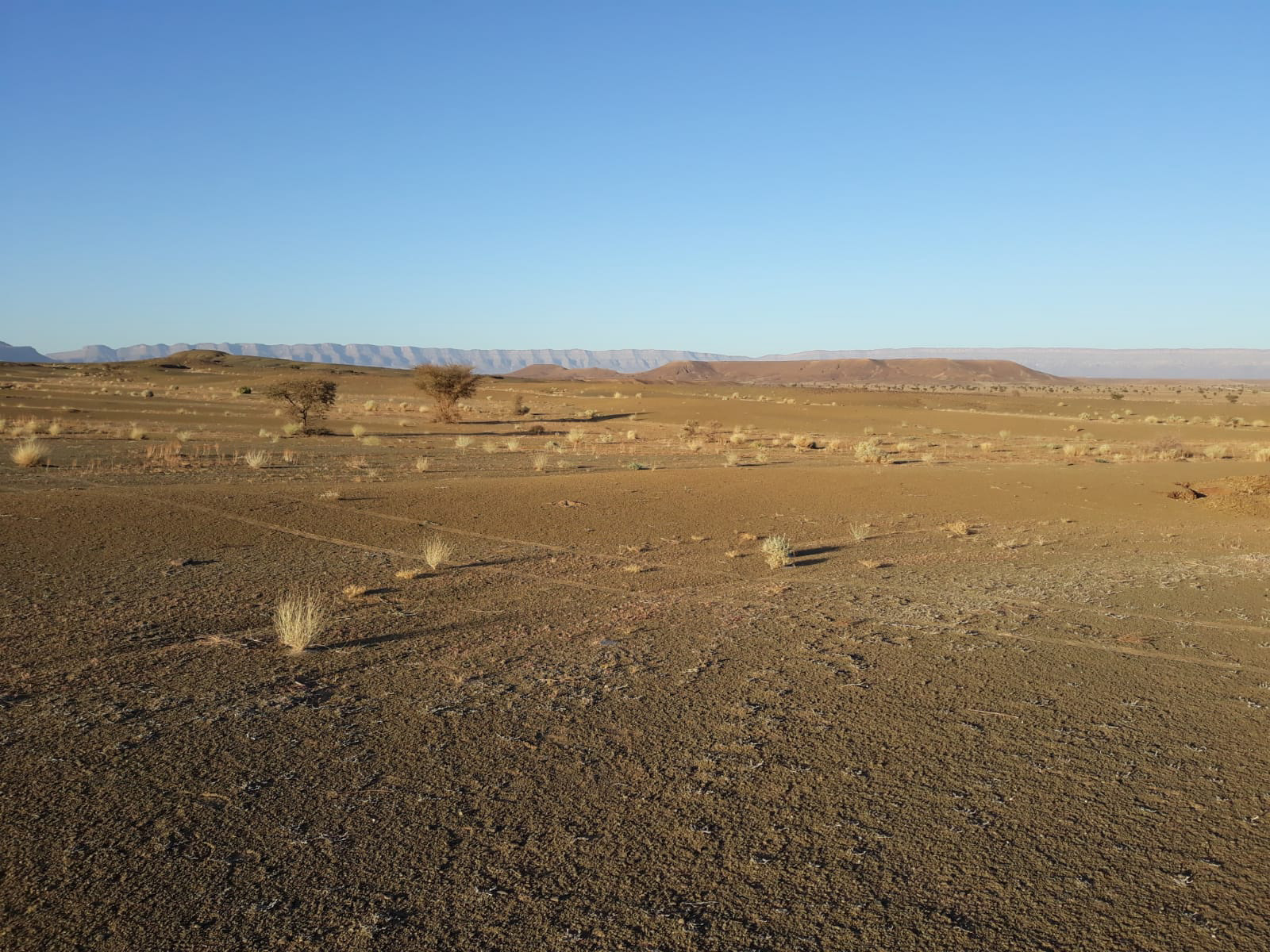
    Fezouata Landscape
    Fezouata landscape, where the fossils were found. Credit: UNIL

    Method

    To obtain these results, the scientists studied a hundred fossils and used an X-ray scanner to reconstruct their anatomy in detail and in 3D. They were then able to draw comparisons with numerous fossil chelicerates from other sites, as well as with their more ancient relatives. Finally, the importance of the Fezouata fossil became clear with the help of phylogenetic analyses, which mathematically reconstruct the family tree of different species based on the “coding” of all their anatomical traits.

    Reference: “Lower Ordovician synziphosurine reveals early euchelicerate diversity and evolution” by Lorenzo Lustri, Pierre Gueriau and Allison C. Daley, 7 May 2024, Nature Communications.
    DOI: 10.1038/s41467-024-48013-w

    Never miss a breakthrough: Join the SciTechDaily newsletter.
    Follow us on Google and Google News.

    Arachnids Fossils Paleontology Popular Scorpions Spiders University of Lausanne
    Share. Facebook Twitter Pinterest LinkedIn Email Reddit

    Related Articles

    35-Million-Year-Old Mystery: Strange Arachnid Discovered Preserved in Amber

    This 500-Million-Year-Old Sea Creature Had a Brain Like a Spider

    “Unlike Any Other Arachnid Known” – Scientists Discover Bizarre 308-Million-Year-Old Creature With Spiny Legs

    France’s Groundbreaking Fossil Discovery Sheds Light on Ancient Climates

    Scientists Discover That Extremely Rare Collection of 160-Million-Year-Old Sea Spider Fossils Are Closely Related to Living Species

    Glowing Spider Fossils Prompt Breakthrough Research on Treasure Trove of Amazingly Well-Preserved Specimens

    Cretaceous Period Sankofa Pyrenaica Fossilized Eggs Are Unusually Shaped

    Microraptor Feathers Were Black With Iridescent Sheen

    Hundreds of Lost Fossils From the Darwin Collection Rediscovered by the British Geological Survey

    Leave A Reply Cancel Reply

    • Facebook
    • Twitter
    • Pinterest
    • YouTube

    Don't Miss a Discovery

    Subscribe for the Latest in Science & Tech!

    Trending News

    New Pill Lowers Stubborn Blood Pressure and Protects the Kidneys

    Humans May Have Hidden Regenerative Powers, New Study Suggests

    Scientists Just Solved the Mystery of Why Crabs Walk Sideways

    Doctors Are Surprised by What This Vaccine Is Doing to the Heart

    This Popular Supplement May Boost Your Brain, Not Just Your Muscles

    Scientists Say This Simple Supplement May Actually Reverse Heart Disease

    Warming Oceans Could Trigger a Dangerous Methane Surge

    This Simple Movement Could Be Secretly Cleaning Your Brain

    Follow SciTechDaily
    • Facebook
    • Twitter
    • YouTube
    • Pinterest
    • Newsletter
    • RSS
    SciTech News
    • Biology News
    • Chemistry News
    • Earth News
    • Health News
    • Physics News
    • Science News
    • Space News
    • Technology News
    Recent Posts
    • Your Blood Pressure Reading Could Be Wrong Because of One Simple Mistake
    • Scientists Discover Cheap Material That Kills Deadly Superbugs
    • This Magnetic Field Trick Creates Entirely New Forms of Matter
    • Astronomers Stunned by Ancient Galaxy With No Spin
    • Physicists May Be on the Verge of Discovering “New Physics” at CERN
    Copyright © 1998 - 2026 SciTechDaily. All Rights Reserved.
    • Science News
    • About
    • Contact
    • Editorial Board
    • Privacy Policy
    • Terms of Use

    Type above and press Enter to search. Press Esc to cancel.