
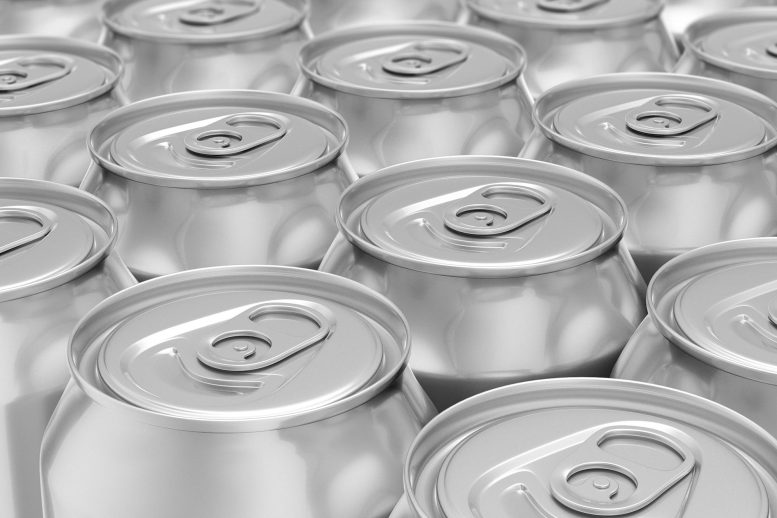
A synthetic aftertaste might not be the only side effect of switching to diet soda, especially if you’re trying to lose weight.
Drinks that contain the artificial sweetener sucralose may increase food cravings and appetite in woman and people who are obese, according to a new study led by researchers at the Keck School of Medicine of USC.
Just published in JAMA Network Open, the study is one of the largest to-date to examine the effects of an artificial sweetener, also called a nonnutritive sweetener (NNS), on brain activity and appetite responses in different segments of the population.
Artificial Sweeteners: A Controversial Topic
More than 40 percent of adults in the U.S. currently use NNSs as a calorie-free way to satisfy a sweet tooth, and, in some cases, accomplish weight loss goals. Despite their prevalence, the health consequences of artificial sweeteners are still highly debated, with no clear consensus on their effects on appetite, glucose metabolism, and body weight.
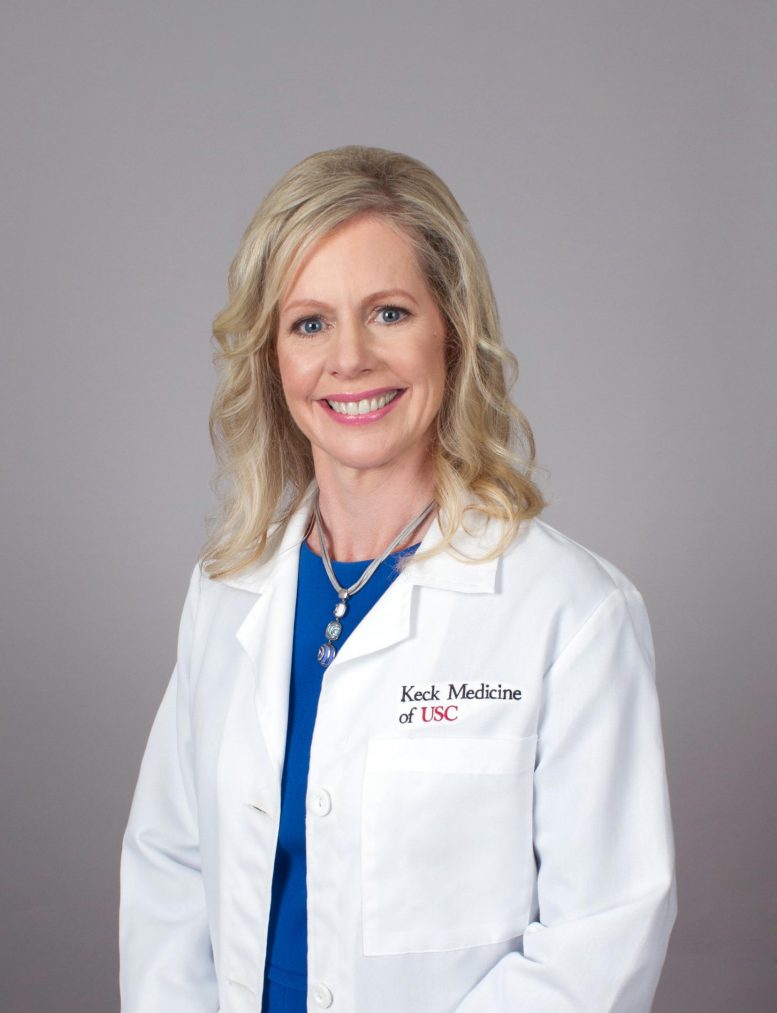
“There is controversy surrounding the use of artificial sweeteners because a lot of people are using them for weight loss,” said Kathleen Page, MD, the study’s corresponding author and an associate professor of medicine at the Keck School of Medicine. “While some studies suggest they may be helpful, others show they may be contributing to weight gain, type 2 diabetes, and other metabolic disorders. Our study looked at different population groups to tease out some of the reasons behind those conflicting results.”
To study the effects of NNSs, Page and her colleagues studied 74 participants who, during the course of three different visits, consumed 300 milliliters of a drink sweetened with sucrose (table sugar), a drink sweetened with the NNS sucralose or water as a control. In the two hours that followed, the researchers measured three things: activation of regions of the brain responsible for appetite and food cravings in response to pictures of high-calorie foods like a burger and donut using an imaging technique called functional magnetic resonance imaging (fMRI); levels of glucose (blood sugar), insulin, and other metabolic hormones in the blood; and the amount of food consumed at a snack buffet provided at the end of each session. The study group comprised an equal number of males and females who were identified as healthy weight, overweight, or obese, allowing researchers to explore potential differences between population groups.
Artificial Sweeteners May Make Certain People Feel More Hungry
Imaging studies showed increased activity in regions of the brain responsible for food cravings and appetite in both women and people who were obese after they consumed sucralose-containing drinks when compared to drinks containing real sugar.
The study also showed an across-the-board decrease in levels of hormones that tell the body ‘I feel full’ after participants drank the sucralose-containing drink compared to the sucrose-containing drink, suggesting artificially sweetened beverages may not be effective in suppressing hunger.
Finally, after female participants drank the sucralose-containing drink they ate more at the snack buffet than after they drank the sucrose-containing drink, whereas snack food intake did not differ for male participants. Page recommended interpreting these finding with caution, since all participants fasted overnight before the study and were likely more hungry than usual.
“Our study starts to provide context for the mixed results from previous studies when it comes to the neural and behavioral effects of artificial sweeteners,” Page said. “By studying different groups we were able to show that females and people with obesity may be more sensitive to artificial sweeteners. For these groups, drinking artificially sweetened drinks may trick the brain into feeling hungry, which may in turn result in more calories being consumed.”
Reference: “Obesity and Sex-Related Associations With Differential Effects of Sucralose vs Sucrose on Appetite and Reward Processing: A Randomized Crossover Trial” by Alexandra G. Yunker, BA; Jasmin M. Alves, PhD; Shan Luo, PhD; Brendan Angelo, MS; Alexis DeFendis, BA; Trevor A. Pickering, PhD; John R. Monterosso, PhD and Kathleen A. Page, MD, 28 September 2021, JAMA Network Open.
DOI: 10.1001/jamanetworkopen.2021.26313
Additional authors of the study include Alexandra Yunker, BA, Jasmin Alves, PhD, Brendan Angelo, MS, Alexis DeFendis, BA, and Trevor Pickering, PhD from the Keck School of Medicine of USC; and Shan Luo, PhD, and John Monterosso, PhD from the Department of Psychology, USC Dornsife.
This work was funded in part by a grant from the National Institutes of Health (NIH) National Institute of Diabetes and Digestive and Kidney Diseases (R01DK102794) and the Southern California Clinical and Translational Science Institute through the NIH grant UL1TR001855.
Never miss a breakthrough: Join the SciTechDaily newsletter.
Follow us on Google and Google News.