
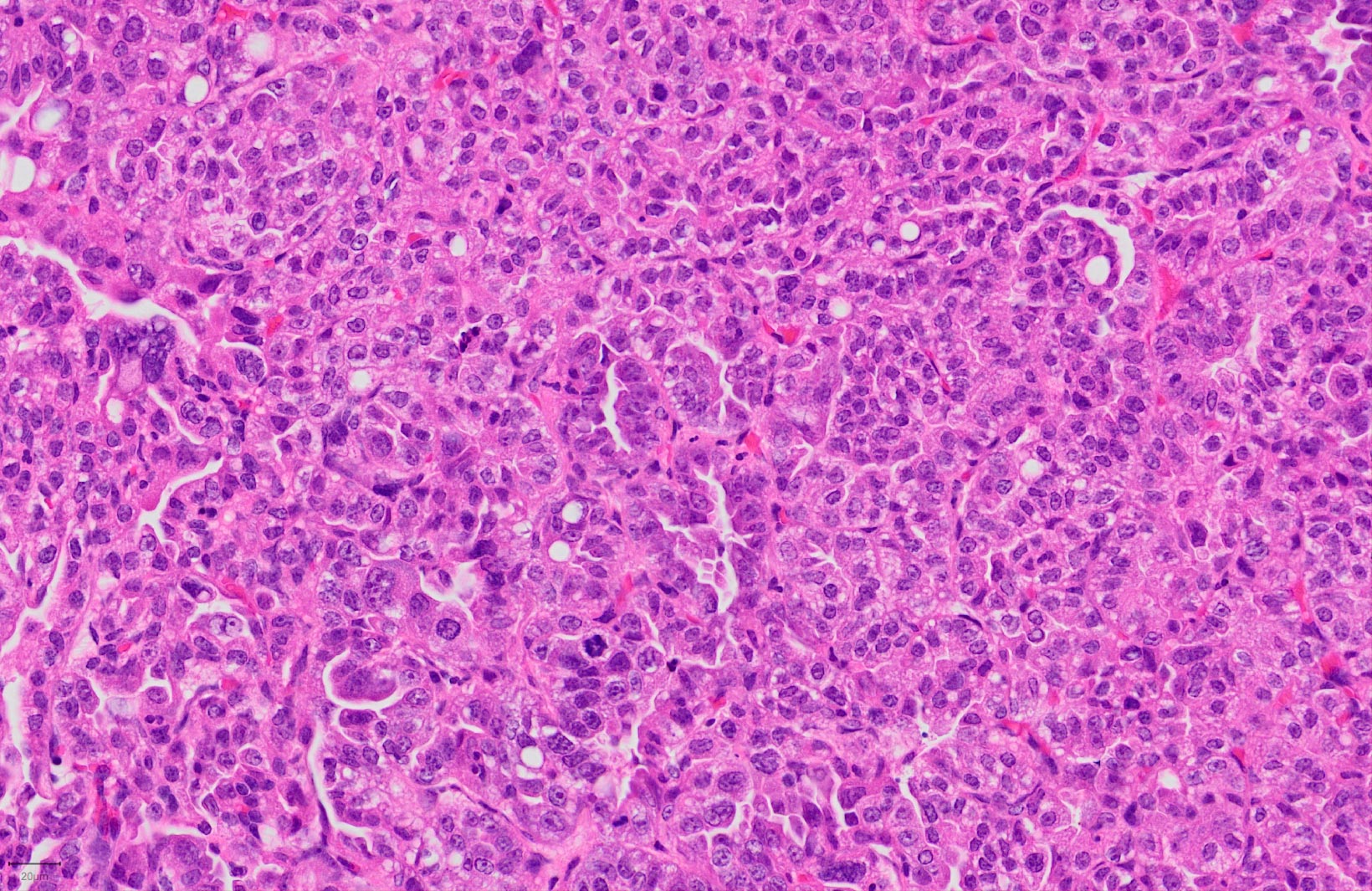
Neutrophils in lung tumors consume glucose more efficiently due to higher Glut1 levels, prolonging their lifespan and supporting tumor growth. Disabling Glut1 in these cells slowed tumor development and improved radiotherapy effectiveness.
Cancers are not only made of tumor cells. In fact, as they grow, they develop an entire cellular ecosystem within and around them. This “tumor microenvironment” is made up of multiple cell types, including cells of the immune system, like T lymphocytes and neutrophils.
The tumor microenvironment has predictably drawn a lot of interest from cancer researchers, who are constantly searching for potential therapeutic targets. When it comes to the immune cells, most research focuses on T lymphocytes, which have become primary targets of cancer immunotherapy — a cancer therapy that turns the patient’s own immune system against the tumor.
But there is another type of immune cell in the tumor microenvironment whose importance in cancer development has been overlooked: neutrophils, which form part of the body’s immediate or “innate” immune response to microbes. The question, currently debated among scientists, is whether neutrophils help or inhibit the tumor’s growth.
New Study Links Neutrophil Metabolism to Tumor Support
Now, a team of researchers led by Etienne Meylan at EPFL’s School of Life Sciences has discovered that the metabolism of neutrophils determines their tumor-supportive behavior in lung cancer development. The study is published in Cancer Research, a journal of the American Association for Cancer Research.
What intrigued the scientists was that cell metabolism in cancer becomes deregulated. Being neutrophil specialists, they considered the possibility that when these cells reside within the tumor microenvironment, their metabolism may also change, and that could affect how they contribute to the cancer’s growth.

Focusing on glucose metabolism in a genetically engineered mouse model of lung adenocarcinoma, the scientists isolated tumor-associated neutrophils (TANs) and compared them to neutrophils from healthy lungs.
What they found was surprising: the TANs take-up and metabolize glucose much more efficiently than neutrophils from healthy lungs. The researchers also found that TANs express a higher amount of a protein called Glut1, which sits on the cell’s surface and enables increased glucose uptake and use.
Removing Glut1 Shortens Neutrophil Lifespan in Tumors
To understand the importance of Glut1 in neutrophils during lung tumor development in vivo, we used a sophisticated system to remove Glut1 specifically from neutrophils,” says Pierre-Benoit Ancey, the study’s first author. “Using this approach, we identified that Glut1 is essential to prolong neutrophil lifespan in tumors; in the absence of Glut1, we found younger TANs in the microenvironment.”
Using X-ray microtomography to monitor adenocarcinomas, the researchers found that removing Glut1 from TANs led to lower tumor growth rate but also increased the efficacy of radiotherapy, a common treatment for lung cancer. In other words, the ability of TANs to metabolize glucose efficiently seems to bestow the tumor with the ability to resist treatment — at least in lung cancer.
A New Therapeutic Avenue
The scientists think that, because Glut1 loss diminishes the lifespan of TANs, their “age” determines whether they play a pro- or anti-tumor role. “Usually, we don’t know how to target neutrophils, because they are so important in innate immunity,” says Etienne Meylan. “Our study shows that their altered metabolism in cancer could be a new Achilles heel to consider in future treatment strategies. Undoubtedly, we are only beginning to learn about these fascinating cells in cancer.”
Reference: “GLUT1 Expression in Tumor-Associated Neutrophils Promotes Lung Cancer Growth and Resistance to Radiotherapy” by Pierre-Benoit Ancey, Caroline Contat, Gael Boivin, Silvia Sabatino, Justine Pascual, Nadine Zangger, Jean Yannis Perentes, Solange Peters, E. Dale Abel, David G. Kirsch, Jeffrey C. Rathmell, Marie-Catherine Vozenin and Etienne Meylan, 22 March 2021, Cancer Research.
DOI: 10.1158/0008-5472.CAN-20-2870
Never miss a breakthrough: Join the SciTechDaily newsletter.
Follow us on Google and Google News.