
Close Menu
    Facebook X (Twitter) Instagram
    SciTechDaily
    • Biology
    • Chemistry
    • Earth
    • Health
    • Physics
    • Science
    • Space
    • Technology
    Facebook X (Twitter) Pinterest YouTube RSS
    SciTechDaily
    Home»Science»Massive Prehistoric Crocodile “Swamp King” Emerges From South East Queensland
    Science

    Massive Prehistoric Crocodile “Swamp King” Emerges From South East Queensland

    By University of QueenslandDecember 21, 20203 Comments3 Mins Read
    Facebook Twitter Pinterest Telegram LinkedIn WhatsApp Email Reddit
    Share
    Facebook Twitter LinkedIn Pinterest Telegram Email Reddit
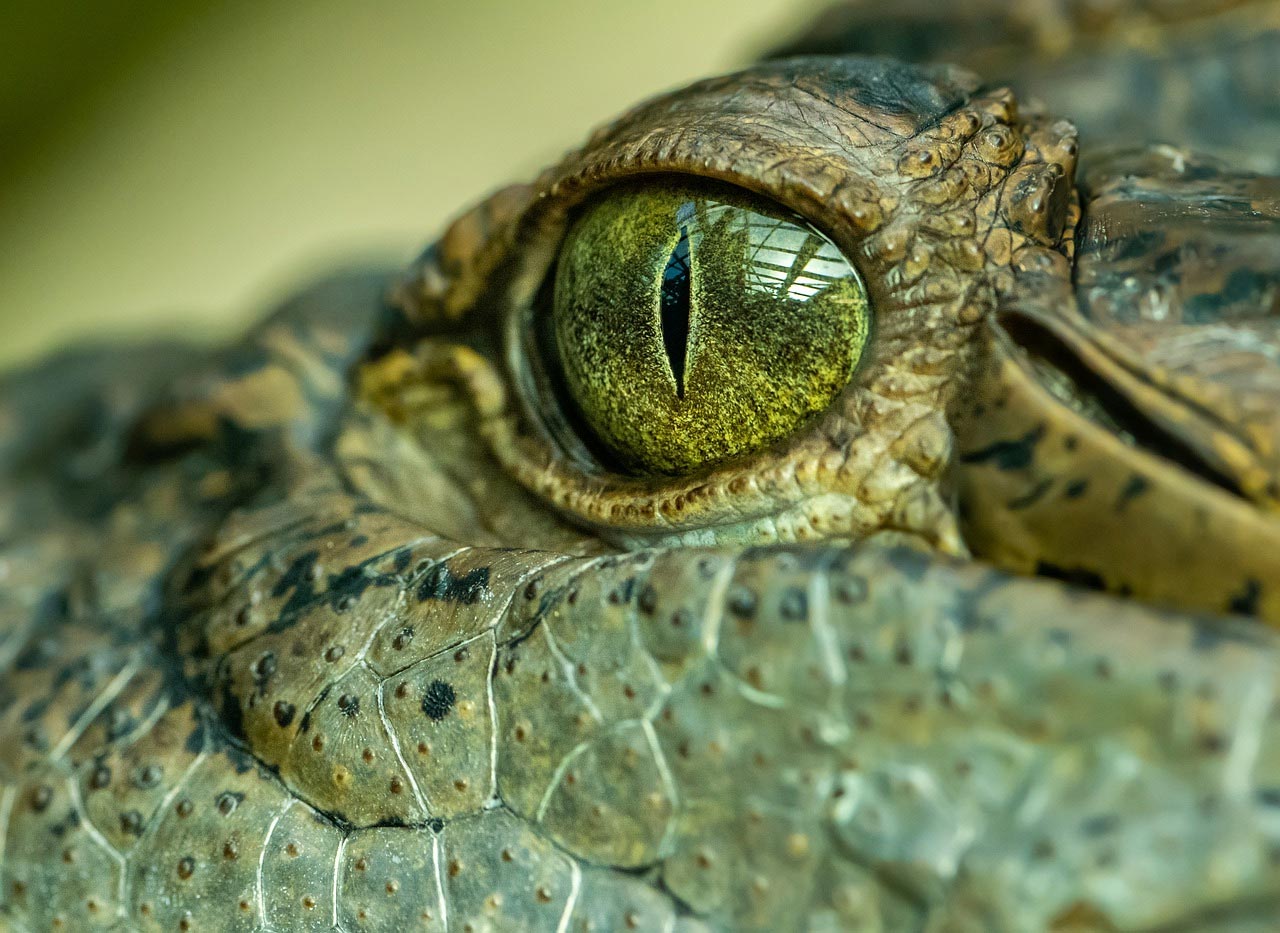
    Intimidating Croc
    The ‘swamp king’ was one intimidating croc. Credit: The University of Queensland

    A prehistoric croc measuring more than five meters long — dubbed the ‘swamp king’ — ruled south-eastern Queensland waterways only a few million years ago.

    University of Queensland researchers identified the new species of prehistoric croc — which they named Paludirex vincenti — from fossils first unearthed in the 1980s.

    UQ PhD candidate Jorgo Ristevski, from UQ’s School of Biological Sciences, said they named the species after Geoff Vincent who discovered the giant fossilized skull near the town of Chinchilla.

    “In Latin, ‘Paludirex’ means ‘swamp king’, and ‘vincenti’ honors the late Mr. Vincent,” he said.

    “For several years the fossilized skull was on display in the Queensland Museum, before it was donated to the Chinchilla Museum in 2011.

    “The ‘swamp king’ was one intimidating croc. Its fossilized skull measures around 65 centimeters, so we estimate Paludirex vincenti was at least five meters long.
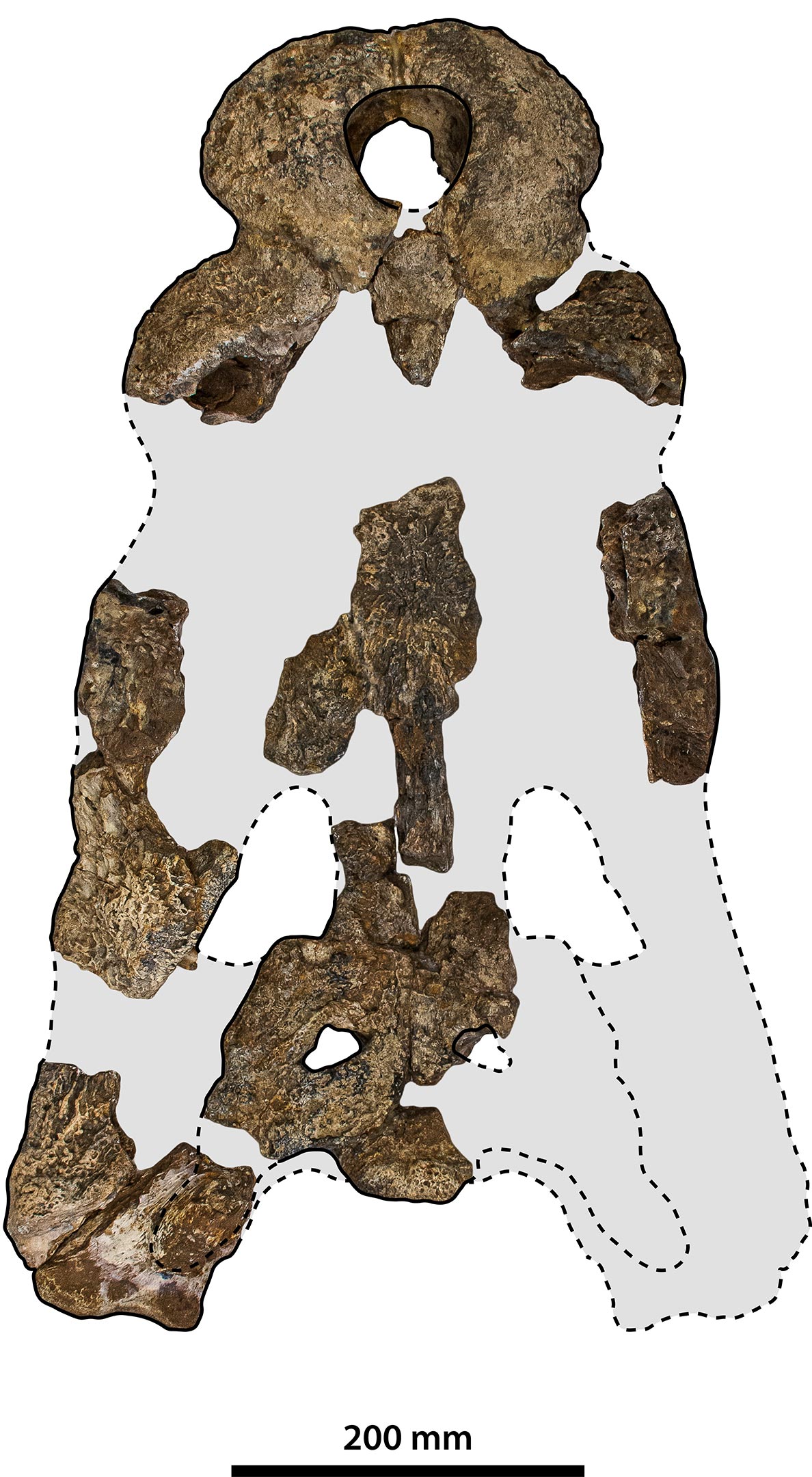
    Paludirex vincenti Skull Pieces
    Skull pieces of Paludirex vincenti. Credit: Jorgo Ristevski

    “The largest crocodylian today is the Indo-Pacific crocodile, Crocodylus porosus, which grows to about the same size. But Paludirex had a broader, more heavy-set skull so it would’ve resembled an Indo-Pacific crocodile on steroids.”

    Paludirex was one of the top predators in Australia a few million years ago, capable of preying on giant prehistoric marsupials.

    “The waterways of the Darling Downs would once have been a very dangerous place because of it,” Mr. Ristevski said.

    Mr. Ristevski’s supervisor, Dr. Steve Salisbury, said various species of prehistoric crocodylians had existed in Australia.

    “Crocs have been an important component of Australia’s fauna for millions of years,” Dr. Salisbury said.

    “But the two species we have today — Crocodylus porosus and Crocodylus johnstoni — are only recent arrivals, and were not part of the endemic croc fauna that existed here from about 55 million years ago.

    “Whether Paludirex vincenti went extinct as a result of competition with species like Crocodylus porosus is hard to say.

    “The alternative is that it went extinct as the climate dried, and the river systems it once inhabited contracted — we’re currently investigating both scenarios.”

    The research has been published in the open access journal PeerJ.

    Reference: “Australia’s prehistoric ‘swamp king’: revision of the Plio-Pleistocene crocodylian genus Pallimnarchus de Vis, 1886” by Jorgo Ristevski​, Adam M. Yates, Gilbert J. Price, Ralph E. Molnar, Vera Weisbecker and Steven W. Salisbury, 21 December 2020, PeerJ.
    DOI: 10.7717/peerj.10466

    Never miss a breakthrough: Join the SciTechDaily newsletter.
    Follow us on Google and Google News.

    University of Queensland
    Share. Facebook Twitter Pinterest LinkedIn Email Reddit

    Related Articles

    This Giant Dinosaur Walked in Circles 150 Million Years Ago – Scientists Uncover Its Secrets

    Scientists Find the Gene That Could Save the World’s Bananas

    Why Black Mamba Bites Can Suddenly Get Worse After Treatment

    This Tiny Mutation Makes Aussie Skinks Immune to Snake Bites

    Fossil Jackpot! Researcher Uncovers 200-Million-Year-Old Dinosaur Footprints Hidden in a Highschool

    Massive Hailstone Collection Unlocks Secrets of Storm Behavior

    How Genome Mapping Can Transform Sugarcane Into Green Fuel

    Cross-Species Communication: Humans Crack the Chicken Clucking Code

    The Hidden Cost of Face Masks: Study Shows Negative Impact on Cognitive Performance

    3 Comments

    1. Dundee on December 22, 2020 8:27 am

      Current largest captive specimen is Cassius at 5.8m. Previous record was Lolong at 6.17m. Wild male crocodiles can reach over 7m, (they are extremely difficult to measure). There was possibly an 8.5m specimen taken in 1957, but that record is contentious. Considering crocodile weight is cubic to their length. This prehistoric specimen is large, but not exceptionally large by today’s standards. At some point in history, it was supplanted by the current species.

      Reply
    2. Daniel on December 22, 2020 10:42 am

      Enjoy the topics..please when possible use American measurements versus metric. Thanks.

      Reply
      • Gav on December 23, 2020 2:14 am

        American is actually English which actually is imperial measurement vs metric

        Reply
    Leave A Reply Cancel Reply

    • Facebook
    • Twitter
    • Pinterest
    • YouTube

    Don't Miss a Discovery

    Subscribe for the Latest in Science & Tech!

    Trending News

    Scientists Discover How Coffee Impacts Memory, Mood, and Gut Health

    Why Did the Neanderthals Disappear? Scientists Reveal Humans Had a Hidden Advantage

    Physicists Propose Strange Experiment Where Time Goes Quantum

    Magnesium Magic: New Drug Melts Fat Even on a High-Fat, High-Sugar Diet

    Weight-Loss Drugs Like Ozempic May Come With an Unexpected Cost

    Mezcal “Worm” in a Bottle Mystery: DNA Testing Reveals a Surprise

    New Research Reveals That Your Morning Coffee Activates an Ancient Longevity Switch

    This Is What Makes You Irresistible to Mosquitoes

    Follow SciTechDaily
    • Facebook
    • Twitter
    • YouTube
    • Pinterest
    • Newsletter
    • RSS
    SciTech News
    • Biology News
    • Chemistry News
    • Earth News
    • Health News
    • Physics News
    • Science News
    • Space News
    • Technology News
    Recent Posts
    • Harvard Scientists Reveal Secret Structure Behind How You Smell
    • Scientists Just Discovered the Hidden Trick That Keeps Your Cells Alive
    • This Simple Movement Could Be Secretly Cleaning Your Brain
    • Male Birth Control Breakthrough: Scientists Find Way To Turn Sperm Production Off and Back On
    • A Common Vitamin Could Hold the Key to Treating Fatty Liver Disease
    Copyright © 1998 - 2026 SciTechDaily. All Rights Reserved.
    • Science News
    • About
    • Contact
    • Editorial Board
    • Privacy Policy
    • Terms of Use

    Type above and press Enter to search. Press Esc to cancel.