
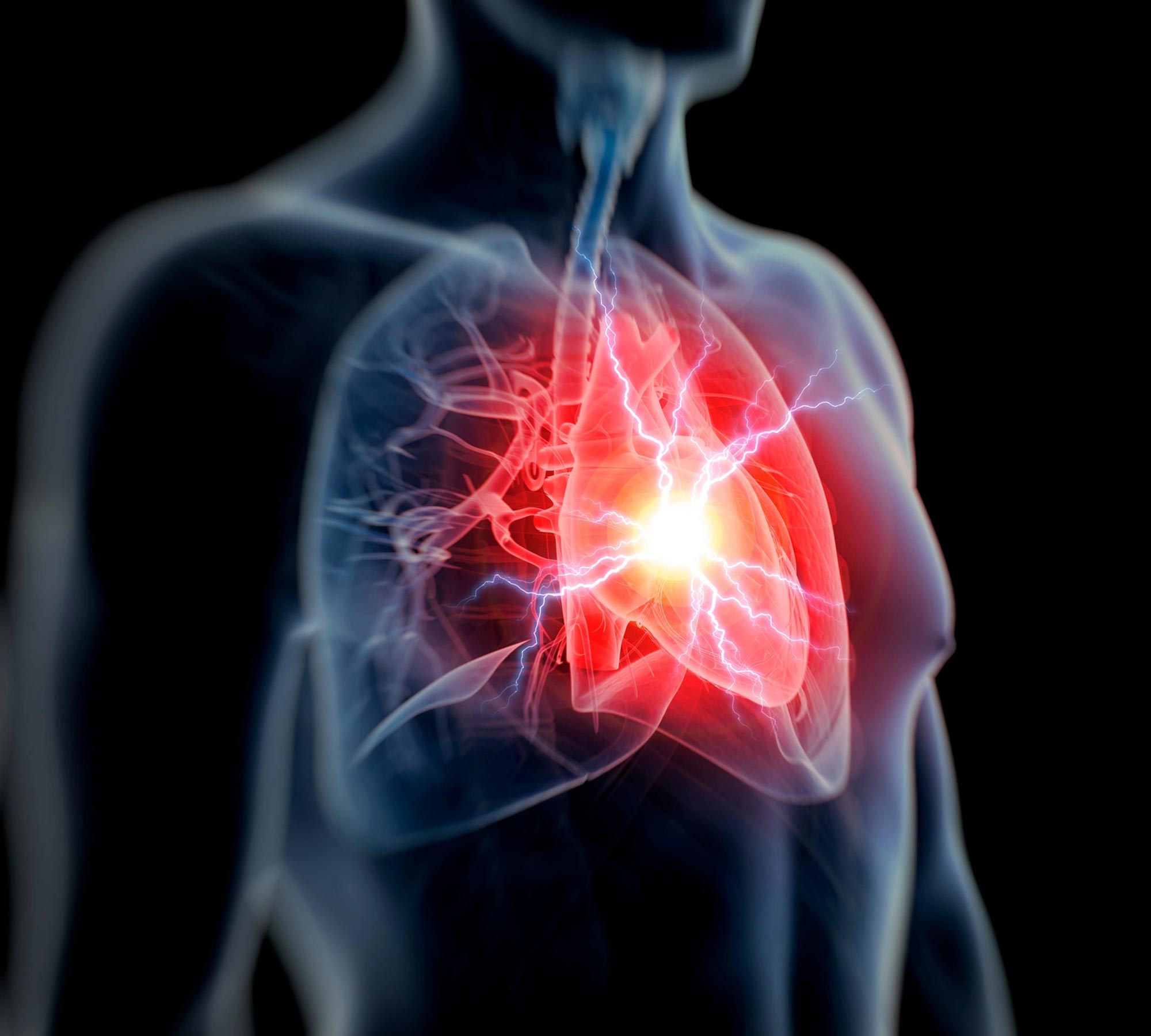
Plastic pollution may be reaching the heart through the bloodstream, and people suffering the most severe form of heart attack appear to carry the greatest burden.
In a study published in the European Heart Journal, researchers detected microplastics and nanoplastics in the coronary blood of 84% of patients who had experienced a serious heart attack. That compared with 40% of patients with chronic ischemic heart disease and 32% of those whose coronary arteries appeared normal.
The heart attack group also had a wider variety of plastics in their blood. Polyethylene, one of the world’s most widely used plastics and a common ingredient in packaging and consumer products, was the material found most often.
Although the results do not show that plastic particles trigger heart attacks, they add to concerns that pollution may be connected to cardiovascular disease through inflammation, lung exposure, and damage to blood vessels.
How Microplastics Enter the Human Body
“Micro and nanoplastics are tiny plastic particles that are found virtually everywhere in the environment, including the air we breathe, the water we drink, and many foods we consume,” said first author Dr. Pasquale Paolisso of Sant’Andrea Hospital at Sapienza University of Rome, Italy. “In recent years, scientists have begun to detect these particles in human tissues and organs, raising concerns about their potential health effects.”
“However, very little was known about whether these particles are present in the coronary circulation, the blood flowing through the arteries that supply the heart, or whether environmental exposures such as smoking and air pollution might influence their presence.”
Microplastics generally measure less than 5 millimeters (0.2 inches), while nanoplastics can be small enough to interact with cells and biological tissues. Scientists have already reported plastic particles in human blood, lungs, placenta, and breast milk, but their long-term health effects remain uncertain.
Testing Blood From the Heart
The new study examined 61 patients treated at Sant’Andrea University Hospital or Azienda Ospedaliera Universitaria Integrata of Verona, Italy. Participants had been diagnosed with a heart attack, chronic ischemic heart disease, or normal coronary arteries.
Researchers collected blood directly from vessels supplying the heart and also from elsewhere in the body. This allowed them to examine whether plastic particles were circulating in the coronary system rather than relying only on samples taken from a vein in the arm.
The team also recorded smoking history and estimated each patient’s air pollution exposure on the day of testing and during the previous two years. Samples were analyzed at the Research Centre on Environmental Pollution and Cardiovascular Diseases at the University of Campania Luigi Vanvitelli in Naples, Italy.
Smoking and Air Pollution Raise Exposure
Smoking emerged as one of the strongest links. Smokers were six times more likely to have microplastics in their blood than nonsmokers.
Air pollution showed a similar pattern. Patients exposed to higher long-term levels of air pollution (PM2.5/particles measuring 2.5 μm or less in diameter) were more likely to carry microplastics.
Every patient who smoked and had higher air pollution exposure tested positive for plastic particles. Among people who neither smoked nor experienced higher pollution levels, the detection rate fell to 12.5%.
A Possible Route Through the Lungs
“These findings do not prove that microplastics cause heart attacks, but they reveal a strong association between environmental exposures, microplastics in the blood, and cardiovascular disease,” said Professor Emanuele Barbato of Sapienza University of Rome, who led the research and directs the Cardiology Unit at Sant’Andrea University Hospital.
“In our study, smoking history was strongly linked to microplastics in the blood. Our findings suggest that smoking might make it easier for micro- and nanoplastics to enter the bloodstream via the lungs. Air pollution may act in a similar way.”
“The results highlight the need to consider microplastic pollution as part of the broader environmental determinants of health. Policies that reduce air pollution, tobacco exposure, and environmental plastic contamination could have benefits that extend beyond environmental protection and potentially improve cardiovascular health.”
Growing Evidence of Cardiovascular Risks
In an accompanying editorial, Professor Andreas Daiber of the University Medical Centre of the Johannes Gutenberg University in Mainz, Germany, and his colleagues placed the findings within a growing body of research on plastic exposure.
“Over time, plastics fragment into microplastics (<5 mm) and nanoplastics (<1 μm), which are now detected in virtually all environmental compartments, including air, water, and soil. Increasingly, these particles are also found within the human body, including blood, lung tissue, placenta, and breast milk, indicating systemic exposure.”
Previous research has also detected microplastics and nanoplastics inside fatty plaques removed from arteries. In those patients, the presence of plastic particles was associated with a higher risk of heart attack, stroke, and death from any cause.
Plastics Found Inside Artery Plaques
“Until recently, the cardiovascular effects of plastic exposure were largely speculative. However, emerging clinical evidence now suggests a potential link between NMPs and cardiovascular disease. In patients undergoing carotid endarterectomy, NMPs were detected within atherosclerotic plaques, and their presence was associated with an increased risk of myocardial infarction, stroke, and all-cause mortality.”
“In their study published in this issue of the European Heart Journal, Paolisso et al. investigated 61 patients undergoing coronary angiography for suspected coronary artery disease. Patients were categorized into ST-segment elevation myocardial infarction (STEMI), chronic coronary syndromes (CCS), and controls. Using advanced analytical methods, NMPs were detected in both peripheral and coronary blood. Notably, plastic particle concentrations were highest in STEMI patients, intermediate in those with CCS, and lowest in controls.”
The heart attack patients also had higher levels of inflammatory molecules, including tumor necrosis factor-α and interleukin-6. These substances are involved in the immune response and are often elevated when the body is under inflammatory stress.
Inflammation and Blood Vessel Damage
“These findings were accompanied by elevated inflammatory markers, including tumor necrosis factor-α and interleukin-6, suggesting a link between plastic exposure and systemic inflammation. Although limited by sample size, these findings represent early clinical evidence that plastic particles may be associated with acute cardiovascular events.”
“NMPs represent a rapidly emerging environmental exposure with potentially important implications for cardiovascular health. Early clinical evidence demonstrates that plastic particles can enter the circulation and accumulate in vascular tissues, while experimental studies indicate that they trigger key mechanisms of vascular injury, including oxidative stress, inflammation, and endothelial dysfunction.”
“Although substantial uncertainties remain, the convergence of epidemiological, clinical, and mechanistic evidence suggests that plastic pollution may represent a previously underestimated cardiovascular risk factor. Addressing this challenge will require coordinated efforts across disciplines and policy domains.”
“In the era of the Anthropocene, protecting cardiovascular health will increasingly depend on reducing not only traditional risk factors but also the growing burden of environmental pollutants (the detrimental part of the exposome), among which plastics may soon play a central role.”
References:
“Micro- and nano-plastics in the coronary circulation and air pollution exposure in ischaemic heart disease presentation” by Pasquale Paolisso, Lucia Scisciola, Marta Belmonte, Roberto Scarsini, Verdiana Galli, Emanuele Gallinoro, Matteo Casenghi, Davide Ausiello, Giose Vincelli, Pasquale Policastro, Marco Redivo, Francesco Cefalì, Angelo Fenti, Valeria Pellegrini, Giovanni Falco, Simona Galoppo, Andrea Berni, Matteo Armillotta, Carmine Pizzi, Francesco Prattichizzo, Antonio Ceriello, Michelangela Barbieri, Flavio Ribichini, Pasquale Iovino, Philip Landrigan, Giuseppe Paolisso, Raffaele Marfella and Emanuele Barbato, 14 July 2026, European Heart Journal.
DOI: 10.1093/eurheartj/ehag447
“Nano- and microplastics in the cardiovascular exposome: a new frontier in environmental risk” by Andreas Daiber, Marin Kuntic and Thomas Münzel, 14 July 2026, European Heart Journal.
DOI: 10.1093/eurheartj/ehag383
Never miss a breakthrough: Join the SciTechDaily newsletter.
Follow us on Google and Google News.
2 Comments
I’m a little confused by the term coronary blood. It makes it sound like the blood to the heart is from a different system than the blood flow to the rest of the body.
I have my reservations with this research in putting the blame on microfabrics. The focus should be on what happened to our degradable microfabrics and why are they more expensive.