

Researchers at the Salk Institute have identified a missing molecule, pleiotrophin, as a possible key to repairing faulty brain circuits in Down syndrome.
New research indicates that faulty brain circuits observed in Down syndrome could stem from insufficient levels of a specific molecule critical to nervous system development and operation. Scientists believe that replenishing this molecule, known as pleiotrophin, might enhance brain function in Down syndrome and other neurological conditions, potentially even in adult patients.
The study was performed using laboratory mice rather than human subjects, meaning this potential treatment remains far from clinical application. However, researchers discovered that giving pleiotrophin to adult mice led to improved brain function well after their brains had completely developed.
This finding suggests the approach may provide significant benefits compared to previous efforts aimed at improving brain circuits in Down syndrome, which would have needed intervention during very specific and limited windows of time during pregnancy.
“This study is really exciting because it serves as proof-of-concept that we can target astrocytes, a cell type in the brain specialized for secreting synapse-modulating molecules, to rewire the brain circuitry at adult ages,” said researcher Ashley N. Brandebura, PhD, who was part of the research team while at the Salk Institute for Biological Studies and is now part of the University of Virginia School of Medicine. “This is still far off from use in humans, but it gives us hope that secreted molecules can be delivered with effective gene therapies or potentially protein infusions to improve quality of life in Down syndrome.”
Understanding Down Syndrome
Down syndrome affects approximately 1 in 640 babies born each year in the United States, according to the federal Centers for Disease Control and Prevention. Caused by a mistake in cell division during development, the condition can lead to developmental delays, hyperactivity, shortened lifespan, and increased risk for medical problems such as heart defects, thyroid issues, and problems with hearing and vision.
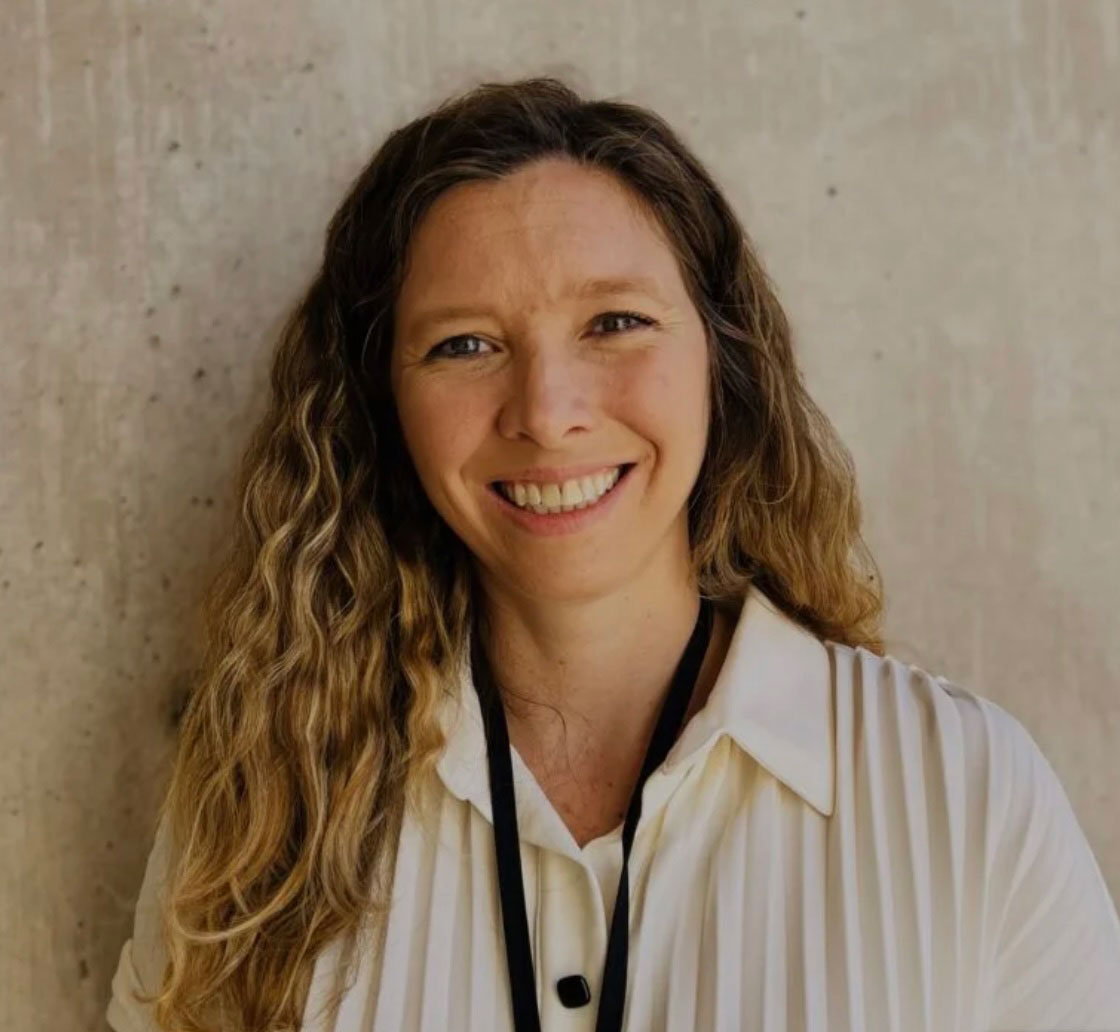
Salk researchers led by Nicola J. Allen, PhD, wanted to better understand the causes of Down syndrome, so they looked for cellular proteins altered in the brains of lab mice used to model the condition. The scientists identified pleiotrophin as a promising candidate because it is present at very high levels at critical moments in brain development and because it plays essential roles in the formation of brain connections called synapses and in the development of nerve transmitters and receivers called axons and dendrites. Further, the presence of the protein is reduced in Down syndrome.
To determine if restoring pleiotrophin would improve brain function, the researchers delivered it where it was needed using modified viruses called viral vectors. While we normally think of viruses as causing illnesses such as the flu, scientists can engineer them not to cause disease but to treat it. This is done by stripping out the disease-causing parts of the virus and replacing them with beneficial cargo – in this case, pleiotrophin – that the hollowed-out virus then delivers directly into cells.
The researchers found that administering pleiotrophin to important brain cells called astrocytes had big benefits, including increasing the number of synapses in the hippocampus region of the brain. Further, it increased brain “plasticity” – the ability to form or modify connections essential for learning and memory.
“These results suggest we can use astrocytes as vectors to deliver plasticity-inducing molecules to the brain,” Allen said. “This could one day allow us to rewire faulty connections and improve brain performance.”
Toward Broader Applications
While the findings are promising, the scientists don’t believe that pleiotrophin is the only cause of brain circuit problems in Down syndrome. Further research is needed to understand the complex contributors to the condition, they caution. But their work, they say, provides proof of the viability of an approach that could be beneficial not just for Down syndrome but other neurological diseases as well.
“This idea that astrocytes can deliver molecules to induce brain plasticity has implications for many neurological disorders, including other neurodevelopmental disorders like fragile X syndrome, but also maybe even to neurodegenerative disorders like Alzheimer’s disease,” Brandebura said. “If we can figure out how to ‘reprogram’ disordered astrocytes to deliver synaptogenic molecules, we can have some greatly beneficial impact on many different disease states.”
Reference: “Dysregulation of astrocyte-secreted pleiotrophin contributes to neuronal structural and functional deficits in Down syndrome” by Ashley N. Brandebura, Adrien Paumier, Quinn N. Asbell, Tao Tao, Mariel Kristine B. Micael, Sherlyn Sanchez and Nicola J. Allen, 17 September 2025, Cell Reports.
DOI: 10.1016/j.celrep.2025.116300
Having completed her postdoctoral studies at Salk, Brandebura plans to continue her research in her new post at UVA Health, where she is a member of the UVA Brain Institute, the Department of Neuroscience and the Center for Brain Immunology and Glia (BIG Center).
The research was supported by the Chan Zuckerberg Initiative and the National Institutes of Health’s National Institute of Neurological Disorders and Stroke, grant F32NS117776.
Never miss a breakthrough: Join the SciTechDaily newsletter.
Follow us on Google and Google News.