
Close Menu
    Facebook X (Twitter) Instagram
    SciTechDaily
    • Biology
    • Chemistry
    • Earth
    • Health
    • Physics
    • Science
    • Space
    • Technology
    Facebook X (Twitter) Pinterest YouTube RSS
    SciTechDaily
    Home»Biology»Moon Ark: Scientists Propose Saving Earth’s Species With a Lunar Biorepository
    Biology

    Moon Ark: Scientists Propose Saving Earth’s Species With a Lunar Biorepository

    By American Institute of Biological SciencesAugust 1, 20241 Comment3 Mins Read
    Facebook Twitter Pinterest Telegram LinkedIn WhatsApp Email Reddit
    Share
    Facebook Twitter LinkedIn Pinterest Telegram Email Reddit
    Earth Sun Moon
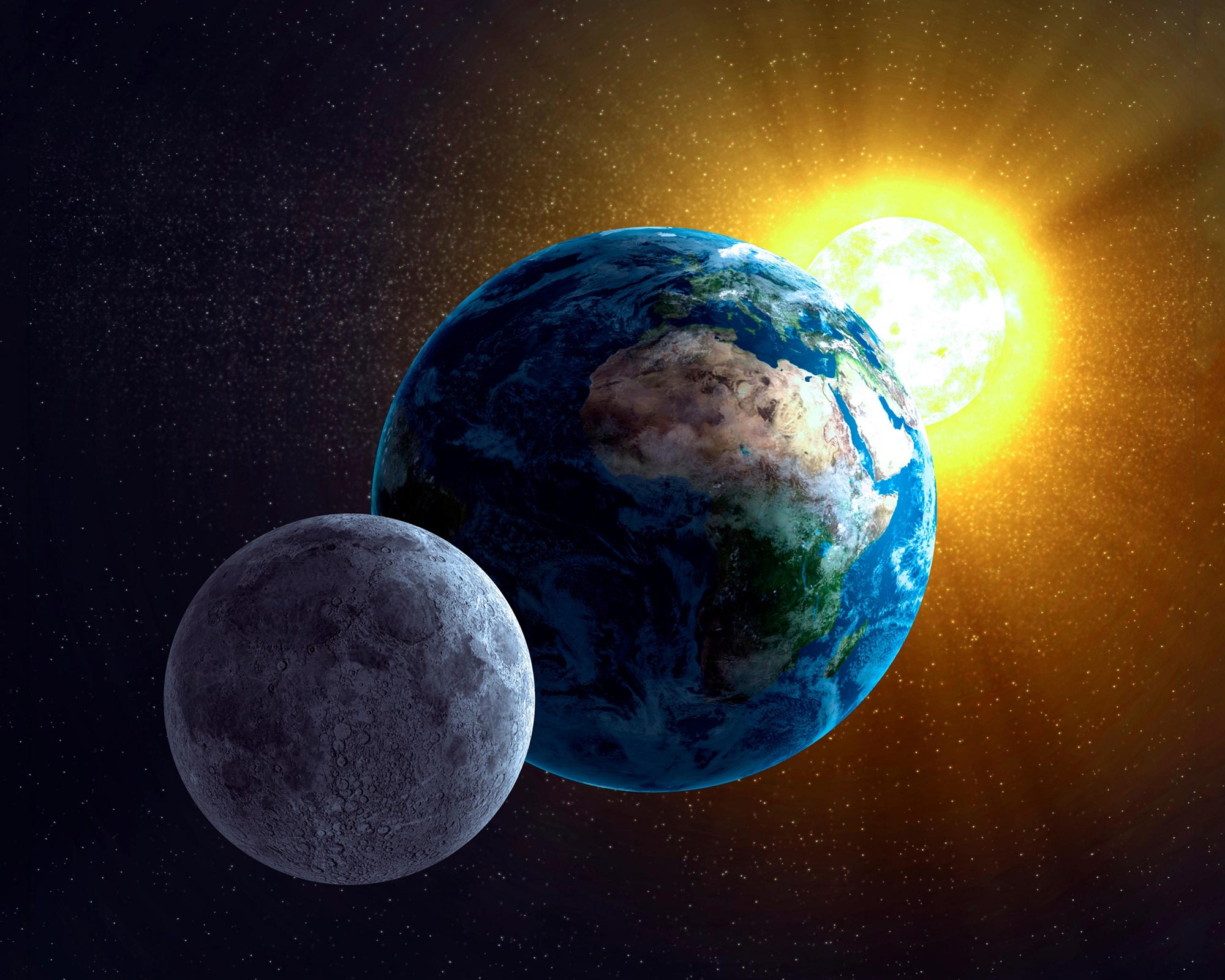
    An international team of researchers has proposed establishing a lunar biorepository to preserve cryopreserved samples of Earth’s most endangered species, utilizing the Moon’s cold temperatures for long-term storage without human intervention. Led by Dr. Mary Hagedorn, this initiative aims to protect biodiversity from Earth-based threats and involves collaboration across nations and disciplines, despite facing challenges such as radiation and the need for robust space transport.

    Researchers propose a lunar biorepository to protect Earth’s endangered species by utilizing the Moon’s cold temperatures for long-term storage of biological samples. This initiative seeks to overcome Earth’s natural and political risks by fostering global collaboration and developing new technologies for space transport and sample preservation.

    Faced with the threat of extinction for numerous species, an international team of researchers has suggested a groundbreaking solution to safeguard the planet’s biodiversity: a lunar biorepository. As outlined in a recent article in the journal BioScience, this plan involves establishing a passive, enduring storage facility on the moon for cryopreserved samples of Earth’s most endangered animal species.

    Led by Dr. Mary Hagedorn of the Smithsonian’s National Zoo and Conservation Biology Institute, the team envisions taking advantage of the Moon’s naturally cold temperatures, particularly in permanently shadowed regions near the poles, where temperatures remain consistently below –196 degrees Celsius. Such conditions are ideal for long-term storage of biological samples without the need for human intervention or power supplies, two factors that could threaten the resilience of Earth-based repositories. Other key advantages of a lunar facility include protection from Earth-based natural disasters, climate change, and geopolitical conflicts.

    Initial Steps and Collaborative Efforts

    An initial focus in the development of a lunar biorepository would be on cryopreserving animal skin samples with fibroblast cells. The author team has already begun developing protocols using the Starry Goby (Asterropteryx semipunctata) as an exemplar species, with other species to follow. The authors also plan to “leverage the continental-scale sampling that is currently underway at the U S National Science Foundation’s National 190 Ecological Observatory Network (NEON)” as a source for future fibroblast cell development.

    Challenges to be addressed include developing robust packaging for space transport, mitigating radiation effects, and establishing the complex international governance frameworks for the repository. The authors call for broad collaboration among nations, agencies, and international stakeholders to realize this decades-long program. The next steps include expanding partnerships, particularly with space research agencies, and conducting further testing on Earth and aboard the International Space Station.

    Despite the challenges to be overcome, the authors highlight that the need for action is acute: “Because of myriad anthropogenic drivers, a high proportion of species and ecosystems face destabilization and extinction threats that are accelerating faster than our ability to save these species in their natural environment.”

    Reference: “Safeguarding Earth’s biodiversity by creating a lunar biorepository” by Mary Hagedorn, Lynne R Parenti, Robert A Craddock, Pierre Comizzoli, Paula Mabee, Bonnie Meinke, Susan M Wolf, John C Bischof, Rebecca D Sandlin, Shannon N Tessier and Mehmet Toner, 31 July 2024, BioScience.
    DOI: 10.1093/biosci/biae058

    Never miss a breakthrough: Join the SciTechDaily newsletter.
    Follow us on Google and Google News.

    Biodiversity Conservation Moon Popular
    Share. Facebook Twitter Pinterest LinkedIn Email Reddit

    Related Articles

    Scientists Just Discovered 70 New Species and Some Are Truly Wild

    Study Warns of “Ultimate Extinction” as Dolphin Lifespans Plummet

    It Looks Like Nothing Else: Meet the Bizarre Frog That Shouldn’t Exist

    Not Science Fiction: Strange New Frog Species in Madagascar Sound Like They’re From Star Trek

    How the Asteroid That Killed Dinosaurs Turned Ants Into Farmers

    Protecting Earth’s Biodiversity: Scientists Propose Bold Plan To Create Moon-Based Bio Vault

    The Quick and the Curious: Discover the Mysterious New Creatures of the Deep Sea

    “Extinct” Pinatubo Volcano Mouse Rediscovered on Volcano That Erupted 30 Years Ago

    A Fifth of All Invertebrates on Earth Threatened by Extinction

    1 Comment

    1. Boba on August 2, 2024 1:11 am

      But… why?

      Reply
    Leave A Reply Cancel Reply

    • Facebook
    • Twitter
    • Pinterest
    • YouTube

    Don't Miss a Discovery

    Subscribe for the Latest in Science & Tech!

    Trending News

    Scientists Uncover Potential Brain Risks of Popular Fish Oil Supplements

    Scientists Discover a Surprising Way To Make Bread Healthier and More Nutritious

    After 60 Years, Scientists Uncover Unexpected Brain Effects of Popular Diabetes Drug Metformin

    New Research Uncovers Hidden Side Effects of Popular Weight-Loss Drugs

    Scientists Rethink Extreme Warming After Surprising Ocean Discovery

    Landmark Study Links Never Marrying to Significantly Higher Cancer Risk

    Researchers Discover Unknown Beetle Species Just Steps From Their Lab

    Largest-Ever Study Finds Medicinal Cannabis Ineffective for Anxiety, Depression, PTSD

    Follow SciTechDaily
    • Facebook
    • Twitter
    • YouTube
    • Pinterest
    • Newsletter
    • RSS
    SciTech News
    • Biology News
    • Chemistry News
    • Earth News
    • Health News
    • Physics News
    • Science News
    • Space News
    • Technology News
    Recent Posts
    • Scientists Discover Caffeine Can Repair Key Memory Circuits After Sleep Loss
    • Strange 65-Foot Dinosaur Discovered in Argentina
    • Researchers Uncover Source of Strange Deformation in Earth’s Largest Continental Rift
    • Scientists Solve Mystery of Where the Colorado River Vanished Millions of Years Ago
    • Not Just Alzheimer’s: Scientists Uncover Clues to a Second, Overlooked Disorder
    Copyright © 1998 - 2026 SciTechDaily. All Rights Reserved.
    • Science News
    • About
    • Contact
    • Editorial Board
    • Privacy Policy
    • Terms of Use

    Type above and press Enter to search. Press Esc to cancel.