
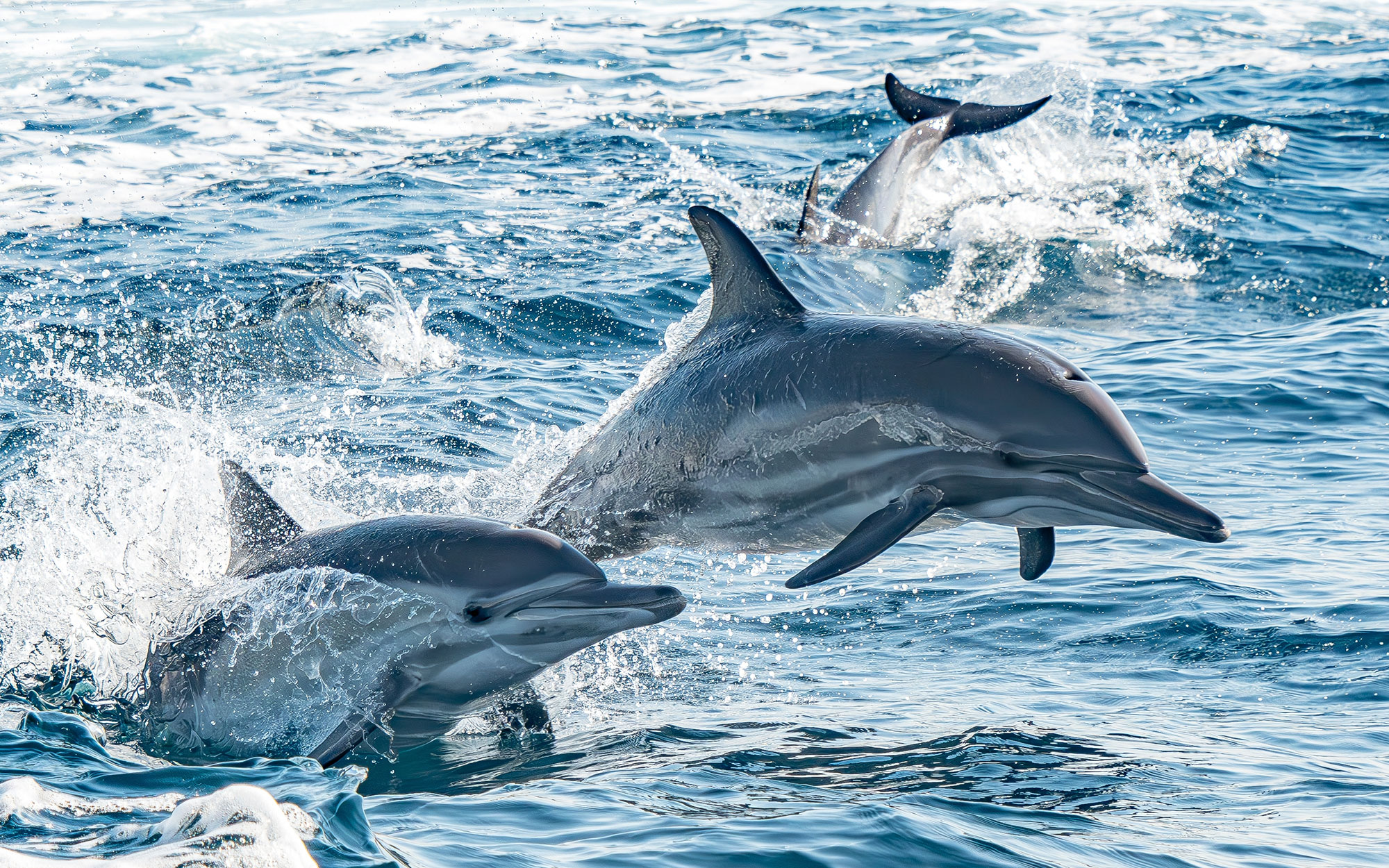
A new study reveals that common dolphins in the North Atlantic are living significantly shorter lives, with female longevity dropping by seven years since 1997.
Common dolphins are among the most numerous marine mammals on Earth, yet a new study in Conservation Letters reveals that these animals are living shorter lives in the North Atlantic.
Researchers from the University of Colorado Boulder found that the average lifespan of female common dolphins has dropped by seven years since 1997, a decline scientists warn could endanger not only the species but also the ocean ecosystems they help balance.
“There is an urgent need to manage the population better,” said Etienne Rouby, a postdoctoral researcher in the Institute of Arctic and Alpine Research (INSTAAR). “Otherwise, there is a risk for decline and, ultimately, extinction.”
An estimated 6 million common dolphins inhabit tropical and temperate waters worldwide, making them the most abundant members of the cetacean family, which includes all whales, dolphins, and porpoises.
Each winter, many migrate to the Bay of Biscay off the coast of France, drawn by its warmer, nutrient-rich waters filled with small fish such as anchovies and sardines. However, this same area is also one of Europe’s busiest fishing regions, creating a challenging environment for the dolphins that depend on it.
While dolphins are not the target of fishing, many of them end up in nets by accident, also known as “bycatch”. Most dolphins caught as bycatch die. Some studies estimate that in 2021, fishing bycatch was responsible for the death of 6,900 dolphins in the bay, from a winter population of 180,000.
The Illusion of Stability
Despite those numbers, traditional abundance monitoring methods previously suggested that the dolphin population in the bay was stable.
Conventionally, scientists have estimated dolphin numbers by tallying individuals spotted from survey ships and planes. Because dolphins are constantly moving in and out of a region, this approach can miss population changes until drastic shifts occur. For long-lived animals that only produce a few offspring in their lifetimes, such as dolphins, recovery may not be possible once population declines are significant enough to show up in general counts, Rouby said.
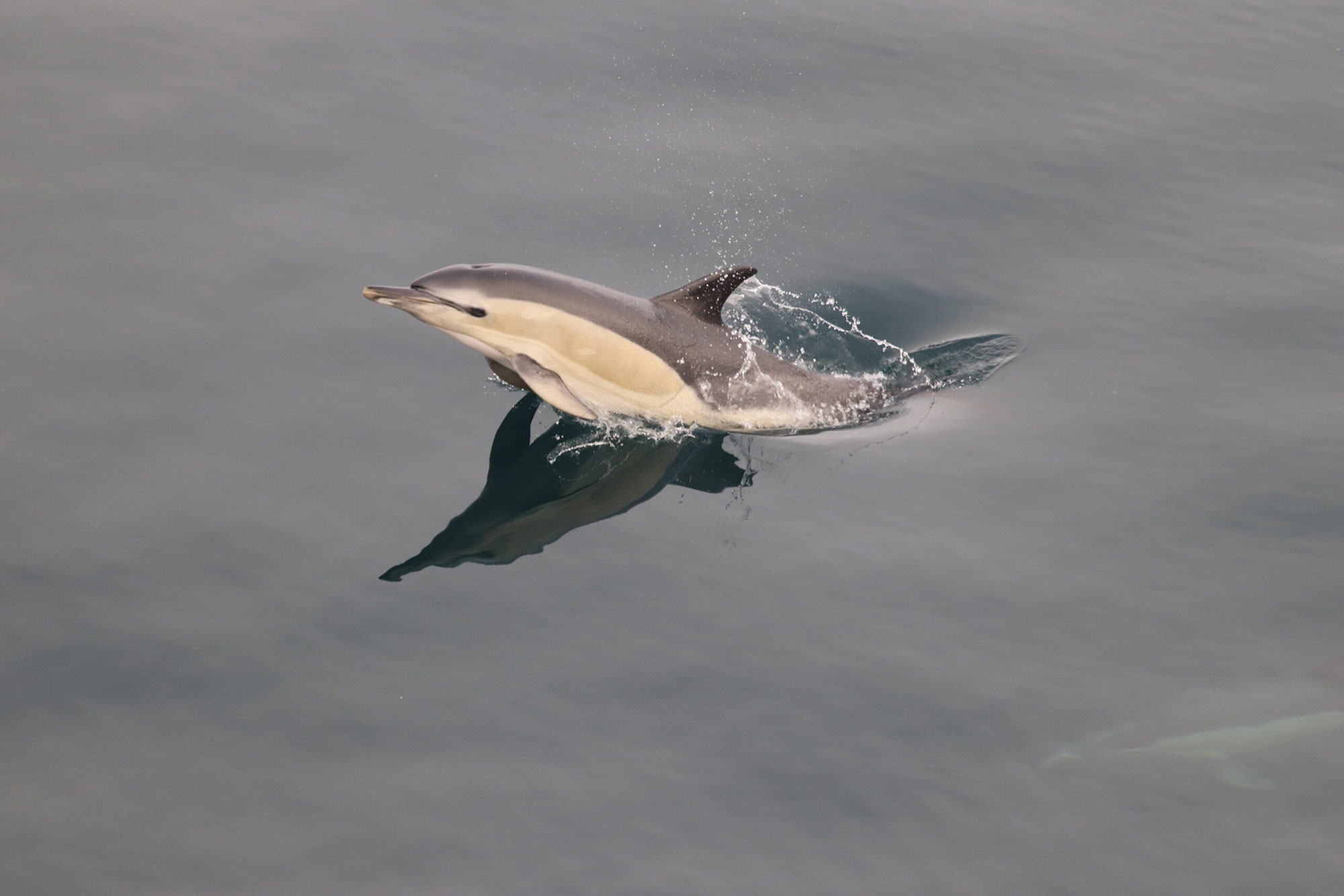
He and his team set out to reevaluate how well these cetaceans were surviving using a new approach they developed: counting and analyzing deceased dolphins stranded on beaches in the bay.
Dolphins often come onto the shore because they are old, sick, injured or disoriented, and rarely any survive after being stranded. While stranded dolphins represent only about 10% of total dolphin deaths, changes in their mortality patterns over time can reveal broader population trends.
The team studied 759 common dolphins stranded on beaches along the Bay of Biscay between 1997 and 2019.
“We wanted to capture changes in the population’s survival and fertility rates. These are more sensitive indicators of population health, and they enable us to identify the problems before they become irreversible,” he said.
Evidence of a Worrying Shift
By analyzing dolphin teeth, the team determined the age at which these animals died. The team found that female dolphins’ longevity decreased from 24 years in the late 1990s to just 17 years two decades later. This decline has led to fewer calves born, the study suggests.
The researchers estimated that the dolphin population growth rate had declined by 2.4% from 1997 to 2019. In ideal conditions, a healthy common dolphin population grows ideally at about 4% per year. This means if the population was thriving perfectly in 1997, it was only growing at 1.6% annually by 2019.
“The numbers are likely to be lower in reality,” Rouby said. If the trend continues, the growth rate could dip below zero, a threshold that would signal population decline, he added.
Since 2024, the French government has been closing the Bay of Biscay to fishing for one month every January to protect the dolphins. While some data have suggested the measure has been helpful, Rouby said a more flexible schedule could work better.
Depending on ocean conditions, dolphins may arrive at the bay earlier or later than the set period in January, so timing fishing restrictions to match dolphin visits would better protect the animals.
Other cetaceans in the North Atlantic, including Harbor porpoise and bottlenose dolphins, may also be experiencing similar declines. Studying how well their populations are doing could improve current conservation policies, including the US Marine Mammal Protection Act and the European Marine Strategy Framework Directive, Rouby said.
“Dolphins are the top predators in the Bay of Biscay, and they play a very important role in the ecosystem. Without these predators, fish populations could become out of control, and they would in turn consume too much plankton and vegetation until the system collapses,” Rouby said. “As humans, we should make conscious decisions to protect the living and non-living things around us. Facing evidence of viability loss, we need to act before it is too late.”
Reference: “Longevity Collapse in Dolphins: A Growing Conservation Concern in the Bay of Biscay” by Etienne Rouby, Floriane Plard, Vincent Ridoux, Audrey Mauchamp, Willy Dabin, Jérôme Spitz and Matthieu Authier, 10 October 2025, Conservation Letters.
DOI: 10.1111/conl.13142
Never miss a breakthrough: Join the SciTechDaily newsletter.
Follow us on Google and Google News.
5 Comments
I wonder how these species survived the last ten ice ages, and interglacier temperatures that were 8 degrees warmer? It’s so obvious that this journal is being paid to shill for carbon tax UN one world fascist new order by wealthy elites. The facts presented by the Australian Government on the 2021 and 2023 report the opposite. The small 120 ppm increase in co2 has cause 15 cm of new growth. Al Gore was wrong. NYC is not up to the 14 feet water above street level. Prove it to yourself; divide total human CO2 in gigatons by the weight of the atmosphere then you’ll know! By the way; A.I.shills will tell you Global Atolls have lost 25-35% surface area; Landsat measurements reveal a 6.% increase. This journal keeps pushing the human CO2 scam. Fakery! My advice do your own real research and not from people being paid like the IPCC.
Humans are the most destructive creature on the planet. GREEDY, THOUGHTLESS TO OTHER CREATURES AND PLANTS. I AM ASHAMED OF OUR KIND…YOU SEE IT EVERYDAY…DISGUSTING AND DISRESPECTFUL OF THE ENVIRONMENT. THESE HUMANS WERE I LIVE THROW TRASH ON THE GROUND AND DRIVE THEIR LOUD NO MUFFLER VEHICLES…
The shift in temperature is happening faster than previously? Pretty easy to understand. 3 degrees in 3 decades vs 8 in 100 decades? Lol.
“Ultimate extinction”… Isn’t every extinction ultimate? Like, every member of the species dies, you know…
The most likely cause of troubles of these animals is that we keep putting all kinds of noxious crap in the oceans, and ply them with diesel burning ships.
Recent findings indicate that beached dolphins had a brain condition that caused dimentia.
Where did that come from,,,maybe GlobalWarmists spraying stuff in the air from jet engines.