
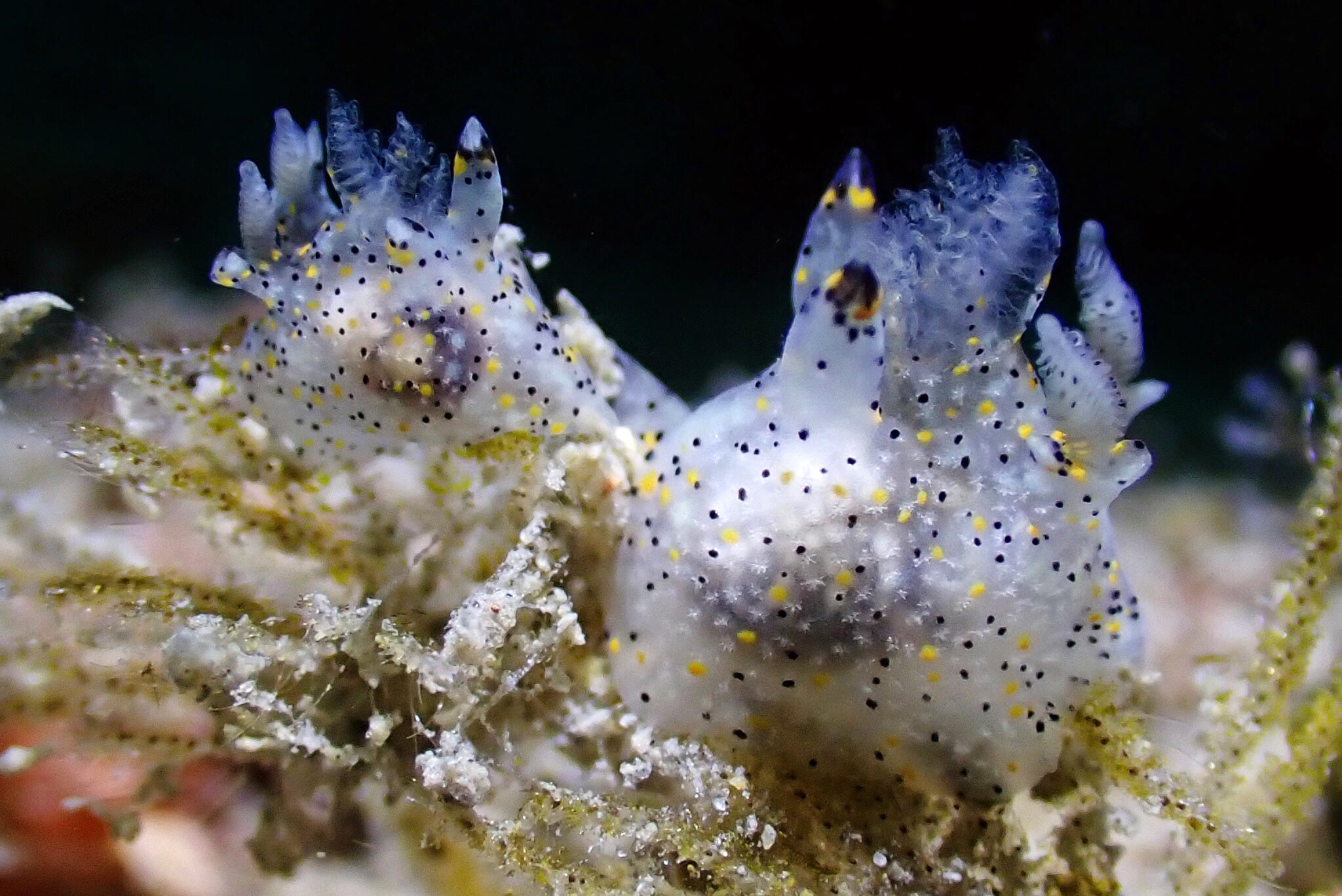
A sesame-seed-sized sea slug discovered in Taiwan is revealing a hidden world of tiny ocean life.
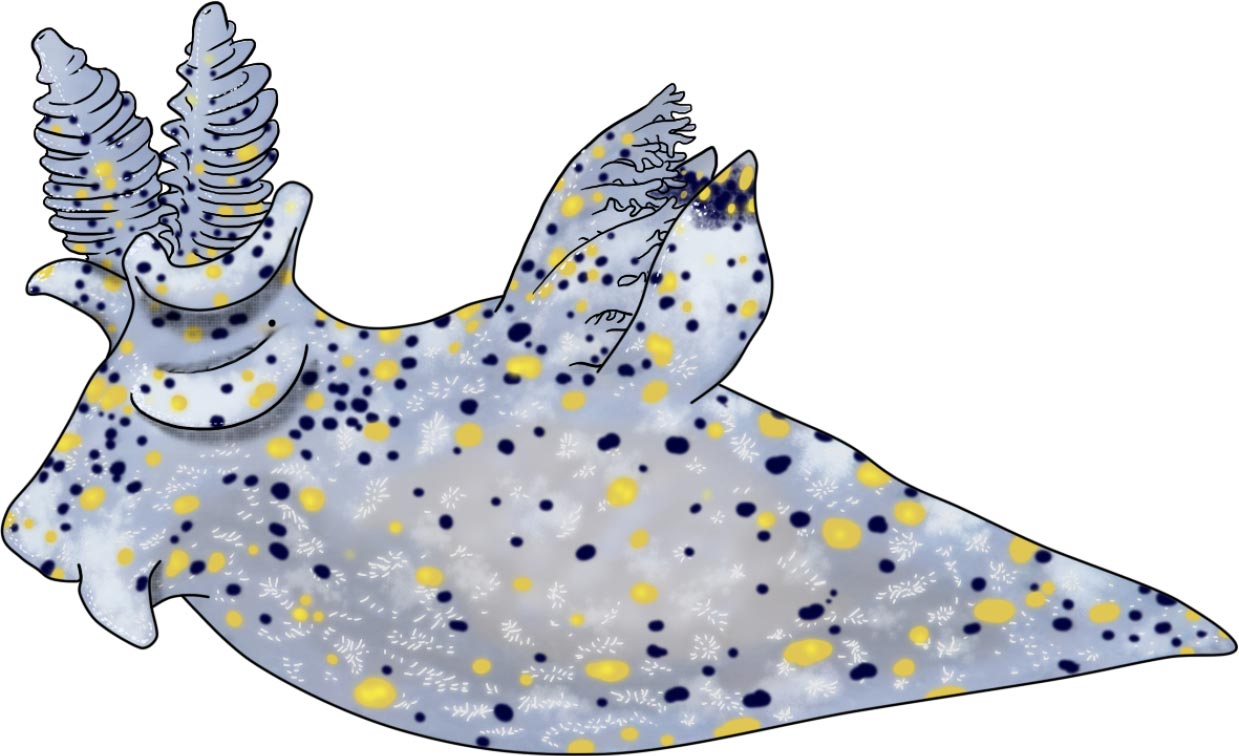
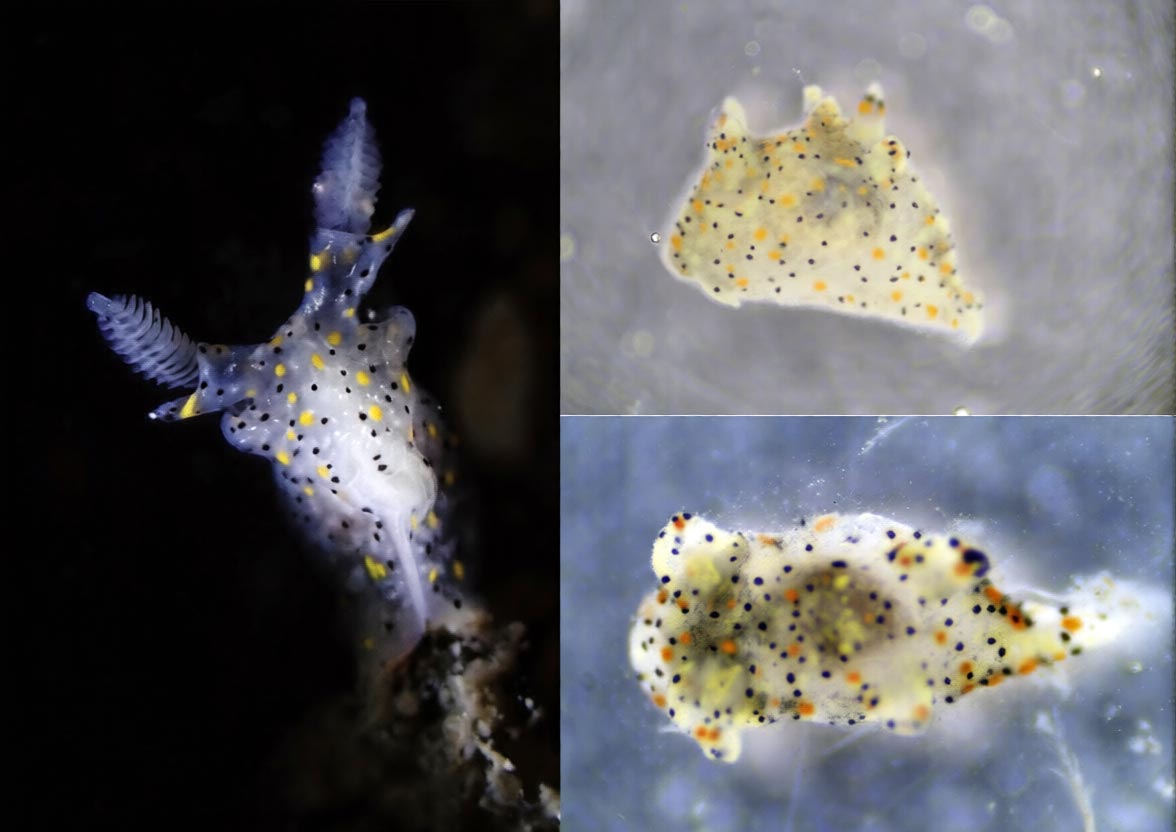
A newly identified species of sea slug, so small that it is barely larger than a sesame seed, has been discovered in the coastal waters of Keelung, Taiwan. The tiny marine animal, named Thecacera sesama, features a translucent body decorated with distinctive black and yellow markings.
Researchers from National Taiwan Ocean University, the National Museum of Natural Science, and National Taipei University of Education chose the name after the creature’s resemblance to a sesame seed. According to the team, “Taiwanese divers call it ‘sesame’ in Chinese, and it is also small like a sesame seed, hence the name.”
Measuring less than three millimeters long, the nudibranch was first encountered in 2019 by lead author Ho-Yeung Chan during a recreational dive.
A Chance Discovery Leads to a New Species
The discovery began unexpectedly while Chan was still an undergraduate student.
“During a recreational dive in the summer during the undergraduate study of HY Chan in 2019, he accidentally discovered Thecacera sesama sp. nov. in northern Taiwan waters,” the researchers explained.
At the time, Chan did not realize he had found a species unknown to science. The significance of the sighting only became clear after he sought advice online. According to the team, he “never realized Thecacera sesama was a new species until he consulted the sea slug expert ‘Hsini Lin teacher’ on Facebook.”
Challenges of Studying Tiny Marine Life
Recording and studying the species was far from easy. The coastline around Keelung presents difficult conditions for marine research throughout much of the year.
Taiwan regularly experiences typhoons during the summer months, while strong winter monsoons generate large waves. Water temperatures can also fall below 16 degrees Celsius. As a result, researchers have only a limited window of roughly four months each year when diving conditions are suitable for studying nudibranchs.
Because of these restrictions, spotting an animal as small as T. sesama often comes down to luck.
A Life Centered on Bryozoans
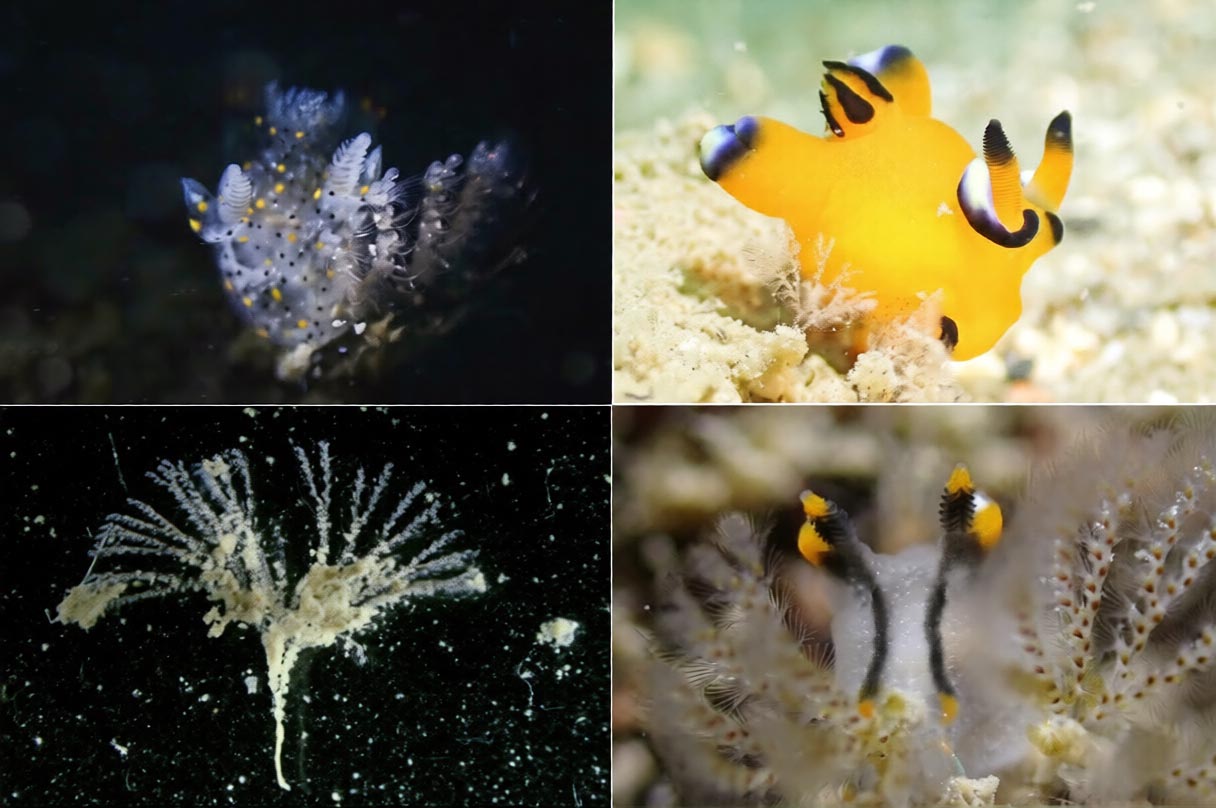
Researchers observed that the tiny sea slug spends its life engaged in four primary activities: feeding, searching, mating, and laying eggs.
All of these behaviors take place on bryozoans, small aquatic invertebrates commonly known as “moss animals.” Interestingly, the particular bryozoan species used by T. sesama may itself represent a species that has not yet been formally described by science.
Why Nudibranch Discoveries Matter
Although small, nudibranchs play an important role in marine ecosystems.
“Nudibranchs are one of the key players in the marine food web,” the researchers noted. “They are extremely colorful and can be spotted on coral reef ecosystems. However, many nudibranchs are very small in size and are extremely difficult to spot underwater with the naked eye.”
The team believes the discovery of Thecacera sesama may be only the beginning. Given the tiny size of many marine organisms, Taiwan’s waters likely contain numerous species that have yet to be discovered, documented, and studied.
The research describing Thecacera sesama was published in the open access journal ZooKeys on May 11, 2026.
Reference: “Thecacera sesama sp. nov. (Nudibranchia, Polyceridae) from Taiwan, evident from morphology and phylogenetic analyses of the 16S rDNA and cytochrome c oxidase I gene” by Ho-Yeung Chan, Chen-Lu Lee, Wei-Cheng Chen, Chia-Hao Chang, Yi-Ta Shao and Ka-Lai Pang, 11 May 2026, ZooKeys.
DOI: 10.3897/zookeys.1279.184298
Never miss a breakthrough: Join the SciTechDaily newsletter.
Follow us on Google and Google News.
1 Comment
The slug can’t be smaller than a sesame seed if it is ‘barely larger than a sesame seed’. As often, the headline exaggerates.