
Close Menu
    Facebook X (Twitter) Instagram
    SciTechDaily
    • Biology
    • Chemistry
    • Earth
    • Health
    • Physics
    • Science
    • Space
    • Technology
    Facebook X (Twitter) Pinterest YouTube RSS
    SciTechDaily
    Home»Biology»Mushroom Growing Out of 50-Million-Year-Old Fossilized Ant Reveals New Species of Fungal Parasite
    Biology

    Mushroom Growing Out of 50-Million-Year-Old Fossilized Ant Reveals New Species of Fungal Parasite

    By Oregon State UniversityJune 26, 2021No Comments4 Mins Read
    Facebook Twitter Pinterest Telegram LinkedIn WhatsApp Email Reddit
    Share
    Facebook Twitter LinkedIn Pinterest Telegram Email Reddit
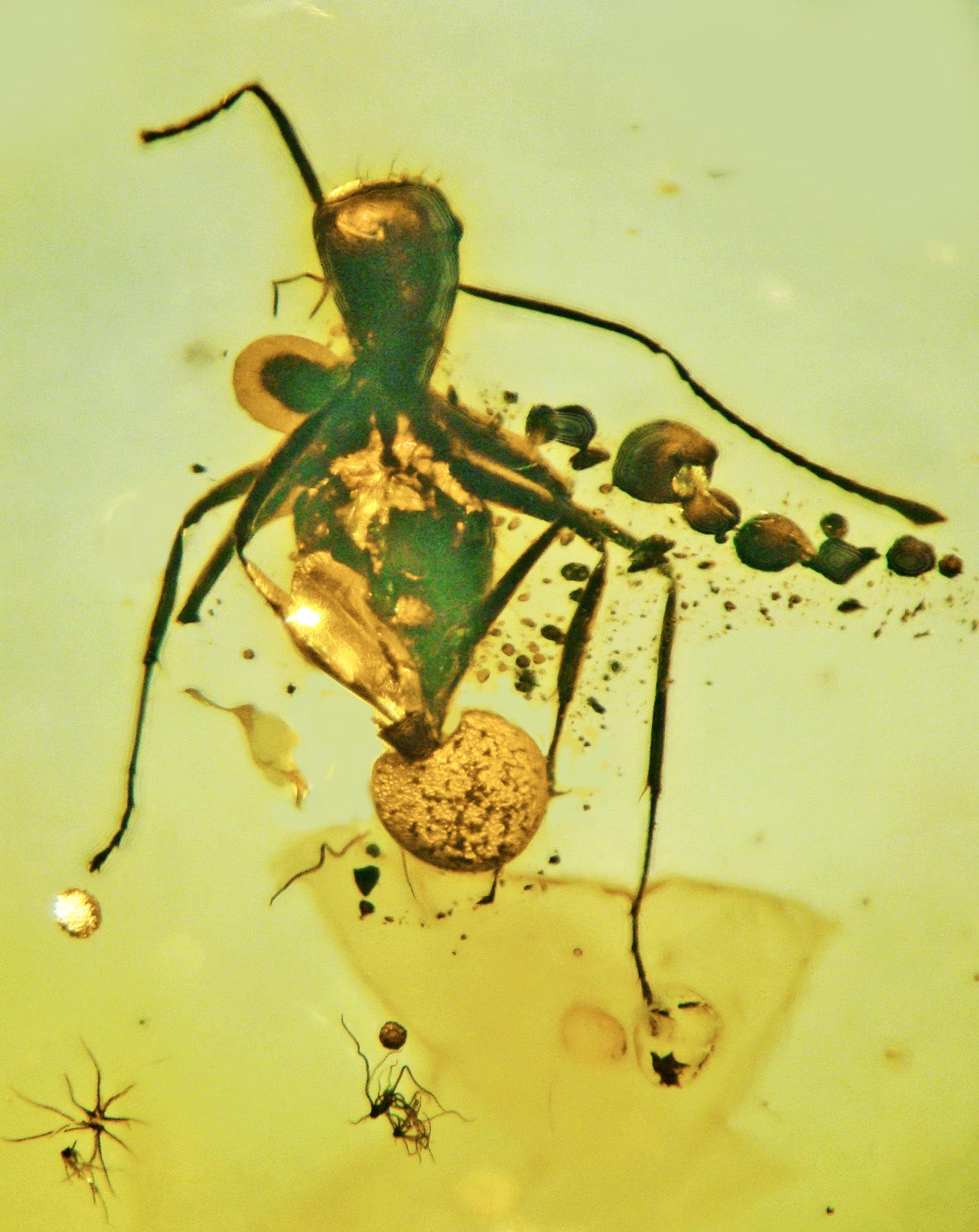
    Fungus Parasitizing an Ant
    Oregon State University research has identified the oldest known specimen of a fungus parasitizing an ant, and the fossil also represents a new fungal genus and species. Credit: George Poinar Jr., OSU

    Scientists discovered Allocordyceps baltica, a 50-million-year-old fungus fossilized in amber, growing from an ant.

    Oregon State University research has identified the oldest known specimen of a fungus parasitizing an ant, and the fossil also represents a new fungal genus and species.

    “It’s a mushroom growing out of a carpenter ant,” said OSU’s George Poinar Jr., an international expert in using plant and animal life forms preserved in amber to learn about the biology and ecology of the distant past.

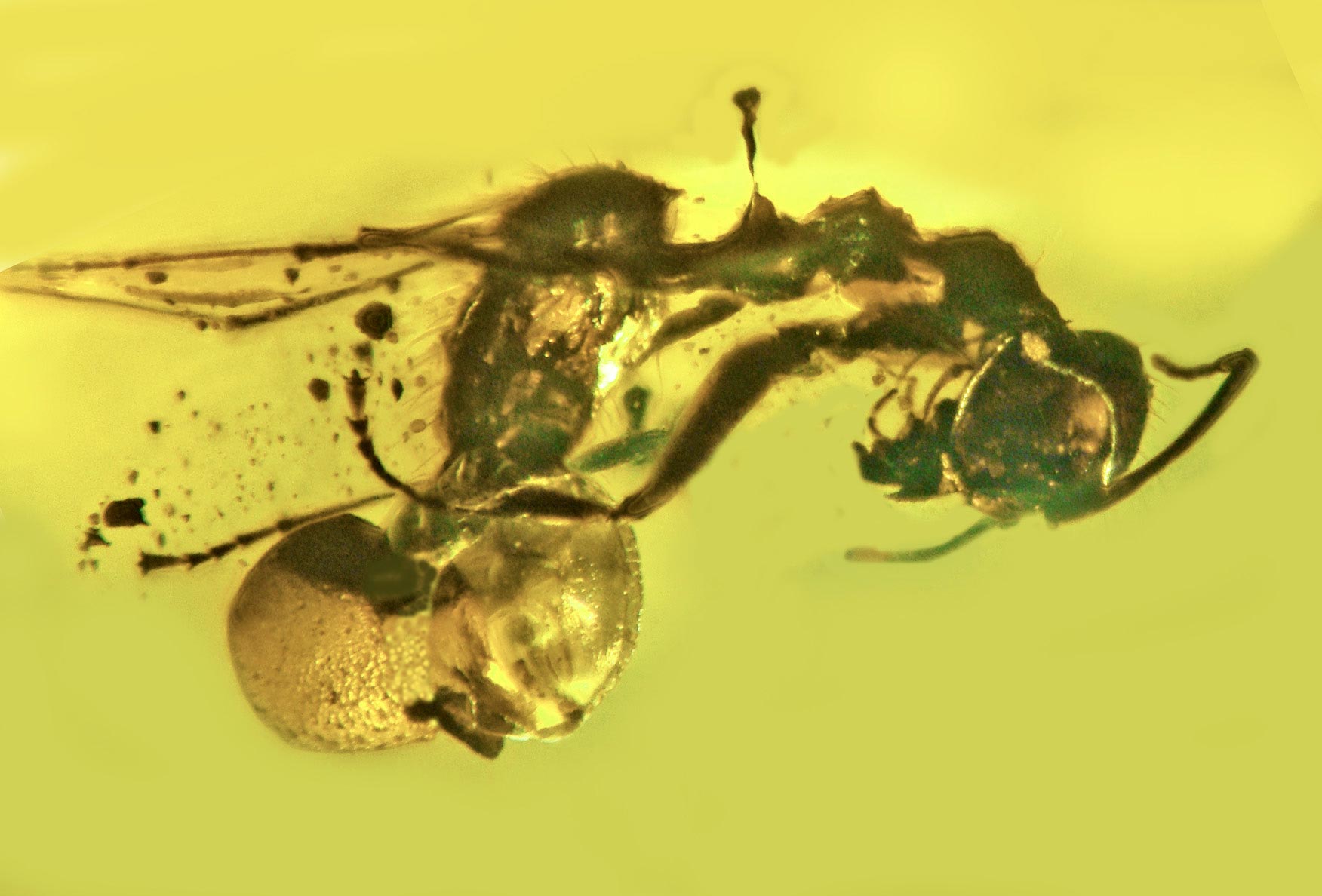
    A mushroom is the reproductive structure of many fungi, including the ones you find growing in your yard, and Poinar and a collaborator in France named their discovery Allocordyceps baltica. They found the new type of Ascomycota fungi in an ant preserved in 50-million-year-old amber from Europe’s Baltic region.

    Carpenter Ants: Prime Targets for Fungal Mind Control

    “Ants are hosts to a number of intriguing parasites, some of which modify the insects’ behavior to benefit the parasites’ development and dispersion,” said Poinar, who has a courtesy appointment in the OSU College of Science. “Ants of the tribe Camponotini, commonly known as carpenter ants, seem especially susceptible to fungal pathogens of the genus Ophiocordyceps, including one species that compels infected ants to bite into various erect plant parts just before they die.”
    Ant Fungus Parasite
    A mushroom is the reproductive structure of many fungi, including the ones you find growing in your yard, and OSU’s George Poinar Jr. and a collaborator in France named their discovery Allocordyceps baltica. They found the new type of Ascomycota fungi in an ant preserved in 50-million-year-old amber from Europe’s Baltic region. Credit: George Poinar Jr., OSU

    Doing so, he explains, puts the ants in a favorable position for allowing fungal spores to be released from cup-shaped ascomata – the fungi’s fruiting body –protruding from the ants’ head and neck. Carpenter ants usually make their nests in trees, rotting logs and stumps.

    The new fungal genus and species shares certain features with Ophiocordyceps but also displays several developmental stages not previously reported, Poinar said. To name the genus, placed in the order Hypocreales, Poinar and fellow researcher Yves-Marie Maltier combined the Greek word for new – alloios – with the name of known genus Cordyceps.

    Unprecedented Fungal Development Captured in Amber

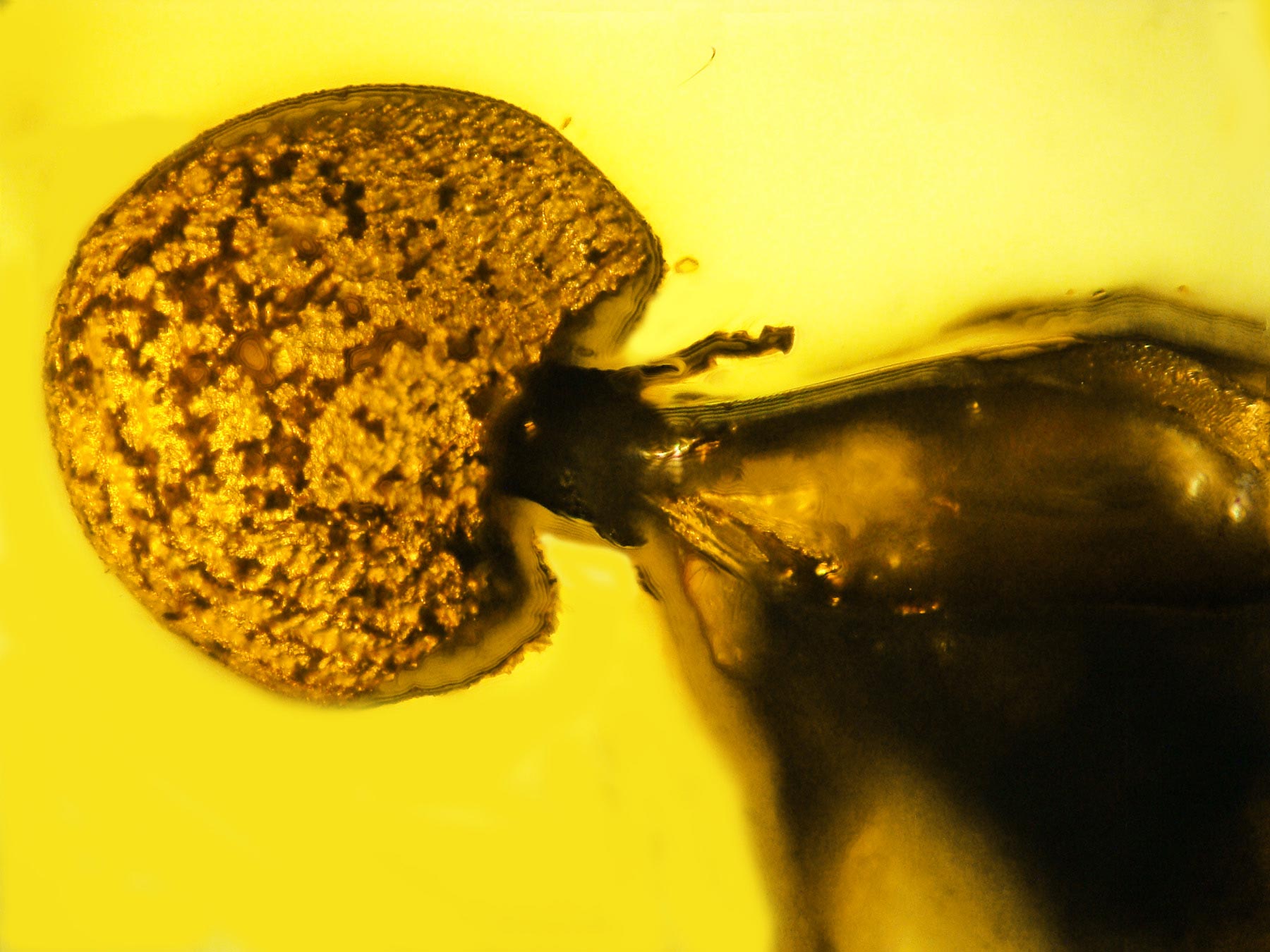
    “We can see a large, orange, cup-shaped ascoma with developing perithecia – flask-shaped structures that let the spores out – emerging from the rectum of the ant,” Poinar said. “The vegetative part of the fungus is coming out of the abdomen and the base of the neck. We see freestanding fungal bodies also bearing what look like perithecia, and in addition we see what look like the sacs where spores develop. All of the stages, those attached to the ant and the freestanding ones, are of the same species.”
    New Fungal Genus and Species
    The mushroom is coming out of the ant’s rectum, and vegetative part of the fungus is emerging from its abdomen and neck. Credit: George Poinar Jr., OSU

    The fungus could not be placed in the known ant-infecting genus Ophiocordyceps because ascomata in those species usually come out the neck or head of an ant, Poinar said, and not the rectum.

    “There is no doubt that Allocordyceps represents a fungal infection of a Camponotus ant,” he said. “This is the first fossil record of a member of the Hypocreales order emerging from the body of an ant. And as the earliest fossil record of fungal parasitism of ants, it can be used in future studies as a reference point regarding the origin of the fungus-ant association.”

    Reference: “Allocordyceps baltica gen. et sp. nov. (Hypocreales: Clavicipitaceae), an ancient fungal parasite of an ant in Baltic amber” by George Poinar and Yves-Marie Maltier, 5 June 2021, Fungal Biology.
    DOI: 10.1016/j.funbio.2021.06.002

    Never miss a breakthrough: Join the SciTechDaily newsletter.
    Follow us on Google and Google News.

    Ants Archaeology Entomology Fungus Mycology Oregon State University Parasites Popular
    Share. Facebook Twitter Pinterest LinkedIn Email Reddit

    Related Articles

    Return of the Zombie Cicadas: Manipulative Qualities of Fungal-Infected Flyers Unearthed

    Bizarre New Parasitic Species Discovered… on Twitter

    In a Twist of Fate, Ant Expert Discovers Distinct New Species in His Own Backyard

    Invasion of Zombie Ants in Florida – Fungal Infection Takes Over the Ants’ Brains

    Cannibal Wood Ants Were Stuck in a Polish Nuclear Weapons Bunker – Here’s What Happened

    Ants vs. Humans: Solving the Mystery of How Ants Manage Traffic So Well

    Recording Breaking Speed: World’s Fastest Ant Clocked at 855mm/s, an Incredible 47 Strides/s

    Zombie-Ant Fungus Faces Its Own Deadly, Specialized Parasites

    Hyperparasite Fungus Limits the Effects of ‘Zombie-Ant’ Fungus

    Leave A Reply Cancel Reply

    • Facebook
    • Twitter
    • Pinterest
    • YouTube

    Don't Miss a Discovery

    Subscribe for the Latest in Science & Tech!

    Trending News

    The 4,000-Year-Old City That Defied History’s Rules on Wealth and Power

    The World’s Biggest Population Fear Has Flipped – and It Could Change Everything

    This “Fake” Pill Improved Memory and Physical Performance in Just 3 Weeks

    Scientists Say Frequent Ejaculation May Improve Sperm Quality and Fertility

    Scientists Have Found “The Heaven Sword” After Years of Looking

    Can Time Flow in Reverse? A Quantum Breakthrough Challenges Our Assumptions

    Hidden Alzheimer’s Biomarker Could Change How Doctors Prescribe Hormone Therapy

    Koalas Nearly Vanished 100,000 Years Ago – Long Before Humans Arrived

    Follow SciTechDaily
    • Facebook
    • Twitter
    • YouTube
    • Pinterest
    • Newsletter
    • RSS
    SciTech News
    • Biology News
    • Chemistry News
    • Earth News
    • Health News
    • Physics News
    • Science News
    • Space News
    • Technology News
    Recent Posts
    • 17,000 Brain Scans Reveal Surprising Ethnic Differences in Alzheimer’s Biology
    • New Autism Treatment Strategy Restores Key Brain Receptor Function
    • Younger Generations Are Aging Faster – and It May Be Fueling a Surge in Cancer
    • Scientists Turn Ordinary Sunlight Into UV Light in Major Energy Breakthrough
    • New Discovery Could Unlock Quantum Computers the Size of a Coin
    Copyright © 1998 - 2026 SciTechDaily. All Rights Reserved.
    • Science News
    • About
    • Contact
    • Editorial Board
    • Privacy Policy
    • Terms of Use

    Type above and press Enter to search. Press Esc to cancel.