
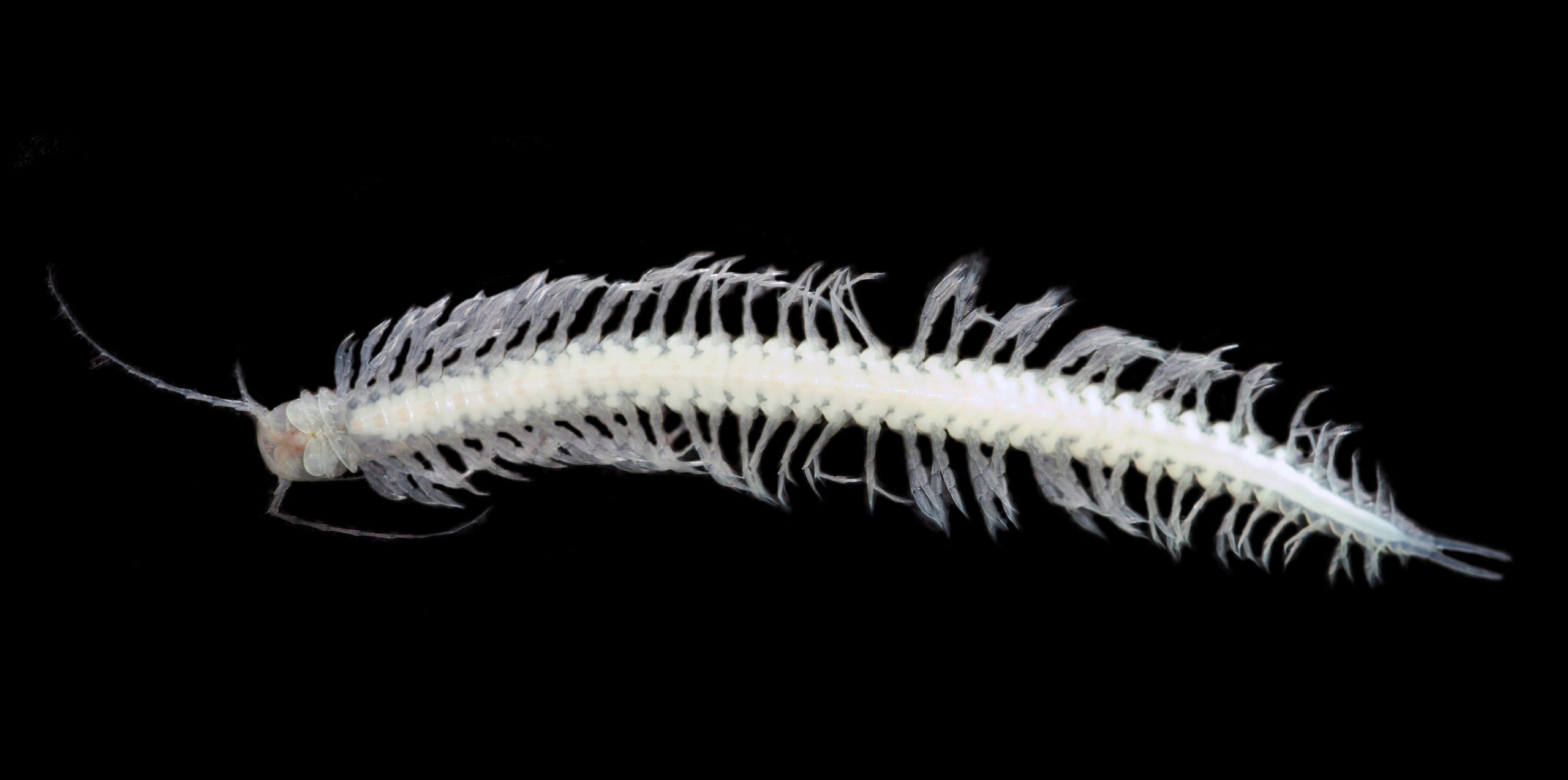
Venom from the marine remipede, Xibalbanus tulumensis, exhibits unique medical potential for treating neurological disorders, showcasing the importance of marine biodiversity in pharmacological research while facing environmental threats.
Many animals use venom for self-defense or hunting. The components of venom, known as toxins, affect a wide variety of physiological processes, making them particularly interesting for the development of new pharmacological agents. While the venoms of some animal groups, such as snakes, spiders, scorpions, and insects, have been extensively studied, the venom of marine animal groups remains largely unexplored. Data on marine venoms is limited to individual species, meaning there is significant untapped potential within this group.
Discovery of Venomous Crustaceans
Several years ago, researchers discovered venomous crustaceans, i.e. remipedes, which resemble centipedes and live in marine underwater caves. A multidisciplinary team led by Dr. Björn von Reumont, who first described the venom system in remipedes in 2014 and is currently a guest researcher at Goethe University Frankfurt, has now characterized a group of toxins from the Xibalbanus tulumensis remipede.
To that end, Reumont put together a team consisting of cooperation partners from Fraunhofer Institute for Translational Medicine (ITMP) within the framework of the LOEWE Center for Translational Biodiversity, as well as colleagues from the University of Leuven, from Cologne, Berlin, and Munich – all of them also part of the European Venom Network (COST Action EUVEN).
Potency and Potential of Remipede Toxins
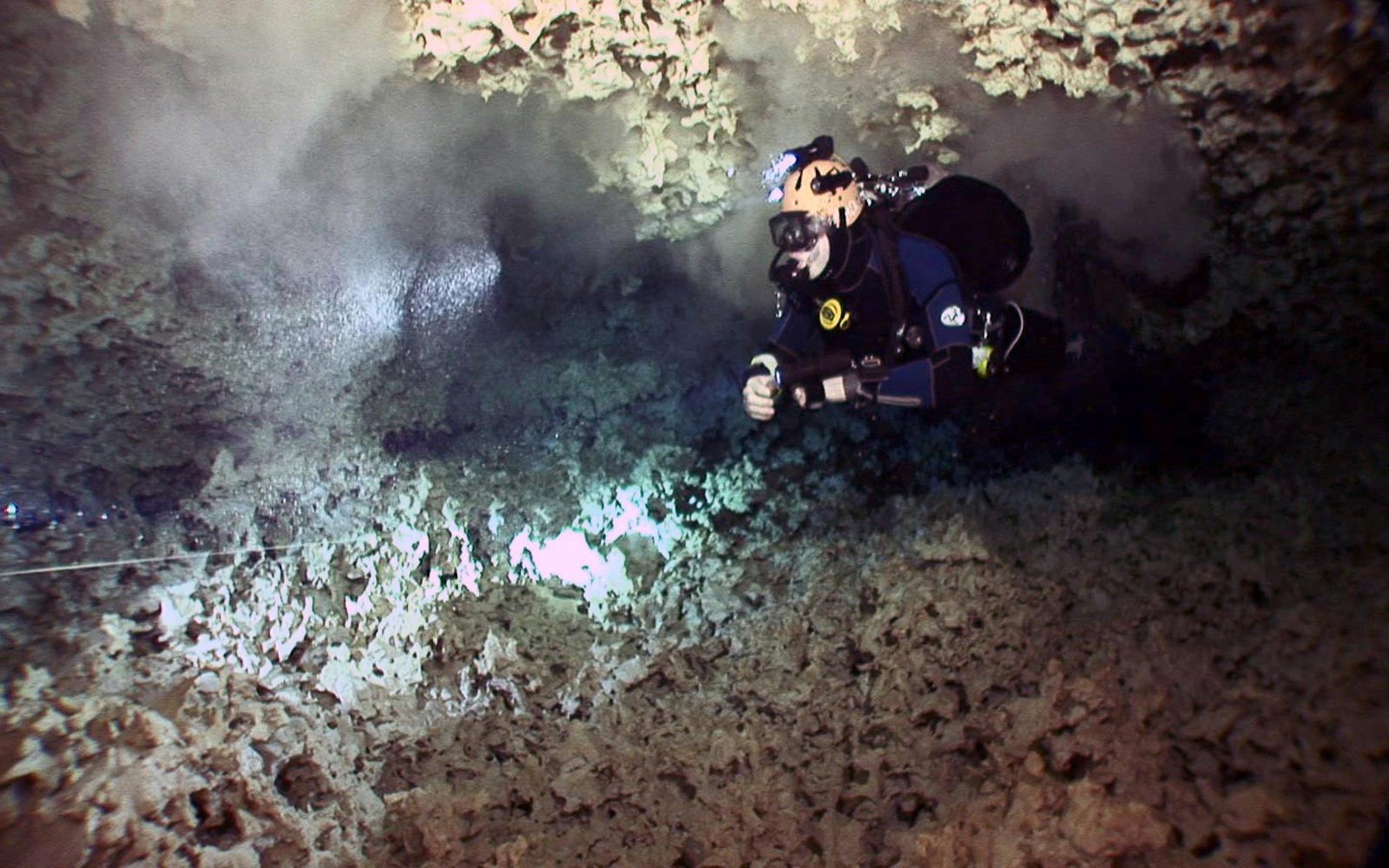
The Xibalbanus tulumensis remipede lives in the cenotes which are the underwater cave systems on the Mexican Yucatan peninsula. The cave dweller injects the venom produced in its venom gland directly into its prey. This toxin contains a variety of components, including a new type of peptide, named xibalbine, after its crustacean producer. Some of these xibalbines contain a characteristic structural element that is similar to other toxins, especially those produced by spiders: several amino acids (cysteines) of the peptide are bound to each other in such a manner that they form a knot-like structure. This in turn makes the peptides resistant to enzymes, heat, and extreme pH values. Such knottins often act as neurotoxins, interacting with ion channels and paralyzing prey – an effect that has also been proposed for some xibalbines.
The study shows that all the xibalbine peptides tested by the cooperation partners’ doctoral students – and in particular Xib1, Xib2, and Xib13 – effectively inhibit potassium channels in mammalian systems. “This inhibition is greatly important when it comes to developing drugs for a range of neurological diseases, including epilepsy,” says von Reumont. Xib1 and Xib13 also exhibit the ability to inhibit voltage-gated sodium channels, such as those found in nerve or heart muscle cells. In addition, in the sensory neurons of higher mammals, the two peptides can activate two proteins – kinases PKA-II and ERK1/2 – involved in signal transduction. The latter suggests that they are involved in pain sensitization, which opens up new approaches in pain therapy.
Conservation and Clinical Potential
Although the xibalbines’ bioactivity is exemplary of the untapped potential of marine biodiversity, the production of drugs from animal venoms is a complex and time-consuming process. “Finding suitable candidates and comprehensively characterizing their effects, thus laying the foundation for safe and effective drugs, is only possible today in a large interdisciplinary team, as in the case of our study,” says von Reumont.
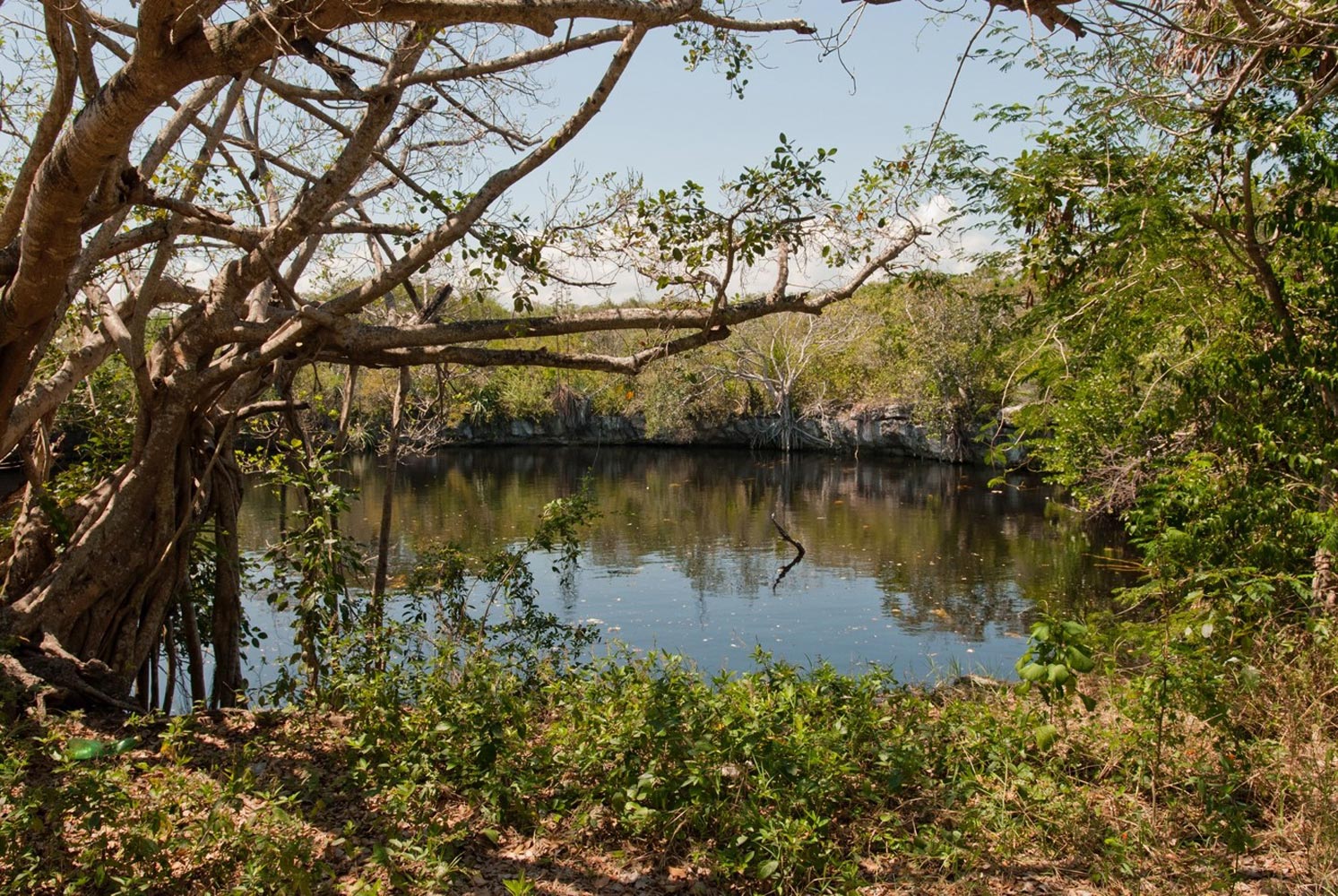
Making matters more difficult is the fact that time is of the essence for the remipedes. Their habitat is under serious threat from the construction of the Tren Maya intercity railroad network, which cuts straight through the Yucatan Peninsula. “The cenotes are a highly sensitive ecosystem,” explains von Reumont, who, as an experienced cave diver, has collected remipedes in Yucatan during several cave diving expeditions. “Our study highlights the importance of protecting biodiversity, not only for its ecological significance, but also for potential substances that could be of crucial importance to us humans.”
Reference: “Diversely evolved xibalbin variants from remipede venom inhibit potassium channels and activate PKA-II and Erk1/2 signaling” by Ernesto Lopes Pinheiro-Junior, Ehsan Alirahimi, Steve Peigneur, Jörg Isensee, Susanne Schiffmann, Pelin Erkoc, Robert Fürst, Andreas Vilcinskas, Tobias Sennoner, Ivan Koludarov, Benjamin-Florian Hempel, Jan Tytgat, Tim Hucho and Björn M. von Reumont, 29 July 2024, BMC Biology.
DOI: 10.1186/s12915-024-01955-5
Never miss a breakthrough: Join the SciTechDaily newsletter.
Follow us on Google and Google News.