
Close Menu
    Facebook X (Twitter) Instagram
    SciTechDaily
    • Biology
    • Chemistry
    • Earth
    • Health
    • Physics
    • Science
    • Space
    • Technology
    Facebook X (Twitter) Pinterest YouTube RSS
    SciTechDaily
    Home»Biology»Nano-Sized Factories Based on Bacteria Targeted for Biotech [Video]
    Biology

    Nano-Sized Factories Based on Bacteria Targeted for Biotech [Video]

    By Igor Houwat, Michigan State UniversityAugust 16, 2019No Comments3 Mins Read
    Facebook Twitter Pinterest Telegram LinkedIn WhatsApp Email Reddit
    Share
    Facebook Twitter LinkedIn Pinterest Telegram Email Reddit

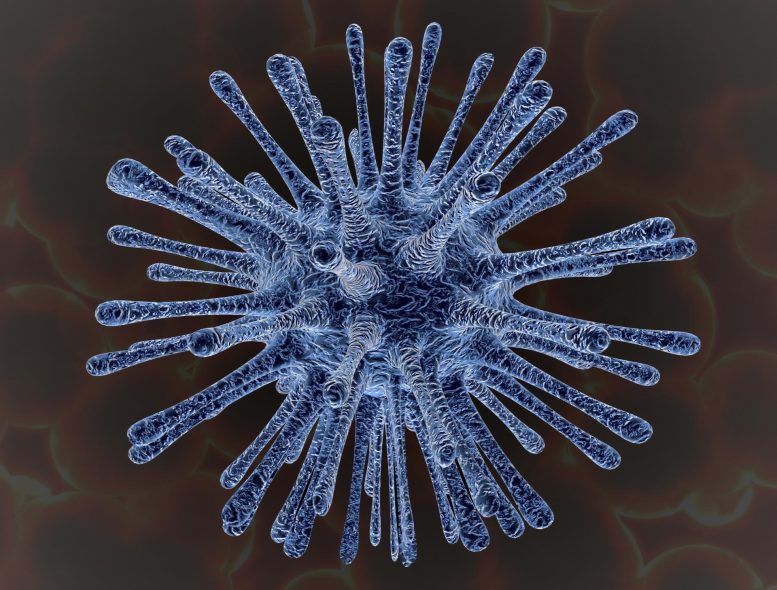
    Bacteria Cell

    The lab of Cheryl Kerfeld at Michigan State University has created a synthetic nano-sized factory, based on natural ones found in bacteria. This research could someday lead to new medical, industrial or bioenergy applications. 

    The new study is published in Metabolic Engineering.

    Natural nanofactories are found in bacteria all over the planet. Some make nutrients. Others sequester toxic materials that would otherwise make the bacteria sick — or even die. 

    But all factories share a common exterior, a shell made of protein tiles. Scientists want to design new factories, based on those found in bacteria naturally, for use in biotechnology. 

    One way to direct useful enzymes to these factories is by physically attaching them to the tail ends of the proteins that make up the factory shells. But there is a catch.

    The ends, or termini, of most shell protein tiles face the outside of a factory. So any molecules fused to the protein ends will end up on the outside surface and not the inside. This is a problem if the goal is to keep one or more enzymes inside a factory separated from the rest of the cell.

    “In order to send proteins to the inside of the factory, we needed a new kind of building block that still assembled into shells,” said Bryan Ferlez, a post-doctorate researcher in the Kerfeld lab. “We aimed to redesign a shell protein so its termini face the inside. The end result is that cargo connected to this shell protein would also end up inside the shell.”

    In the new study, the scientists take the most abundant shell protein, called BMC-H, and turn it ‘inside-out’ through a technique called circular permutation. 

    They shuffle segments of the amino acid sequence and glue the original ends together. They then introduce new termini on the inner face of the protein. The result is a new, synthetic shell protein that looks almost identical to its natural counterpart. Except now, both new ends face the inside of the shell.

    The new structure is a usable building block to construct factory shells. The scientists have successfully produced factory shells, with the new protein. They are similar in size and appearance to the original shells.

    The new structure can incorporate molecules inside the shell. The team tested the concept by fusing a fluorescent cargo protein to the new BMC-H protein. Microscopy and biochemical testing show the cargo on the inside of the shell.

    Scientists can control the amount of cargo imported into the new structure.

    “By making more or less of the new BMC-H protein with a fluorescent protein fused to its terminus, we were also able to control the amount of cargo that incorporates into the shell,” Ferlez said.

    Next, Ferlez wants to target ‘useful’ molecules into a synthetic factory made with the new shell protein.

    “We can start to build metabolic pathways, or assembly lines, and define the amounts and locations of enzymes within these nanofactories. Someday, we could use this system to enhance the production of rubber, biofuels, and other commodities,” Ferlez explained.

    Never miss a breakthrough: Join the SciTechDaily newsletter.
    Follow us on Google and Google News.

    Biotechnology Michigan State University Nanotechnology
    Share. Facebook Twitter Pinterest LinkedIn Email Reddit

    Related Articles

    Quantum Physics Helps Break DNA and Destroy Cancer Cells

    Lighting the Way to Folding Next-Level Origami: Transforming Proteins Into Custom-Made Structures

    Xenobots 2.0: Scientists Create the Next Generation of Living Robots

    Doorknobs That Naturally Destroys Viruses: Biomaterials Could Mean Better Vaccines, Virus-Fighting Surfaces

    Scientists Replicate Self-Cleaning Anti-reflective Nanocoating of Insects’ Eyes

    First Living Robots Created by Assembling Living Cells From Frogs Into Entirely New Life-Forms

    Elusive Photosynthesis Details Unlocked With Rapid X-Ray Pulses

    Breakthrough Technique Uses Nanoparticles to Combat Cancer Drug Resistance

    Researchers Use CRISPR-Carrying Nanoparticles To Edit Genomes

    Leave A Reply Cancel Reply

    • Facebook
    • Twitter
    • Pinterest
    • YouTube

    Don't Miss a Discovery

    Subscribe for the Latest in Science & Tech!

    Trending News

    Bone-Strengthening Discovery Could Reverse Osteoporosis

    Scientists Uncover Hidden Trigger Behind Stem Cell Aging

    Scientists Find Way to Reverse Fatty Liver Disease Without Changing Diet

    Could Humans Regrow Limbs? New Study Reveals Promising Genetic Pathway

    Scientists Reveal Eating Fruits and Vegetables May Increase Your Risk of Lung Cancer

    Scientists Reverse Brain Aging With Simple Nasal Spray

    Scientists Uncover Potential Brain Risks of Popular Fish Oil Supplements

    Scientists Discover a Surprising Way To Make Bread Healthier and More Nutritious

    Follow SciTechDaily
    • Facebook
    • Twitter
    • YouTube
    • Pinterest
    • Newsletter
    • RSS
    SciTech News
    • Biology News
    • Chemistry News
    • Earth News
    • Health News
    • Physics News
    • Science News
    • Space News
    • Technology News
    Recent Posts
    • Scientists Decode Mysterious Magnetic “Maze Domains” To Boost EV Efficiency
    • Scientists Say This Fungus Could Survive the Trip to Mars
    • The Universe Is Expanding Too Fast and Scientists Can’t Explain Why
    • Gaining Weight Young May Be More Dangerous Than You Think
    • Scientists Discover Hidden Pathway Inside Catalysts That Defies Decades of Assumptions
    Copyright © 1998 - 2026 SciTechDaily. All Rights Reserved.
    • Science News
    • About
    • Contact
    • Editorial Board
    • Privacy Policy
    • Terms of Use

    Type above and press Enter to search. Press Esc to cancel.