
Close Menu
    Facebook X (Twitter) Instagram
    SciTechDaily
    • Biology
    • Chemistry
    • Earth
    • Health
    • Physics
    • Science
    • Space
    • Technology
    Facebook X (Twitter) Pinterest YouTube RSS
    SciTechDaily
    Home»Space»NASA Dropping Cosmic Nicknames That May Be Considered Racially Insensitive – “We Must Make It Inclusive”
    Space

    NASA Dropping Cosmic Nicknames That May Be Considered Racially Insensitive – “We Must Make It Inclusive”

    By NASAAugust 8, 20207 Comments3 Mins Read
    Facebook Twitter Pinterest Telegram LinkedIn WhatsApp Email Reddit
    Share
    Facebook Twitter LinkedIn Pinterest Telegram Email Reddit
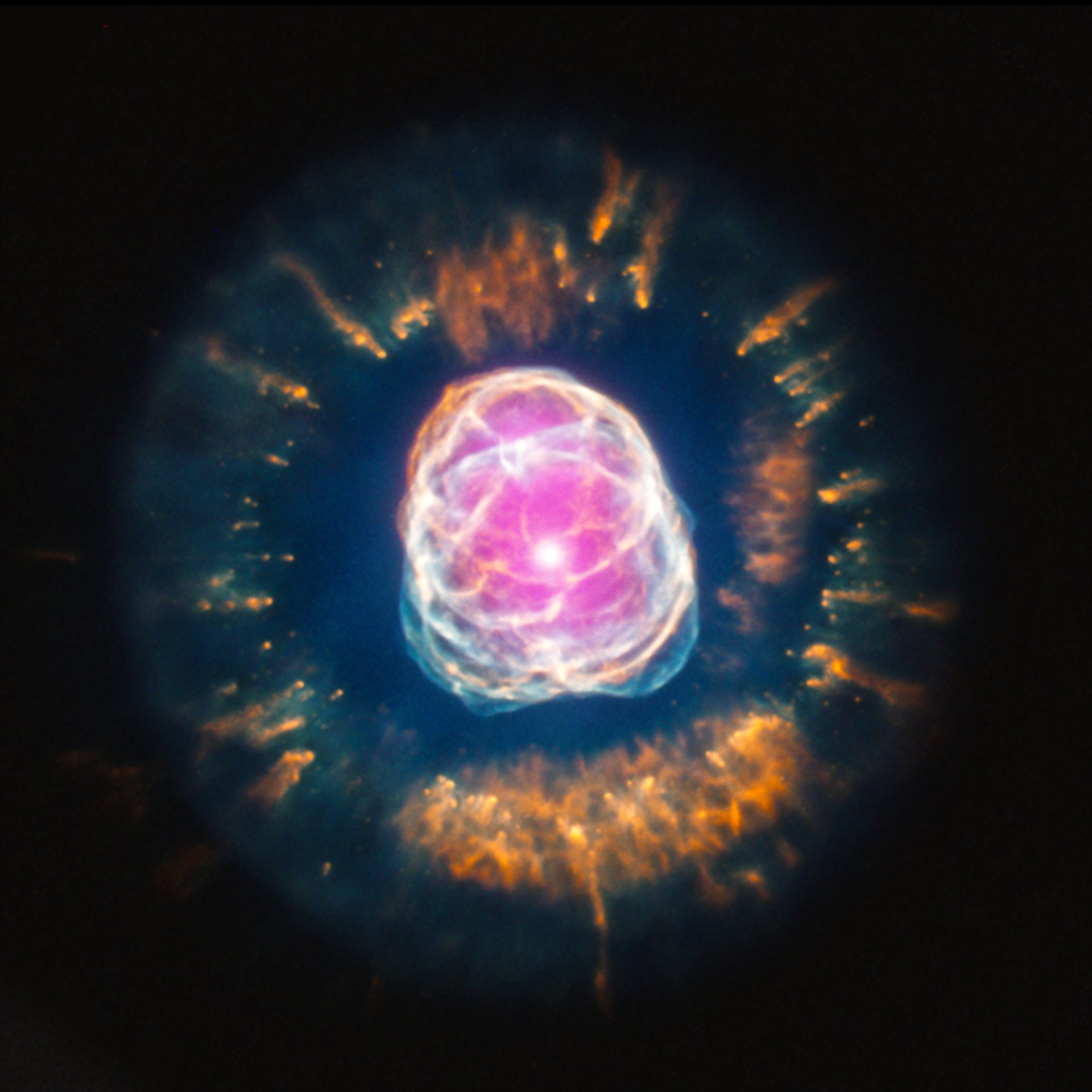
    Composite Image of Planetary Nebula NGC 2392
    As of August 1, 2020, NASA no longer refers to nebula NGC 2392 as the “Eskimo Nebula,” as it can be considered an insensitive and offensive term. Credit: X-ray: NASA/CXC/IAA-CSIC/N. Ruiz et al; Optical: NASA/STScI

    Distant cosmic objects such as planets, galaxies, and nebulae are sometimes referred to by the scientific community with unofficial nicknames. As the scientific community works to identify and address systemic discrimination and inequality in all aspects of the field, it has become clear that certain cosmic nicknames are not only insensitive, but can be actively harmful. NASA is examining its use of unofficial terminology for cosmic objects as part of its commitment to diversity, equity, and inclusion. 

    As an initial step, NASA will no longer refer to planetary nebula NGC 2392, the glowing remains of a Sun-like star that is blowing off its outer layers at the end of its life, as the “Eskimo Nebula.” “Eskimo” is widely viewed as a colonial term with a racist history, imposed on the indigenous people of Arctic regions. Most official documents have moved away from its use. NASA will also no longer use the term “Siamese Twins Galaxy” to refer to NGC 4567 and NGC 4568, a pair of spiral galaxies found in the Virgo Galaxy Cluster. Moving forward, NASA will use only the official, International Astronomical Union designations in cases where nicknames are inappropriate. 
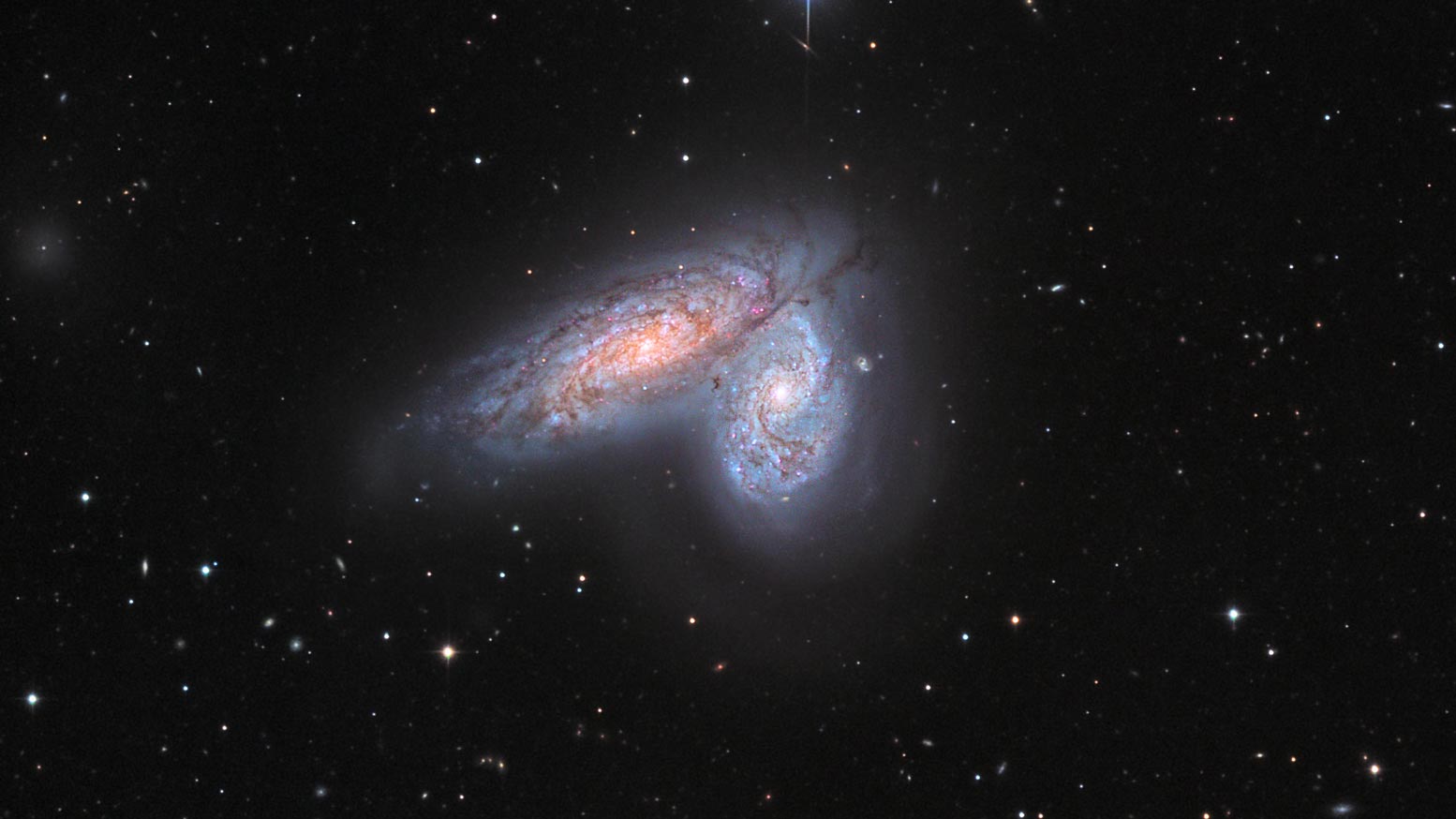
    Spiral Galaxy Pair NGC 4567 and NGC 4568
    Spiral galaxy pair NGC 4567 and NGC 4568 will no longer be referred to as the “Siamese Twins Galaxy” by NASA. Credit: CHART32 Team, Processing – Johannes Schedler

    “I support our ongoing reevaluation of the names by which we refer to astronomical objects,” said Thomas Zurbuchen, associate administrator of NASA’s Science Mission Directorate at Headquarters, Washington. “Our goal is that all names are aligned with our values of diversity and inclusion, and we’ll proactively work with the scientific community to help ensure that. Science is for everyone, and every facet of our work needs to reflect that value.”

    Nicknames are often more approachable and public-friendly than official names for cosmic objects, such as Barnard 33, whose nickname “the Horsehead Nebula” invokes its appearance. But often seemingly innocuous nicknames can be harmful and detract from the science. 

    The Agency will be working with diversity, inclusion, and equity experts in the astronomical and physical sciences to provide guidance and recommendations for other nicknames and terms for review.

    “These nicknames and terms may have historical or culture connotations that are objectionable or unwelcoming, and NASA is strongly committed to addressing them,” said Stephen T. Shih, Associate Administrator for Diversity and Equal Opportunity at NASA Headquarters. “Science depends on diverse contributions, and benefits everyone, so this means we must make it inclusive.”

    Never miss a breakthrough: Join the SciTechDaily newsletter.
    Follow us on Google and Google News.

    NASA
    Share. Facebook Twitter Pinterest LinkedIn Email Reddit

    Related Articles

    The Cosmic “Hand of God” Just Got Even Stranger

    NASA’s Parker Solar Probe Just Solved a 70-Year Solar Mystery

    NASA’s Perseverance Mars Rover Spots Bizarre Helmet-Shaped Rock and Mysterious Megaripples

    Hubble Reveals a Rare Interstellar Comet Racing at 130,000 MPH Through Our Solar System

    Stunning New NASA Perseverance Rover Images Show Mars Clearer Than Ever Before

    NASA Unveils Possible Building Blocks of Life on Saturn’s Moon Titan

    NASA’s Curiosity Mars Rover Just Got a Big Brain Upgrade

    NASA’s Webb May Have Found a Planet Next Door. Then It Vanished

    NASA’s Lunar Trailblazer Moon Mission Lost Just a Day After Launch

    7 Comments

    1. A Nel on August 9, 2020 7:06 am

      LMFAO, stop this BS before it’s too late.

      Reply
    2. Doc on August 9, 2020 11:25 am

      Our tax dollars should NOT be spent re-writing history or re-naming stars.

      Reply
    3. B Thompson on August 9, 2020 9:30 pm

      Pathetic!

      Reply
    4. B Thompson on August 9, 2020 9:44 pm

      The people in NASA who have made this decision have clearly not visited Alaska. Up there, the Eskimo Call *themselves* Eskimo. How do I know this? My wife and I visited Prudhoe Bay in 2015 and our guide on our trip out to the coast was one of the security staff, who told us that he is quarter Eskimo. He told us many things about First Nation life up on the North Slope and made the comment that, while “Inuit” is a Canadian term, the Alaskan locals call themselves Eskimo.
      Very disappointed with NASA. I expected better from them.

      Reply
    5. J V on August 10, 2020 5:56 am

      I have also traveled to Alaska more than 7 times in the last 20 years. Eskimos are proud of the fact that they are Eskimos!, what a waste of taxpayers dollars. Stop trying to rewrite history. Simply a pathetic try to appease the public…

      Reply
    6. Donald F. Switlick on August 10, 2020 6:35 am

      Black Hole. What do we call it now???

      Reply
    7. Bonnie Davis on August 10, 2020 12:16 pm

      Re-writing history is the worst insult of all. Let it stand as it is because the truth is far more important than pretending it did not happen.

      Reply
    Leave A Reply Cancel Reply

    • Facebook
    • Twitter
    • Pinterest
    • YouTube

    Don't Miss a Discovery

    Subscribe for the Latest in Science & Tech!

    Trending News

    Scientists May Have Solved a Long-Standing Melanoma Treatment Mystery

    This Flesh-Eating Fly Is Back in the U.S. – Scientists Are Tracking Where It Could Strike Next

    Scientists Have Uncovered a Troubling New Pattern Hidden in America’s Rivers

    “Entirely Surprising” – Scientists Have Found a Martian Meteorite Unlike Any Known Before

    “Find of the Year” – Archaeologists Discover the Smallest Ice Age Figurines Ever Found

    New Research Challenges Common Exercise Advice for Bone Health

    Avoiding These 3 Health Risks in Midlife Linked to 13 More Years Without Dementia

    Where Were All the Tiny Dinosaurs? Scientists May Finally Have an Answer

    Follow SciTechDaily
    • Facebook
    • Twitter
    • YouTube
    • Pinterest
    • Newsletter
    • RSS
    SciTech News
    • Biology News
    • Chemistry News
    • Earth News
    • Health News
    • Physics News
    • Science News
    • Space News
    • Technology News
    Recent Posts
    • The Ancient Mediterranean Diet Wasn’t What You Think
    • 11,000-Year-Old Grains Reveal a Surprise About the Origins of Agriculture
    • Lost Vatican Letter Recasts 1066 as a Holy War Against “Followers of Satan”
    • This Common Gut-Bacteria Compound May Be Linked to Alzheimer’s Disease
    • Scientists Are Discovering Unexpected Benefits of GLP-1 Drugs
    Copyright © 1998 - 2026 SciTechDaily. All Rights Reserved.
    • Science News
    • About
    • Contact
    • Editorial Board
    • Privacy Policy
    • Terms of Use

    Type above and press Enter to search. Press Esc to cancel.