
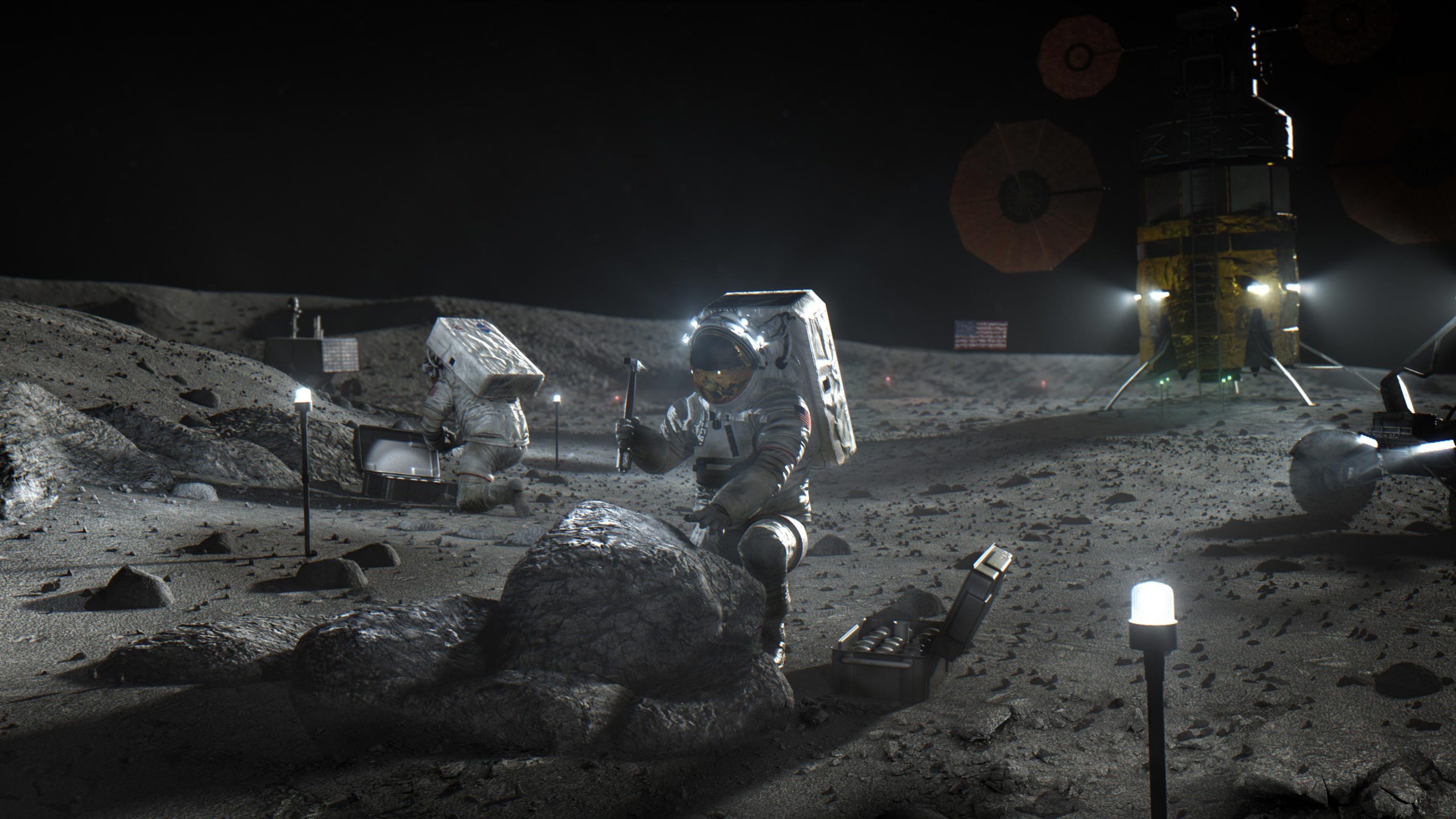
NASA has selected four U.S. small businesses to mature a range of technologies for sustainable exploration of the Moon under the Artemis program. Through Artemis, the first woman and next man will land on the Moon in 2024. Later in the decade, NASA and its partners will establish a sustainable presence on the Moon.
By awarding the companies with follow-on funds — an expected combined value of approximately $17 million — NASA’s small business program will accelerate the development of lunar technologies relevant to Artemis. The companies started maturing the technologies, and demonstrated their potential, under previous contracts from NASA’s Small Business Innovation Research and Small Business Technology Transfer (SBIR/STTR) program.
“Small businesses are integral to the development of space technology. With this new lunar sequential funding opportunity, they will advance in-situ resource utilization, laser communications, and other high-impact technologies for use on the Moon,” said Jim Reuter, associate administrator for NASA’s Space Technology Mission Directorate in Washington. “Each business has a track record of success with NASA, and we believe their technologies will have a direct impact on the Artemis program.”
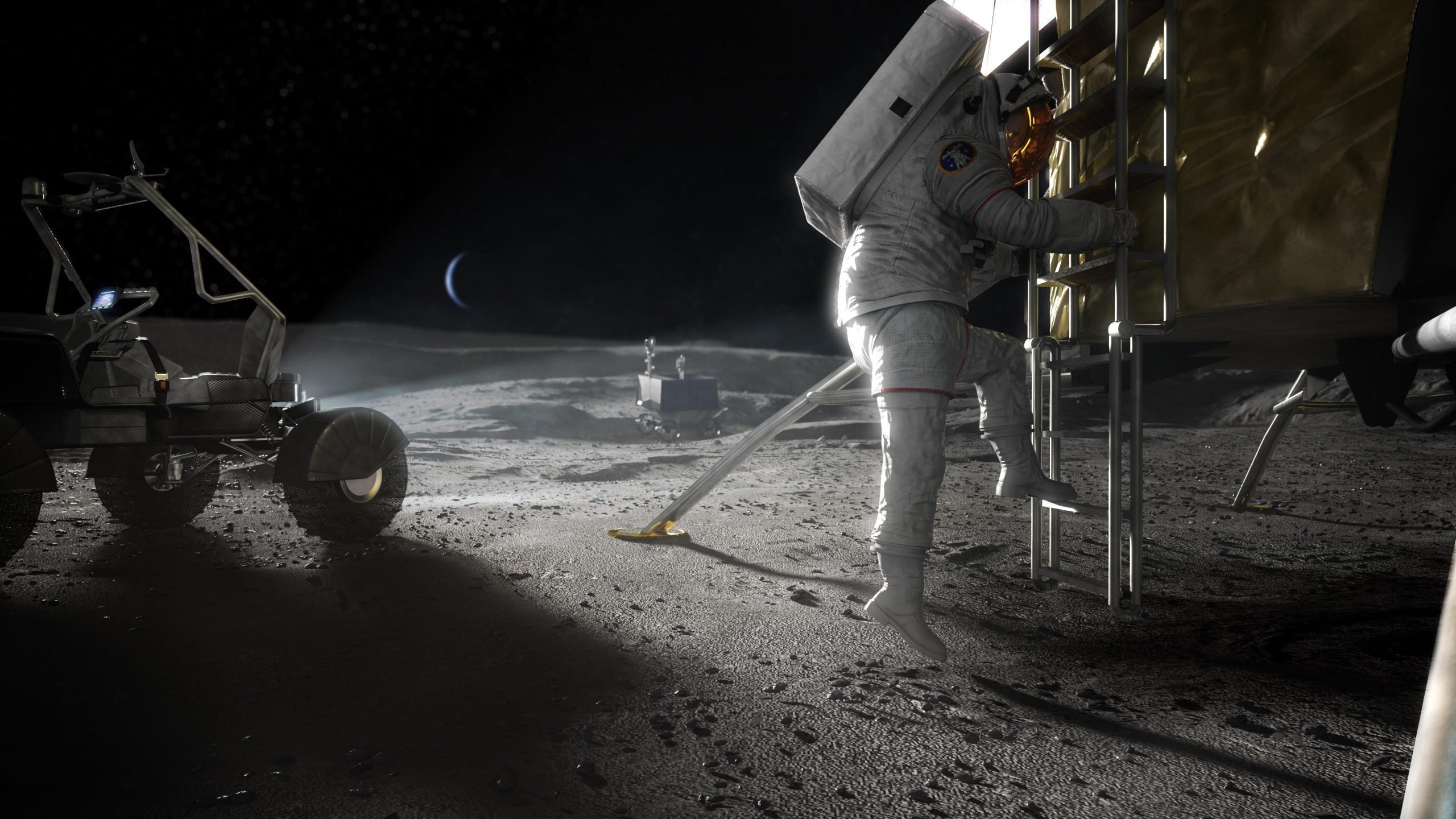
The selected companies and technologies are:
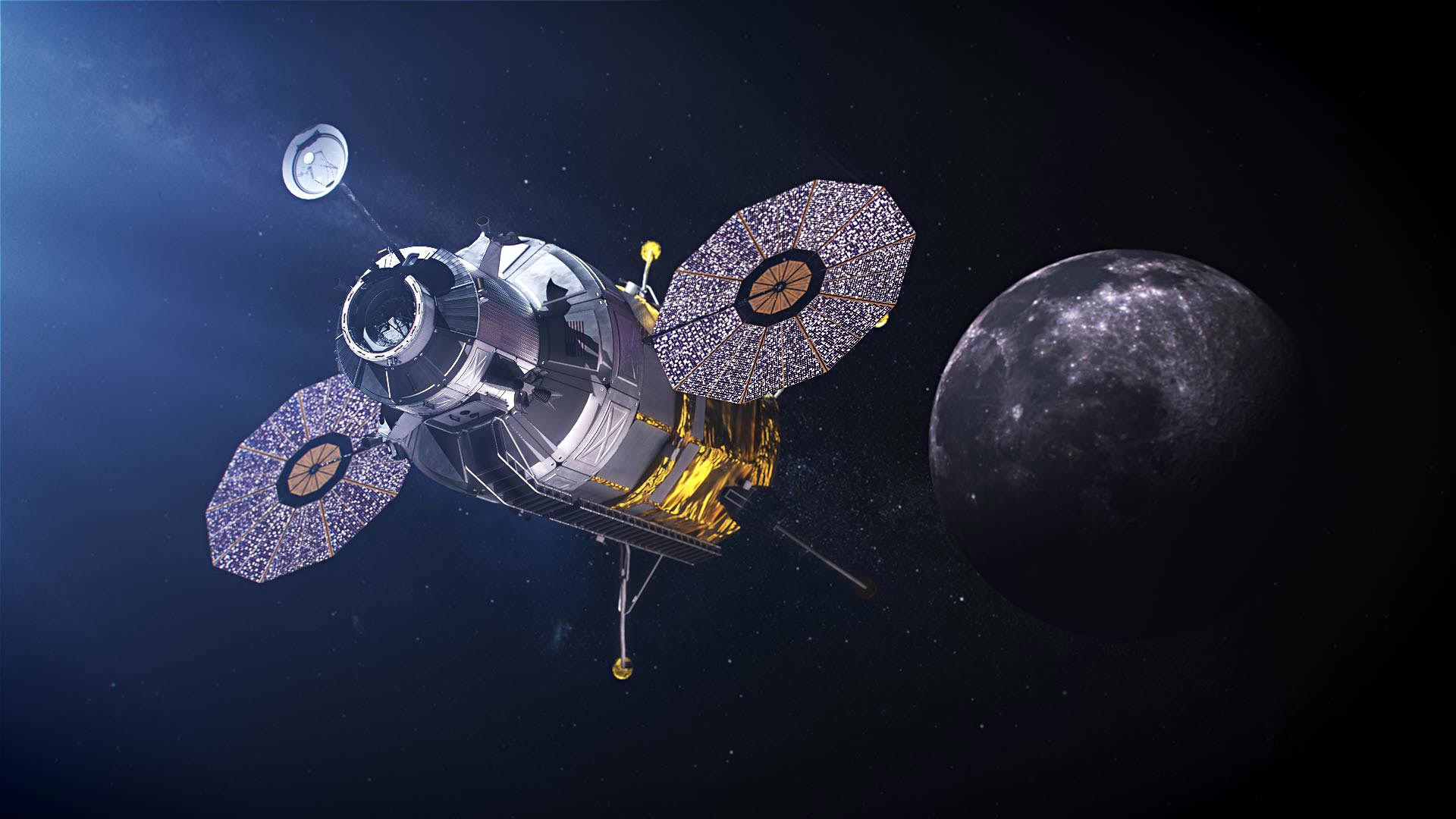
- Fibertek of Herndon, Virginia, will advance optical communications technologies for small spacecraft around the Moon and beyond. The system could establish high bandwidth communications in the vicinity of the Moon to relay vast amounts of data from lunar landers to Earth.
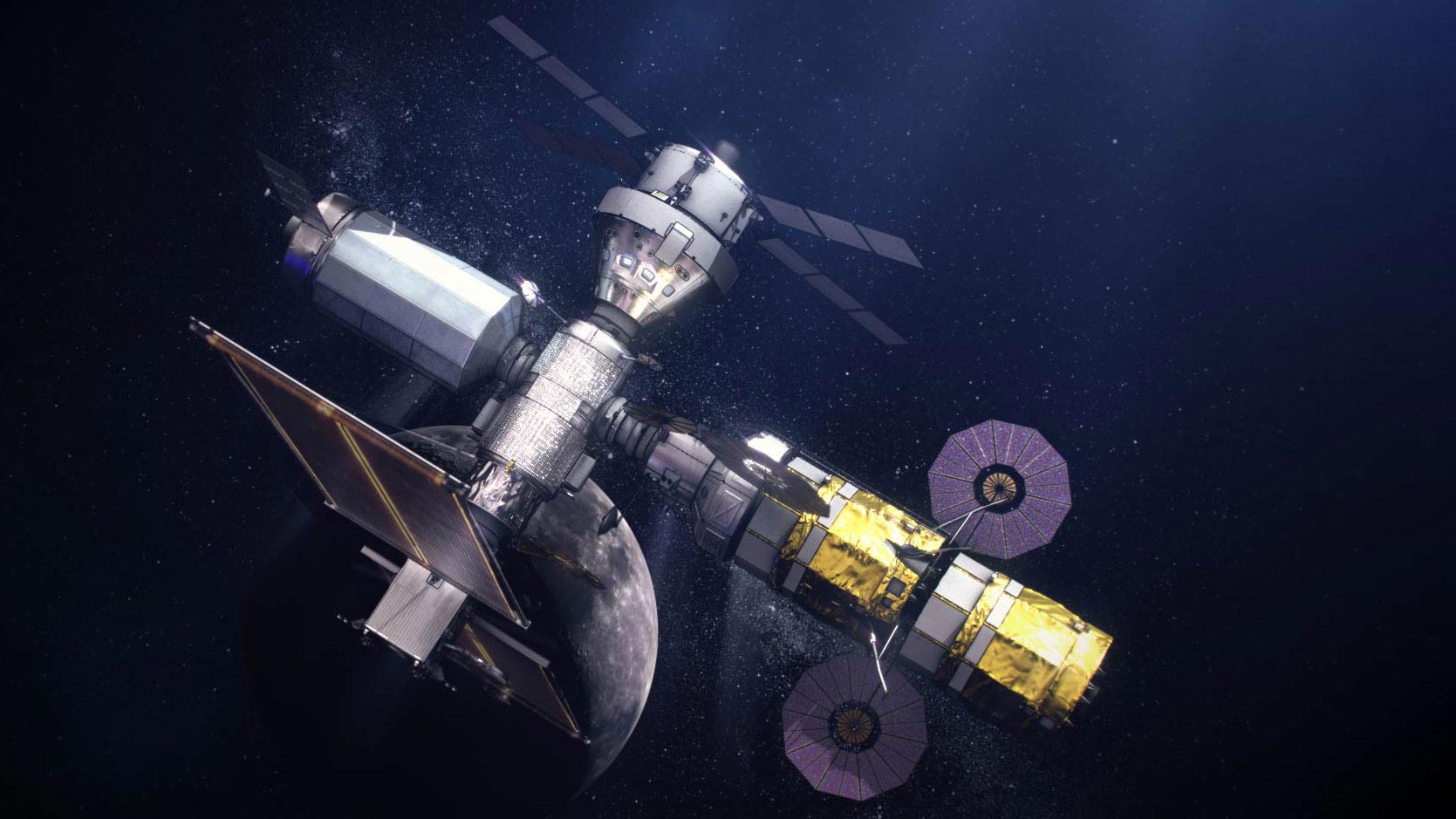
- Qualtech Systems of Rocky Hill, Connecticut, will mature autonomous systems capable of continuously monitoring and providing fault and health management for spacecraft such as Gateway, a future outpost around the Moon, whether there are astronauts aboard or not. Other potential exploration applications include space vehicles, surface systems, habitats, and rovers.
- Pioneer Astronautics of Lakewood, Colorado, will build and demonstrate hardware to produce oxygen and steel from lunar regolith, or soil. The technology would support sustainable lunar operations such as manufacturing using resources already on the Moon, also known as in-situ resource utilization.
- Protoinnovations of Pittsburgh will advance traction control and improve the driving ability of robotic and crewed rovers in unknown and highly variable terrain on the Moon.
The selections and forthcoming awards are part of the NASA SBIR program’s post-Phase II funding initiatives. They are designed to support small businesses past the standard Phase I and Phase II funding and promote transition for both infusion into NASA missions and commercialization into the aerospace industry and beyond. Individual awards are expected to be between $2.5 million and $5 million.
NASA’s SBIR/STTR program worked closely with other NASA programs to identify key technical challenges and risks for near-term mission requirements, demonstration possibilities, and infusion opportunities. In late 2019, NASA released a call for white papers to previous SBIR/STTR Phase II awardees to meet these needs. After reviewing the white papers, NASA invited select companies to submit full proposals. Additional calls for white papers and sequential awards to meet NASA’s needs are possible.
“The NASA SBIR/STTR program helps the agency reach its lunar goals,” said Program Executive Jenn Gustetic. “Our program is continuously developing ways to pilot new initiatives to help small businesses accelerate infusion into NASA missions and to invest in disruptive capabilities in emerging markets, increase the country’s competitive advantage, and generate opportunities for job creation across the country.”
As part of the proposal process, the companies also described potential use cases for their technologies on Earth. Proposed applications varied from improving all-terrain mobility in the construction, agriculture, and mining industries and offering new terrestrial steel production methods that may result in lower carbon emissions.
NASA’s SBIR/STTR program encourages small businesses to develop innovative ideas that meet the federal government’s specific research and development needs with the potential for commercialization. The program consists of three phases:
- Phase I is the opportunity to establish the scientific, technical, and commercial merit and feasibility of the proposed innovation. Phase I SBIR contracts last for six months with maximum funding of $125,000. Phase I STTR contracts last for 13 months with maximum funding of $125,000. Read NASA’s 2020 Phase I selection announcement.
- Phase II focuses on the development, demonstration, and delivery of the innovation. Phase II contracts last for 24 months with maximum funding of $750,000. Only small businesses awarded a Phase I contract are eligible to submit a proposal for a Phase II funding agreement.
- Post-Phase II supports the transition of technologies and promotes both infusions into NASA programs and the commercialization of these innovative technologies. Award amounts and length of contracts vary.
- Phase III is the commercialization of technologies, products, and services resulting from either an SBIR or STTR award. Sources other than the NASA SBIR/STTR program fund Phase III contracts.
The program is part of the agency’s Space Technology Mission Directorate and is managed by NASA’s Ames Research Center in California’s Silicon Valley.
Never miss a breakthrough: Join the SciTechDaily newsletter.
Follow us on Google and Google News.
1 Comment
It is worth investing when there is free money and there are no burdensome obligations — loans, mortgages, I also advise you to read more about HCR Wealth Advisors. Before the start of trading, you need to define your expectations, evaluate your own capabilities, and determine the acceptable risk. If you are afraid to lose — classic instruments in the form of stocks and bonds will be useful. Let’s assume the risk? You can try trading futures and options. Only by trial and error can you find your ideal combination, when both the process and the result are comfortable.