
Close Menu
    Facebook X (Twitter) Instagram
    SciTechDaily
    • Biology
    • Chemistry
    • Earth
    • Health
    • Physics
    • Science
    • Space
    • Technology
    Facebook X (Twitter) Pinterest YouTube RSS
    SciTechDaily
    Home»Space»NASA Reviews 12 Proposals for Future Unmanned Solar System Exploration
    Space

    NASA Reviews 12 Proposals for Future Unmanned Solar System Exploration

    By NASAMay 5, 20171 Comment2 Mins Read
    Facebook Twitter Pinterest Telegram LinkedIn WhatsApp Email Reddit
    Share
    Facebook Twitter LinkedIn Pinterest Telegram Email Reddit
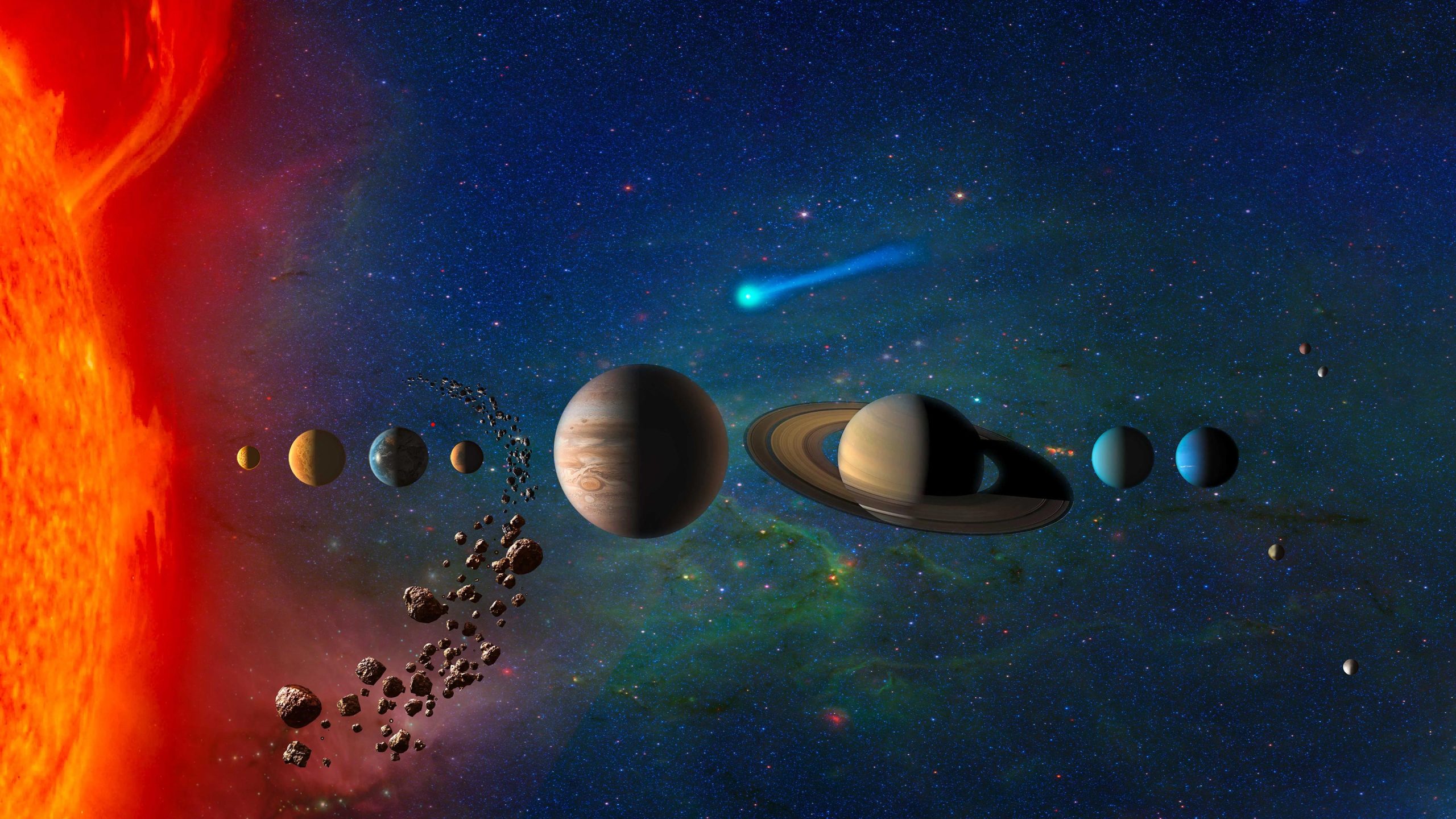
    NASA Solar System Illustration
    Artist’s impression of the Solar System. Credit: NASA/JPL-Caltech

    NASA is reviewing 12 proposals for a future unmanned mission that will launch in the mid 2020s. The proposed missions were submitted as part of NASA’s New Frontiers program and will undergo scientific and technical review over the next seven months. The goal is to select a mission for flight in about two years.

    “New Frontiers is about answering the biggest questions in our solar system today, building on previous missions to continue to push the frontiers of exploration,” said Thomas Zurbuchen, Associate Administrator for NASA’s Science Mission Directorate in Washington. “We’re looking forward to reviewing these exciting investigations and moving forward with our next bold mission of discovery.”

    Selection of one or more concepts for Phase A study will be announced in November. At the conclusion of Phase A concept studies, it is planned that one New Frontiers investigation will be selected to continue into subsequent mission phases. Mission proposals are selected following an extensive competitive peer review process.

    Investigations for this announcement of opportunity were limited to six mission themes:

    • Comet Surface Sample Return
    • Lunar South Pole-Aitken Basin Sample Return
    • Ocean Worlds (Titan and/or Enceladus)
    • Saturn Probe
    • Trojan Tour and Rendezvous
    • Venus In Situ Explorer

    The New Frontiers Program conducts principal investigator (PI)-led space science investigations in SMD’s planetary program under a development cost cap of approximately $1 billion.

    This would be the fourth mission in the New Frontiers portfolio; its predecessors are the New Horizons mission to Pluto, the Juno mission to Jupiter, and OSIRIS-REx, which will rendezvous with and return a sample of asteroid Bennu.

    New Frontiers Program investigations must address NASA’s planetary science objectives as described in the 2014 NASA Strategic Plan and the 2014 NASA Science Plan.

    The New Frontiers Program is managed by the Planetary Missions Program Office at the Marshall Space Flight Center for NASA’s Planetary Science Division.

    Never miss a breakthrough: Join the SciTechDaily newsletter.
    Follow us on Google and Google News.

    Astronomy Cosmology NASA Popular
    Share. Facebook Twitter Pinterest LinkedIn Email Reddit

    Related Articles

    Galactic Collision Captured in Stunning Detail: NASA’s Webb & Hubble Unite To Create Most Colorful View of Universe

    NASA Spots Giant Gathering of Galaxies Located 8.5 billion Light-Years Away

    Six New Images from the Chandra Archive Collection

    Evidence of Galaxy Star Birth Regulated by Black Holes

    New NASA Animation Follows Long, Strange Trip of Asteroid Bennu

    NASA Data Suggests Black Holes Abundant Among the Earliest Stars

    Fermi’s Motion Captured by Vela Pulsar Video

    WISE Spots Massive Distant Galaxy Cluster

    The Bolshoi Simulation: Boxing the Universe

    1 Comment

    1. hombre on May 27, 2017 4:57 pm

      a baby born today will be the age of about 60 yrs old when we touch the planet missions that are proposed provided they get the funding?

      Reply
    Leave A Reply Cancel Reply

    • Facebook
    • Twitter
    • Pinterest
    • YouTube

    Don't Miss a Discovery

    Subscribe for the Latest in Science & Tech!

    Trending News

    Stanford Scientists Discover a Remarkable Way To Rescue Dying Corals in Just Seven Weeks

    0 to 15 MPH in a Single Swipe: New Research Reveals How Ancient Giant Sea Monsters Ambushed Their Prey

    Late-Night Snacking Could Be Putting Your Liver at Risk

    40 Years of Superconductor Science Just Got Turned Upside Down by a Stunning Discovery

    A 50-Year-Old Mystery: Scientists Discover What May Have Killed Brazil’s Frogs

    Scientists Discover Exercise Changes the Body in Ways We Never Fully Understood

    Scientists Restore Memory in Mice With Alzheimer’s by Boosting a Single Brain Protein

    Scientists Create “Super Ice” That’s 10 Times Stronger and Rivals Concrete in Strength

    Follow SciTechDaily
    • Facebook
    • Twitter
    • YouTube
    • Pinterest
    • Newsletter
    • RSS
    SciTech News
    • Biology News
    • Chemistry News
    • Earth News
    • Health News
    • Physics News
    • Science News
    • Space News
    • Technology News
    Recent Posts
    • Researchers Find an Unexpected Benefit of Putting Sheep on Solar Farms
    • Scientists Discover a New Butterfly Species Hiding in Plain Sight
    • A Cave Full of Ancient Human Remains Has a Strange Secret: Where Are All the Males?
    • Common Chemicals Trigger Alarming Changes in Human Breast Tissue Models
    • A Deadly Virus Has Been Hiding in Brazil for 142 Years – and Scientists Just Uncovered a Hidden Danger
    Copyright © 1998 - 2026 SciTechDaily. All Rights Reserved.
    • Science News
    • About
    • Contact
    • Editorial Board
    • Privacy Policy
    • Terms of Use

    Type above and press Enter to search. Press Esc to cancel.