
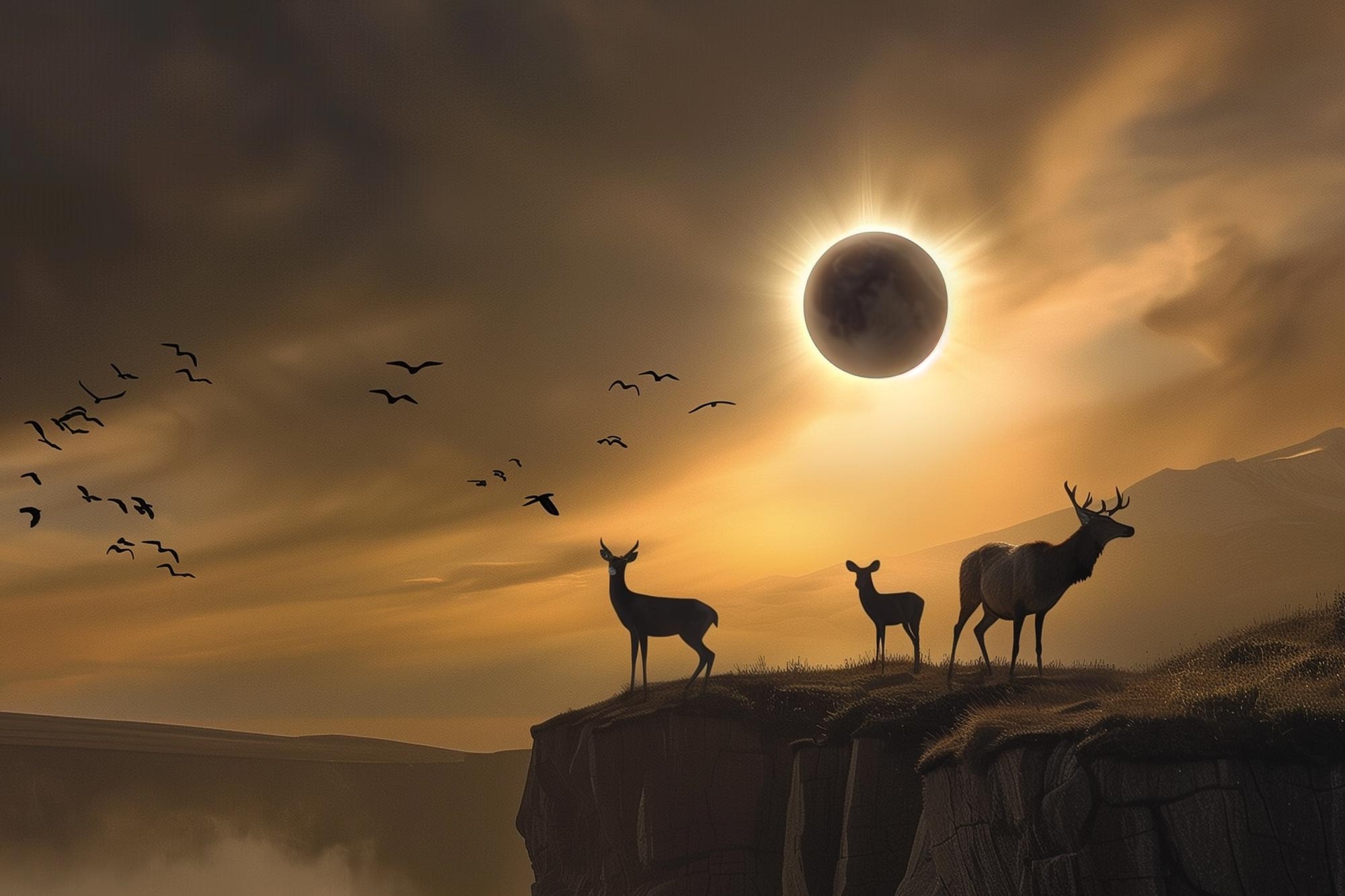
The NASA-funded Eclipse Soundscapes Project aims to study the effects of total solar eclipses on ecosystems by collecting public observations and audio data on April 8, 2024. It encourages wide participation to better understand animal behavior changes during eclipses.
When darkness sweeps across the landscape during a total solar eclipse, unusual things start happening. Fooled by the false dusk, birds stop singing, crickets start chirping, and bees return to their hives.
NASA’s Eclipse Soundscapes Project
Reports of these atypical animal behaviors date back centuries, but the effects of an eclipse on plant and animal life are not fully understood. So, on April 8, 2024, the NASA-funded Eclipse Soundscapes Project will collect the sights and sounds of a total solar eclipse with help from interested members of the public to better understand how an eclipse affects different ecosystems.
“Eclipses are often thought of as a visual event – something that you see,” said Kelsey Perrett, Communications Coordinator with the Eclipse Soundscapes Project. “We want to show that eclipses can be studied in a multi-sensory manner, through sound and feeling and other forms of observation.”
In April 2024, volunteers can join the Eclipse Soundscapes project to help NASA scientists better understand how wildlife is impacted by solar eclipses. Volunteers will gather sound recordings, make observations using any of their senses, and even help with data analysis from across the path of the eclipse. This video features interviews from Eclipse Soundscapes experts MaryKay Severino, Dr. William “Trae” Winter III, and Dr. William Oestreich, and highlights natural resource manager Dr. Chace Holzhueser at Hot Springs National Park in Arkansas, who will be conducting a similar study for the total solar eclipse on April 8, 2024. Credit: NASA’s Goddard Space Flight Center
The Science Behind the Darkness
A total solar eclipse occurs when the Moon passes directly in front of the Sun, blocking its light from reaching parts of the planet. In areas where the Sun’s light is completely blocked – known as the path of totality – it looks as if dusk has fallen, temperatures drop, and some stars become visible. These changes can trick animals into altering their usual daytime behaviors. A total solar eclipse will pass over the heads of over 30 million people in North America on April 8, 2024, providing the perfect opportunity for a large-scale citizen science project.
The Eclipse Soundscapes Project aims to replicate a similar study conducted by American scientist William M. Wheeler following a 1932 total solar eclipse that passed over the northeast reaches of Canada and the United States. The near-century-old study captured almost 500 observations from the public.
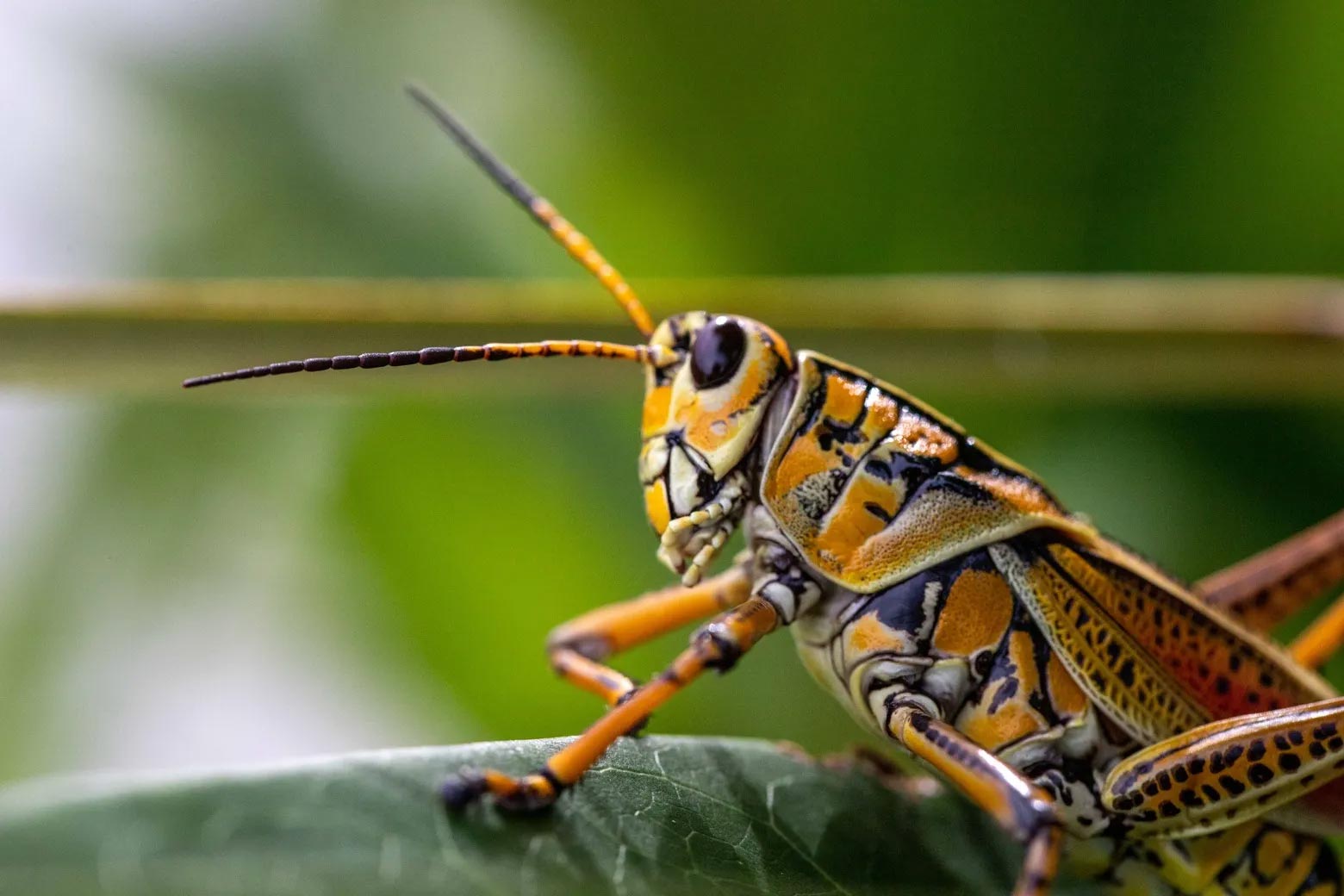
The Eclipse Soundscapes Project hopes modern tools will replicate and expand upon that study to better understand animal and insect behavior. This will be achieved through multisensory observations, such as audio recordings and written accounts of what is seen, heard, or felt during the eclipse. The project, which is particularly interested in learning about cricket behavior, aims to answer questions like do nocturnal and diurnal animals act differently or become more or less vocal during a solar eclipse?
“The more audio data and observations we have, the better we can answer these questions,” Perrett said. “Contributions from participatory scientists will allow us to drill down into specific ecosystems and determine how the eclipse may have impacted each of them.”
Participatory Science in Action
The Eclipse Soundscape project invites people to become involved with the study at all levels – from learning about eclipses online, to collecting multisensory observations and audio data, to analyzing the data – and in all locations, whether they’re on the path of totality or not. The project is open to people of all backgrounds and abilities. All project roles have been designed with accessibility in mind to invite people who are blind or have low vision to participate alongside their sighted peers.
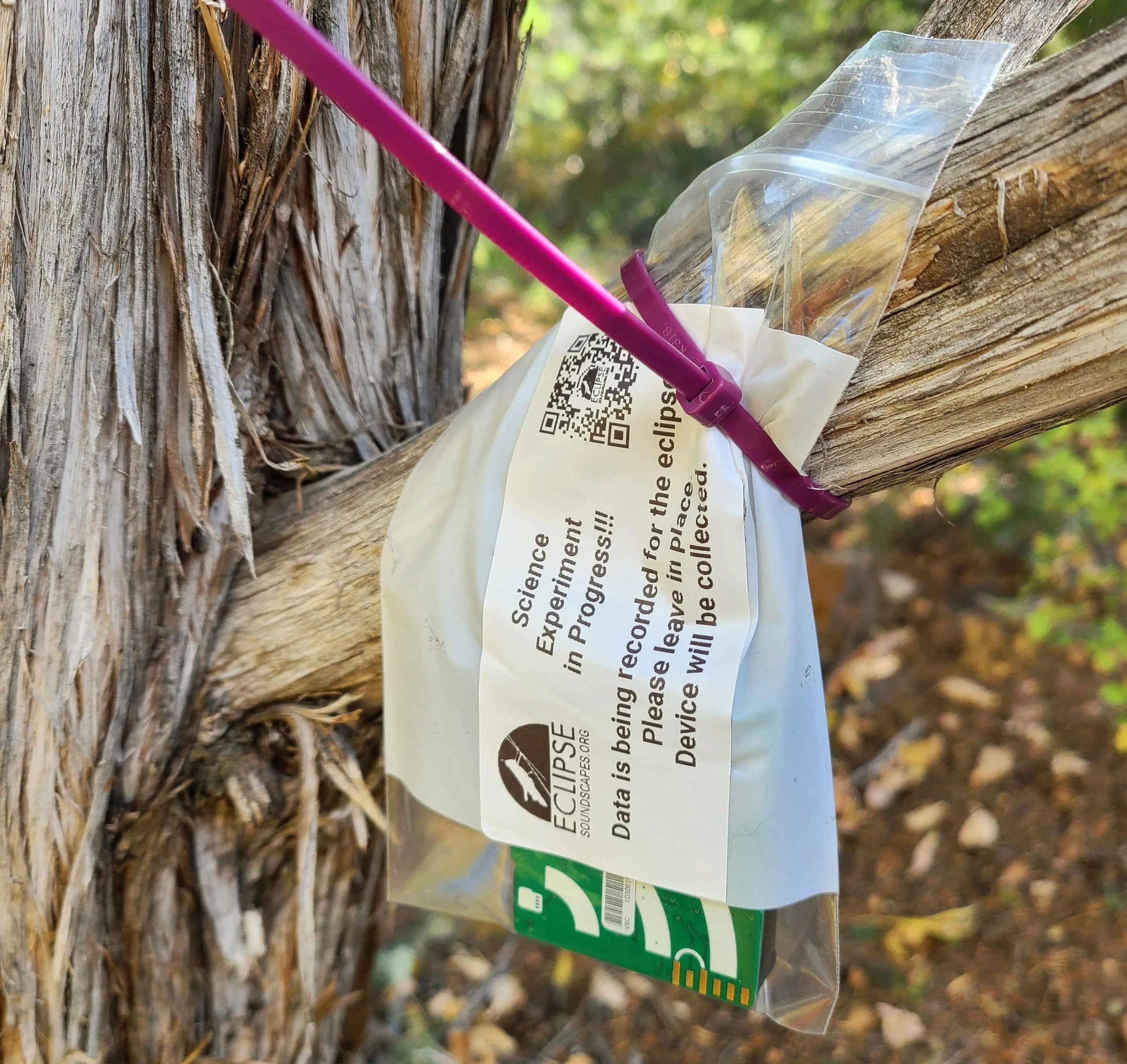
People on or near the path of totality can participate as “Data Collectors” by using an AudioMoth device, a low-cost audio recording device called equipped with a micro-SD card, to capture the sounds of an eclipse. People can also participate as “Observers” by writing down their multisensory observations and submitting them to the project website after the eclipse. Anyone with an internet connection, can participate as an “Apprentice” by learning about eclipses or as a “Data Analyst” to help analyze the audio data after the eclipse. After completing an Eclipse Soundscapes role, a downloadable certificate will be available.
“When it comes down to it, answering our science questions about how eclipses impact life on Earth depends entirely on the data that people volunteer to contribute,” Perrett said. “Our participants, including our project partners and facilitators, allow us to span the entire eclipse path and collect way more data than would be possible for just one small team.”
Never miss a breakthrough: Join the SciTechDaily newsletter.
Follow us on Google and Google News.