
NASA’s Space Telescope Live provides an interactive way to explore the most accurate, up-to-date, publicly available information on current, past, and upcoming observations by NASA’s Hubble and Webb space telescopes.
Identify, locate, and zoom into a map showing the latest target. Slew over to the next target and back to the previous one. Monitor the schedule. Take a look at the science instruments. Check on the status of yesterday’s observations. Dig into the research proposal. Click through the entire catalog of past Hubble and Webb observations.
Designed and developed by the Space Telescope Science Institute in Baltimore, Maryland, NASA’s Space Telescope Live provides insider access to current and upcoming observation details: not just what each telescope is looking at, but where the targets are in the sky, how the data are being gathered, and what questions researchers hope to answer.
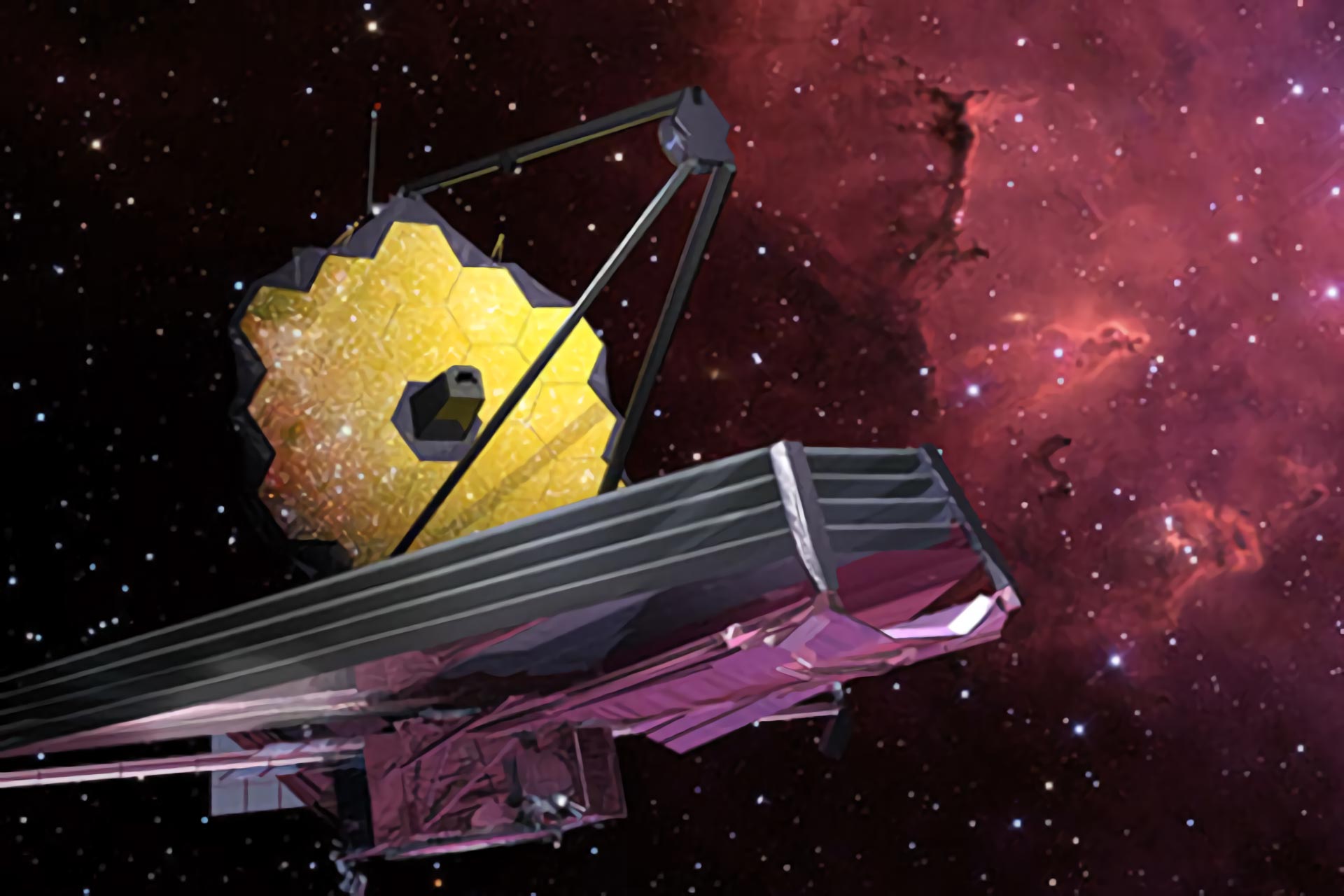
What Are Hubble and Webb Observing Right Now? NASA Tool Has the Answer
It’s not hard to find out what NASA’s Hubble and James Webb space telescopes have observed in the past. Barely a week goes by without news of a cosmic discovery made possible using images, spectra, and other data captured by NASA’s prolific astronomical observatories.
But what are Hubble and Webb looking at right this minute? A shadowy pillar harboring nascent stars? A pair of colliding galaxies? The atmosphere of a distant planet? Galactic light, stretched and distorted on a 13-billion-year journey across space?
NASA’s Space Telescope Live, a web application originally developed in 2016 to deliver real-time updates on Hubble targets, now affords easy access to up-to-date information on current, past, and upcoming observations from both Hubble and Webb.
Designed and developed for NASA by the Space Telescope Science Institute in Baltimore, this exploratory tool offers the public a straightforward and engaging way to learn more about how astronomical investigations are carried out.
With its redesigned user interface and expanded functionality, users can find out not only what planet, star, nebula, galaxy, or region of deep space each telescope is observing at the moment, but also where exactly these targets are in the sky; what scientific instruments are being used to capture the images, spectra, and other data; precisely when and how long the observations are scheduled to occur; the status of the observation; who is leading the research; and most importantly, what the scientists are trying to find out.
Information for observations from approved science programs is available via the Mikulski Archive for Space Telescopes. NASA’s Space Telescope Live offers easy access to this information – not only the current day’s targets, but the entire catalog of past observations as well – with Webb records dating back to its first commissioning targets in January 2022, and Hubble records all the way back to the beginning of its operations in May 1990.
The zoomable sky map centered on the target’s location was developed using the Aladin Sky Atlas, with imagery from ground-based telescopes to provide context for the observation. (Because the Hubble and Webb data must go through preliminary processing, and in many cases preliminary analysis, before being released to the public and astronomy community, real-time imagery is not available in this tool for either telescope.)
Details such as target name and coordinates, scheduled start and end times, and the research topic, are pulled directly from the observation scheduling and proposal planning databases. Links within the tool direct users to the original research proposal, which serves as a gateway to more technical information.
While this latest version of NASA’s Space Telescope Live constitutes a significant transformation from the previous release, the team is already gathering feedback from users and planning additional enhancements to provide opportunities for deeper exploration and understanding.
NASA’s Space Telescope Live is designed to work on desktop and mobile devices, and is accessible via NASA’s official Hubble and Webb websites. Additional details about the content, including public-friendly explanations of the information displayed in the tool, can be found in the User Guide.
The James Webb Space Telescope is the world’s premier space science observatory. Webb is solving mysteries in our solar system, looking beyond to distant worlds around other stars, and probing the mysterious structures and origins of our universe and our place in it. Webb is an international program led by NASA with its partners, ESA (European Space Agency) and the Canadian Space Agency.
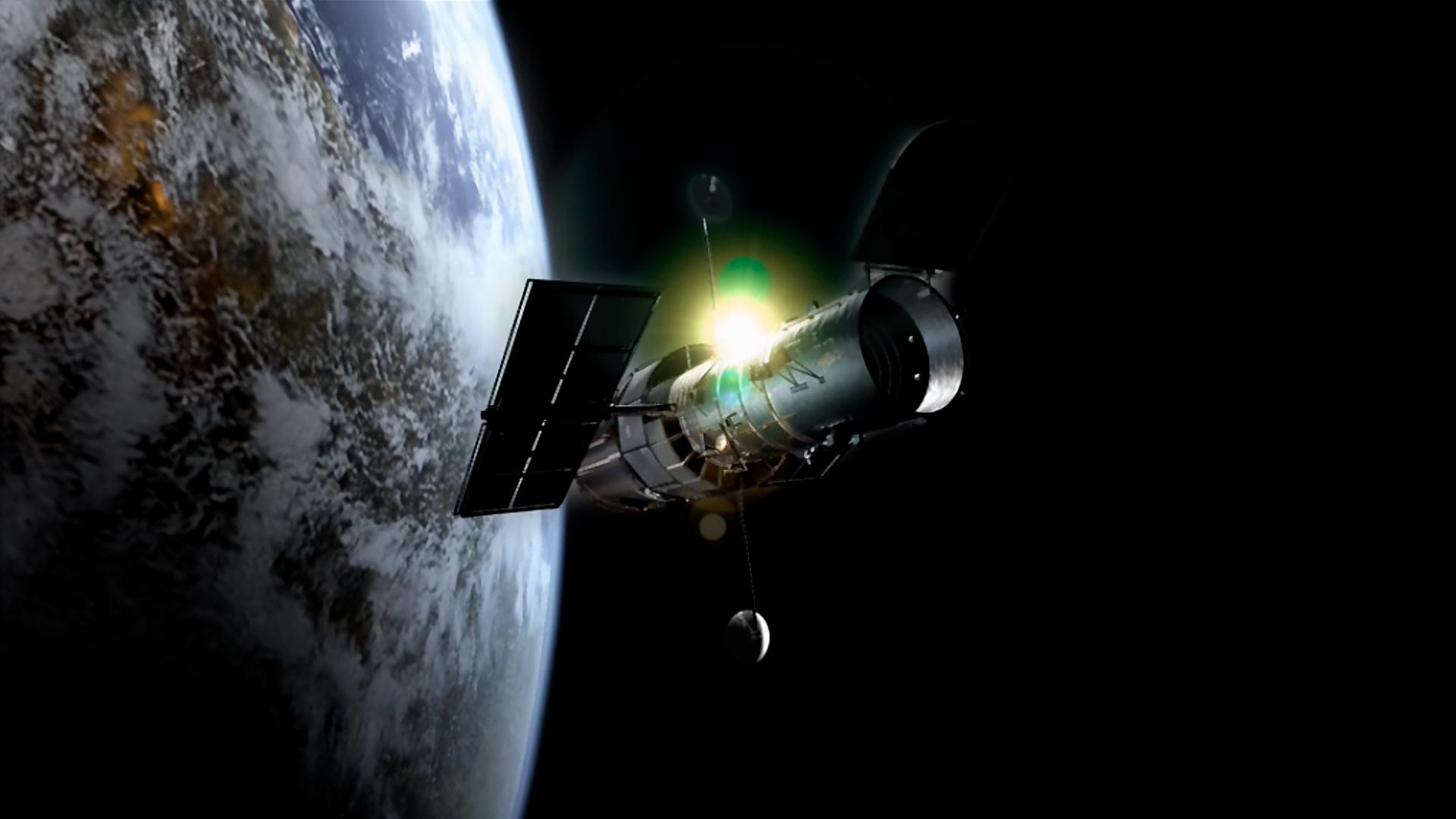
The Hubble Space Telescope has been operating for over three decades and continues to make ground-breaking discoveries that shape our fundamental understanding of the universe. Hubble is a project of international cooperation between NASA and ESA. NASA’s Goddard Space Flight Center in Greenbelt, Maryland, manages the telescope. Goddard also conducts mission operations with Lockheed Martin Space in Denver, Colorado. The Space Telescope Science Institute (STScI) in Baltimore, Maryland, conducts Hubble and Webb science operations for NASA.
Never miss a breakthrough: Join the SciTechDaily newsletter.
Follow us on Google and Google News.
1 Comment
So this is a better attempt at showing visually where Webb is looking … maybe I should comment.
The basic schedule tells me verbally a lot more about what relevant subjects it is investigating, such as exoplanets, planets, planetary disks, galaxies, nebulae.
https://www.stsci.edu/jwst/science-execution/observing-schedules