
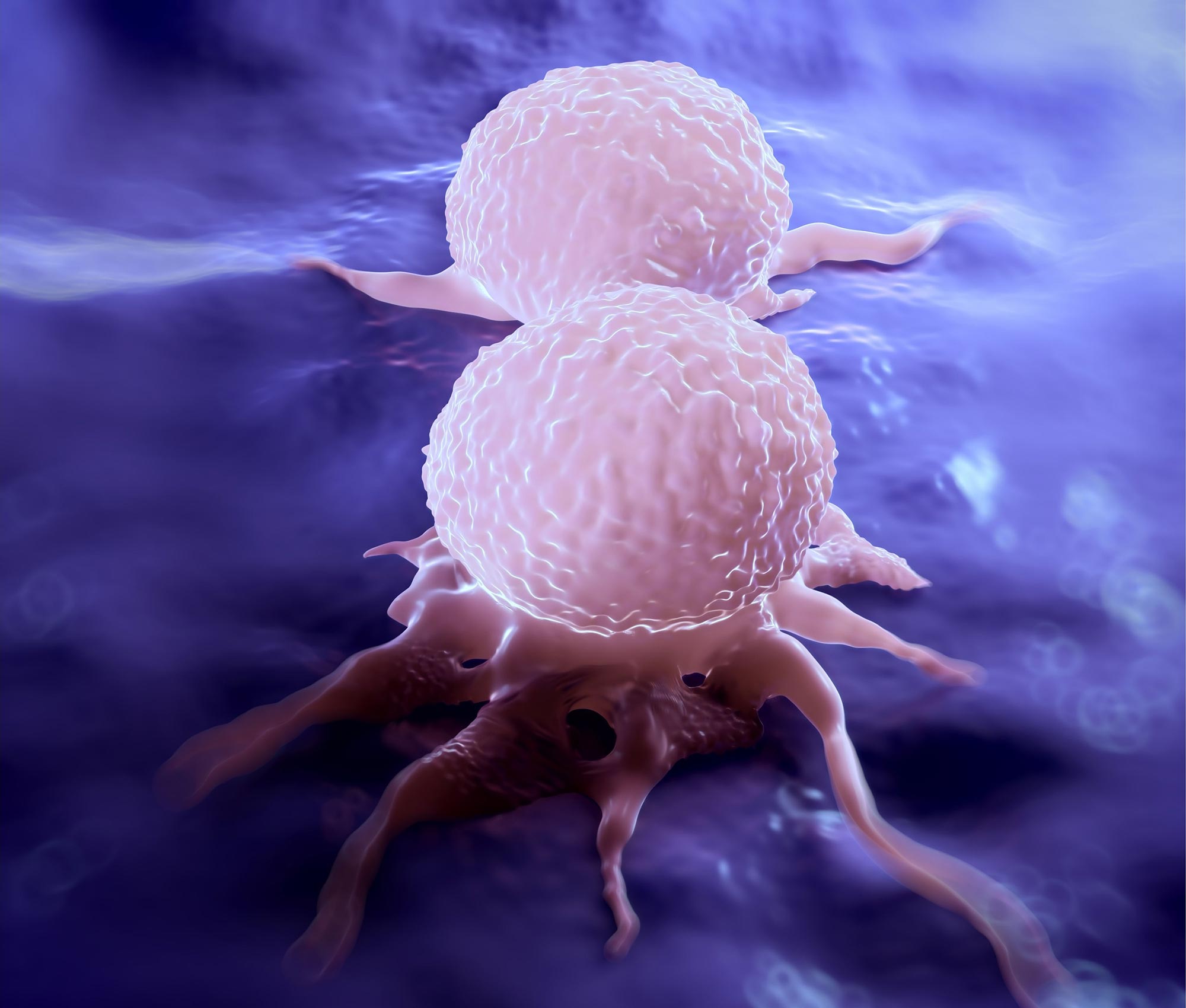
A breakthrough has made photodynamic therapy safer and more effective.
Scientists have developed new light-sensitive chemicals that could significantly enhance the treatment of aggressive cancers while minimizing side effects. In laboratory tests on mice, the therapy completely eliminated metastatic breast cancer tumors.
These newly developed compounds, known as cyanine-carborane salts, are detailed in a recent study published in Angewandte Chemie, a journal of the German Chemical Society.
The treatment builds on photodynamic therapy (PDT), a method that has been used for decades to treat skin and bladder cancers. PDT involves introducing light-sensitive chemicals into the body, where they accumulate in cancer cells. When exposed to light, these compounds activate and destroy the diseased cells.
The light causes the chemicals to generate highly reactive oxygen molecules – like tiny biochemical firecrackers – that break down cancer cells from the inside while leaving healthy cells unharmed.
It is a useful therapy with several drawbacks that limit its effectiveness, including prolonged light sensitivity, poor tissue penetration, and off-target toxicity. These drawbacks can prevent complete tumor eradication and may lead to a recurrence of the cancer.
A Multidisciplinary Effort to Overcome PDT’s Limitations
The multidisciplinary research team is composed of scientists from University of California, Riverside and Michigan State University, or MSU.
“Cyanine-carborane salts minimize these challenges, offering a safer, more precise way to destroy tumors completely while sparing healthy tissue,” said Professor Sophia Lunt, MSU cancer researcher and co-principal investigator of the project.

The researchers said current FDA-approved PDT chemicals remain in the body for extended periods of time. After treatment, patients have to stay in the dark for two to three months because even low levels of light will cause them to become blistered and burned.
In contrast, the researchers found that cyanine-carborane salts flush out of the body more quickly, remaining only in the cancer cells requiring treatment.
Targeted Treatment with Minimal Side Effects
Vincent Lavallo, UCR chemistry professor and co-prinicipal investigator, is an expert on the synthesis of carboranes.

“The most interesting thing is the targeting ability of this substance we made to go right where it’s needed and stay there while the rest passes through. That way you’ll only kill the cells right where the cancer is but not harm the patient,” Lavallo said.
Lavallo worked together with Richard Lunt, MSU endowed professor of chemical engineering, to develop the cyanine-carborane salts.
Unlike conventional PDT agents, the salts exploit a natural vulnerability in cancer cells. They’re taken up by proteins called OATPs that are overexpressed in tumors. This allows for precise targeting without the need for costly additional chemicals currently used with PDT to help target the cancer cells.
Traditional PDT is also limited in its ability to treat deep-seated tumors because it works with wavelengths of light that only penetrate a few millimeters into the body. Once inside cancer cells, cyanine-carborane salts can be activated by near-infrared light that is able to move deeper into tissues. This could expand the range of cancers that could be treated.
Given their success, researchers are encouraged to continue the research and try to expand the types of cancer therapies the salts can be used with. It may be possible to alter the salts so that they can be used with energy sources other than light that penetrate even more deeply into the body.
“Our work offers a targeted, safe, and cost-effective treatment for aggressive breast cancers with limited treatment options,” said Amir Roshanzadeh, paper first author and MSU cell & molecular biology graduate student. “It also opens the door to breakthroughs in other approaches for cancer therapy and targeted drug delivery.”
Reference: “Next-Generation Photosensitizers: Cyanine-Carborane Salts for Superior Photodynamic Therapy of Metastatic Cancer” by Amir Roshanzadeh, Hyllana C. D. Medeiros, Christopher K. Herrera, Carson Malhado, Anton W. Tomich, Steven P. Fisher, Sergio O. Lovera, Matthew Bates, Vincent Lavallo, Richard R. Lunt and Sophia Y. Lunt, 22 January 2025, Angewandte Chemie International Edition.
DOI: 10.1002/anie.202419759
Never miss a breakthrough: Join the SciTechDaily newsletter.
Follow us on Google and Google News.
4 Comments
Question
Is those therapy it’s available in USA? Or a mother part of world ?
Thank you
Eva
I bet only certain groups will get this kind of therapy, especially rich communities only
Where can o get this salt from?
Cures makes no money.They will never be a cure for cancer.Big pharmaceutical companies will never allow it, they will buy every cure patent.
Best you don’t eat factory food….
ultra -processing foods increases the risk of health issues like, cancer , diabetes, obesity and heart disease.
Fried foods , junkfood, foods with pesticides residue, hormones , antibiotics cause cancer, heart disease.