
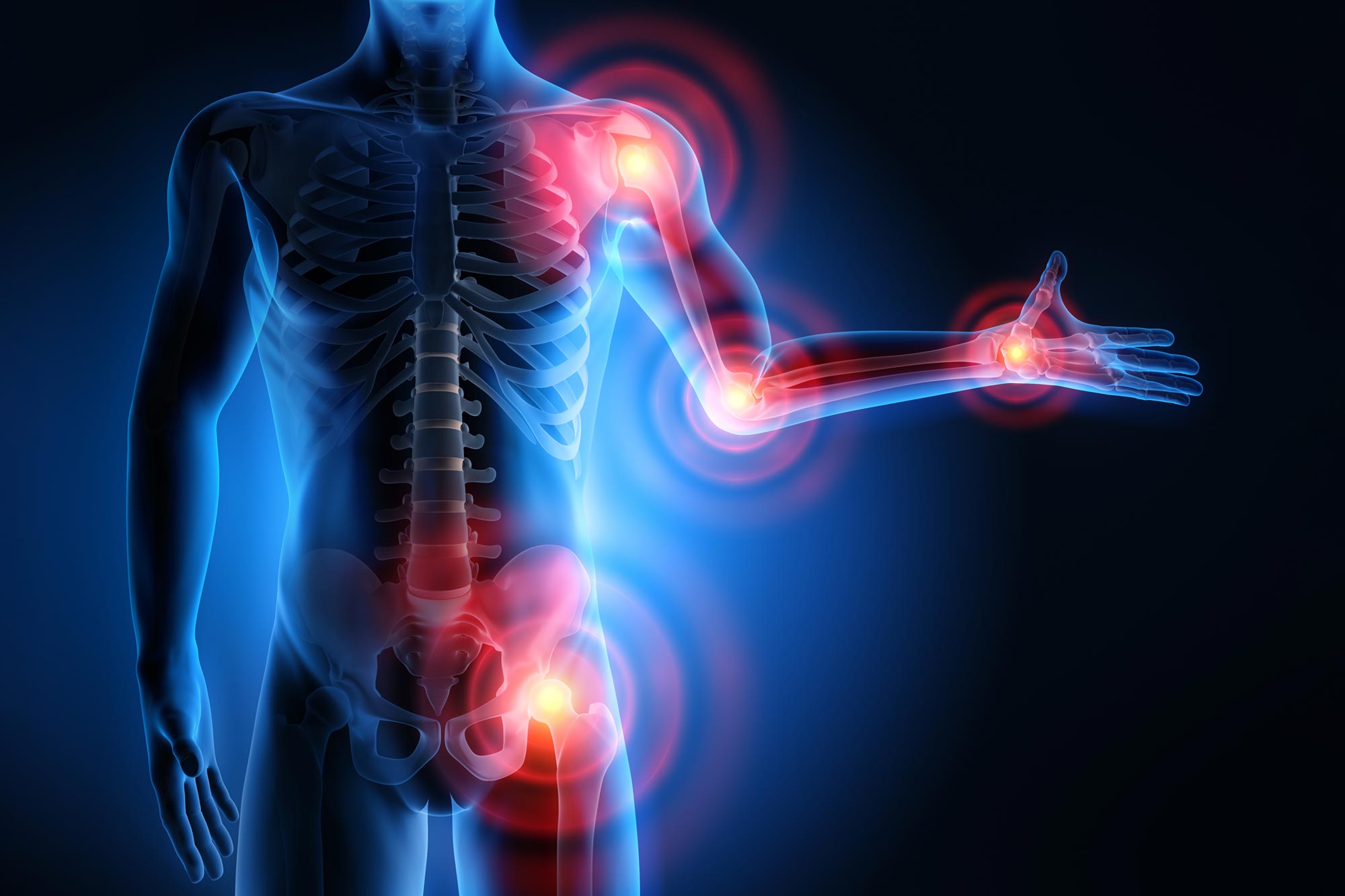
A new Oxford calculator predicts an individual’s risk of serious statin-related muscle disorders, helping patients make more personalized treatment decisions.
Researchers at the University of Oxford have developed a calculator that estimates a person’s individual risk of developing serious muscle disorders from statins, offering a more personalized way to weigh the benefits and risks of these widely used cholesterol-lowering medications. The tool is designed to help patients and doctors make better informed decisions about statin treatment, which is commonly used to reduce the risk of heart attacks and strokes.
The research, published in The Lancet Digital Health, found that more than 98% of people identified by their GPs as eligible for statins were predicted to have a low risk of developing serious muscle disorders over the next 10 years. The finding is notable because concerns about muscle-related side effects remain one of the biggest reasons many people hesitate to start or continue statin therapy.
The study also uncovered a significant treatment gap. More than 60% of people who qualified for statin treatment were not taking the medication, even though some faced a high risk of heart attack or stroke. Researchers say the new calculator could improve conversations between patients and clinicians by providing personalized risk estimates instead of relying on general statistics or fears about side effects.
Built Using Data From More Than 5.6 Million People
The calculator, available through the Oxford University Innovation software store, is based on a clinical prediction model created and validated using anonymized health records from more than 5.6 million people registered with GP practices across England.
Researchers developed the model using data from more than 1.7 million people and then tested its accuracy with another 3.9 million patient records.
To estimate an individual’s risk of serious muscle disorders over one, five, and 10 years, the model analyzes 22 routinely collected health factors. These include age, sex, ethnicity, body mass index, smoking status, existing medical conditions, previous muscle problems, vitamin D deficiency, medication use, and statin prescriptions.
The researchers expect the calculator to be used alongside cardiovascular risk tools such as QRISK. Together, these tools could help patients and clinicians compare the benefits of preventing heart attacks and strokes with the potential risk of serious muscle disorders when deciding whether statin treatment is appropriate.
Putting Statin Side Effect Concerns Into Perspective
Statins are among the most commonly prescribed medications for lowering the risk of heart attacks and strokes. However, worries about possible side effects, especially muscle problems, often discourage people from taking them, even when the potential health benefits are substantial. The researchers say the new calculator can help place those concerns into better perspective by providing individualized estimates of risk.
Importantly, the study focused only on serious muscle disorders that resulted in hospital admission or death. It did not examine common muscle aches and pains, which are generally much less severe. Previous research has shown that many mild muscle symptoms reported while taking statins are not actually caused by the medications and should not prevent people from beginning treatment. Although serious muscle disorders are rare, understanding a person’s individual level of risk remains an important part of balancing the potential benefits and harms of statin therapy.
Dr. Ting Cai, Research Fellow in the Nuffield Department of Primary Care Health Sciences, University of Oxford, and lead author of the study, said:
“Serious muscle disorders are one of the most widely discussed concerns about statins, but our findings suggest that the risk is very low for the vast majority of people who may benefit from treatment. Understanding a person’s risk can help put those concerns into perspective, support more informed treatment decisions and provide reassurance. For the small number of people at higher risk, it gives clinicians a clearer basis for discussing monitoring, checks or alternative treatment options.”
Balancing Benefits and Risks
Professor James Sheppard, Professor of Primary Care Research at the University of Oxford and a senior author of the study, said:
“Treatment decisions are often based on estimates of a person’s future cardiovascular risk, but much less information is available about their individual risk of adverse outcomes. This research helps address that gap by providing a way to estimate a person’s risk of serious muscle disorders alongside their cardiovascular risk. Bringing those two pieces of information together could support more personalized and better-informed decisions about statin treatment.”
Professor Constantinos Koshiaris, Assistant Professor of Medical Statistics at the University of Nicosia Medical School and a senior author of the study, said:
“Clinical decisions are often based on estimates of potential benefit, but understanding potential harms is equally important. This model provides a way to quantify that risk at an individual level, helping support more balanced discussion about treatment options.”
By estimating risk for each individual rather than relying on population averages, the researchers hope the calculator will help patients and clinicians make more confident, personalized decisions about statin treatment and cardiovascular disease prevention.
The online tool, called the STRATIFY-StatinMD Risk Calculator, is available through the Oxford University Innovation software store for academic use.
Reference: “Predicting the risk of serious muscle disorders in individuals eligible for statin treatment in England: derivation and validation of a clinical prediction model” by Ting Cai, Jennifer A Hirst, Brian D Nicholson, Richard J McManus, F D Richard Hobbs, James P Sheppard and Constantinos Koshiaris, 25 June 2026, The Lancet Digital Health.
DOI: 10.1016/j.landig.2026.101024
Funding: This study was funded by a British Heart Foundation PhD Scholarship (ref: FS/19/13/34235). James Sheppard and Constantinos Koshiaris were supported by the Wellcome Trust and the Royal Society (Sir Henry Dale Fellowship, ref: 211182/Z/18/Z) and the National Institute for Health and Care Research (NIHR) School for Primary Care Research. Richard McManus was supported by an NIHR Senior Investigator award. Richard Hobbs was partially supported by the NIHR Applied Research Collaboration Oxford and Thames Valley.
Never miss a breakthrough: Join the SciTechDaily newsletter.
Follow us on Google and Google News.