
Close Menu
    Facebook X (Twitter) Instagram
    SciTechDaily
    • Biology
    • Chemistry
    • Earth
    • Health
    • Physics
    • Science
    • Space
    • Technology
    Facebook X (Twitter) Pinterest YouTube RSS
    SciTechDaily
    Home»Space»NASA Just Found a Clever Way To Keep Voyager 2 Alive in Deep Space
    Space

    NASA Just Found a Clever Way To Keep Voyager 2 Alive in Deep Space

    By Jet Propulsion LaboratoryAugust 17, 2026No Comments2 Mins Read
    Facebook Twitter Pinterest Telegram LinkedIn WhatsApp Email Reddit
    Share
    Facebook Twitter LinkedIn Pinterest Telegram Email Reddit
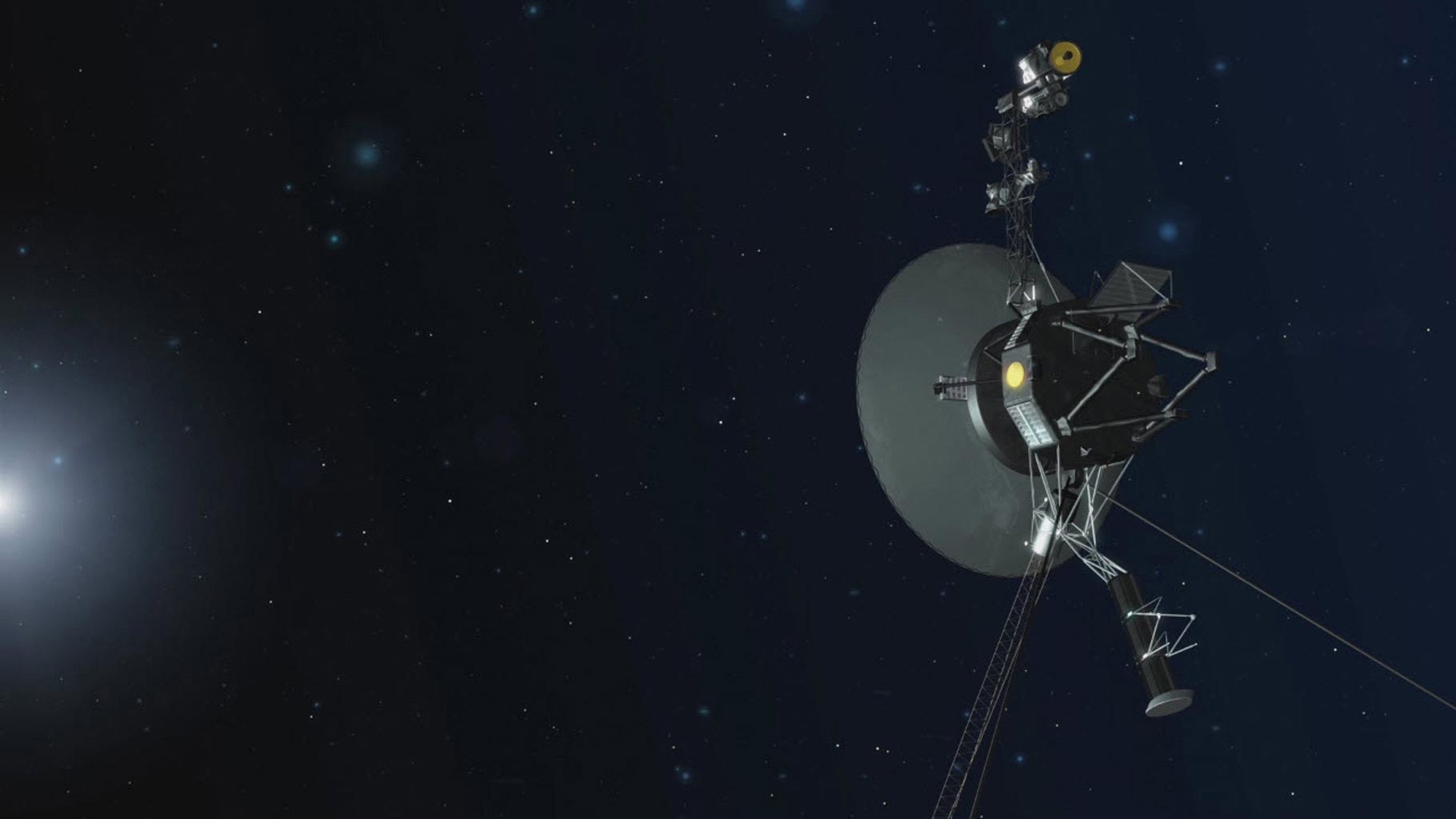
    NASA Voyager Spacecraft Entering Interstellar Space
    This artist’s concept shows one of NASA’s Voyager spacecraft entering interstellar space, or the space between stars. This region is dominated by plasma ejected by the death of giant stars millions of years ago. Hotter, sparser plasma fills the environment inside our solar bubble. Credit: NASA

    Nearly 50 years after launch, NASA has found a clever way to stretch Voyager 2’s fading power supply and buy its science mission at least another year.

    Engineers at NASA’s Jet Propulsion Laboratory have found a way to reduce Voyager 2’s power use, giving the historic spacecraft more time to continue collecting scientific data.

    The operation, nicknamed the “Big Bang,” required the team to shut down certain powered devices at the same time and replace them with alternatives that require less electricity. Engineers also had to make sure Voyager 2 would remain warm enough for its systems to keep functioning.

    Voyager 2 Is Losing Power Every Year

    Voyager 2 and its twin, Voyager 1, rely on radioisotope thermoelectric generators for electricity. These generators produce power by converting heat released by decaying plutonium into electricity.

    As the plutonium continues to decay, the amount of available power steadily declines. Each Voyager spacecraft loses about 4 watts of power every year. Nearly half a century after launch, that gradual decline has left the probes with very little spare electricity. To conserve what remains, the mission team has increasingly needed to turn off devices and systems that are not essential.

    A Power Saving Move Buys More Science Time

    Since 2024, the shrinking power supply has forced the mission team to switch off two science instruments on each Voyager spacecraft (each spacecraft has 10 instruments; others had been turned off previously because they were only used for the mission’s planetary encounters).

    Without the “Big Bang” effort, NASA would have needed to shut down another instrument on Voyager 2 before the end of 2026. The newly conserved power is expected to allow the spacecraft’s three remaining instruments to keep operating for at least one additional year.

    The mission team now intends to make the same power-saving swap on Voyager 1, which is farther from Earth than Voyager 2. Engineers plan to complete that effort in the coming months.

    Never miss a breakthrough: Join the SciTechDaily newsletter.
    Follow us on Google and Google News.

    JPL NASA Voyager
    Share. Facebook Twitter Pinterest LinkedIn Email Reddit

    Related Articles

    Voyager 1’s Long-Dead Thrusters Fire Again After 20 Years – Just in Time

    The End of Voyager? NASA’s Race to Keep the Deep Space Probes Alive

    ‘Pale Blue Dot’ Revisited – Iconic View of Earth From 3.7 Billion Miles Away Updated

    Voyager 2 Fault Protection Triggered – Engineers Working to Restore Normal Operations

    Voyager 2 Illuminates Boundary of Interstellar Space 11 Billion Miles From Earth

    NASA’s Voyager 1 Explores the Outer Limits of Our Heliosphere

    Voyager Spacecraft Poised to Make New Discoveries

    Voyager 1 Reports a Rapid Increase in High-Energy Cosmic Ray Particles

    Voyager May Become the First Human-Made Object to Enter Interstellar Space

    Leave A Reply Cancel Reply

    • Facebook
    • Twitter
    • Pinterest
    • YouTube

    Don't Miss a Discovery

    Subscribe for the Latest in Science & Tech!

    Trending News

    Scientists May Have Solved a Long-Standing Melanoma Treatment Mystery

    This Flesh-Eating Fly Is Back in the U.S. – Scientists Are Tracking Where It Could Strike Next

    Scientists Have Uncovered a Troubling New Pattern Hidden in America’s Rivers

    “Entirely Surprising” – Scientists Have Found a Martian Meteorite Unlike Any Known Before

    “Find of the Year” – Archaeologists Discover the Smallest Ice Age Figurines Ever Found

    New Research Challenges Common Exercise Advice for Bone Health

    Avoiding These 3 Health Risks in Midlife Linked to 13 More Years Without Dementia

    Where Were All the Tiny Dinosaurs? Scientists May Finally Have an Answer

    Follow SciTechDaily
    • Facebook
    • Twitter
    • YouTube
    • Pinterest
    • Newsletter
    • RSS
    SciTech News
    • Biology News
    • Chemistry News
    • Earth News
    • Health News
    • Physics News
    • Science News
    • Space News
    • Technology News
    Recent Posts
    • A Star Near the Milky Way’s Black Hole Is Losing Mass at an Astonishing Rate
    • NASA Just Found a Clever Way To Keep Voyager 2 Alive in Deep Space
    • New Drug Turns Cancer’s Favorite Fuel Into a Deadly Weakness
    • Scientists Solve a Vitamin B12 Mystery With an Unexpected Culprit
    • Has the Autism Spectrum Become Too Broad? Leading Scientist Warns of Hidden Consequences
    Copyright © 1998 - 2026 SciTechDaily. All Rights Reserved.
    • Science News
    • About
    • Contact
    • Editorial Board
    • Privacy Policy
    • Terms of Use

    Type above and press Enter to search. Press Esc to cancel.