
Close Menu
    Facebook X (Twitter) Instagram
    SciTechDaily
    • Biology
    • Chemistry
    • Earth
    • Health
    • Physics
    • Science
    • Space
    • Technology
    Facebook X (Twitter) Pinterest YouTube RSS
    SciTechDaily
    Home»Space»Voyager 2 Fault Protection Triggered – Engineers Working to Restore Normal Operations
    Space

    Voyager 2 Fault Protection Triggered – Engineers Working to Restore Normal Operations

    By NASA's Jet Propulsion LaboratoryJanuary 29, 2020No Comments3 Mins Read
    Facebook Twitter Pinterest Telegram LinkedIn WhatsApp Email Reddit
    Share
    Facebook Twitter LinkedIn Pinterest Telegram Email Reddit
    NASA Voyager Spacecraft
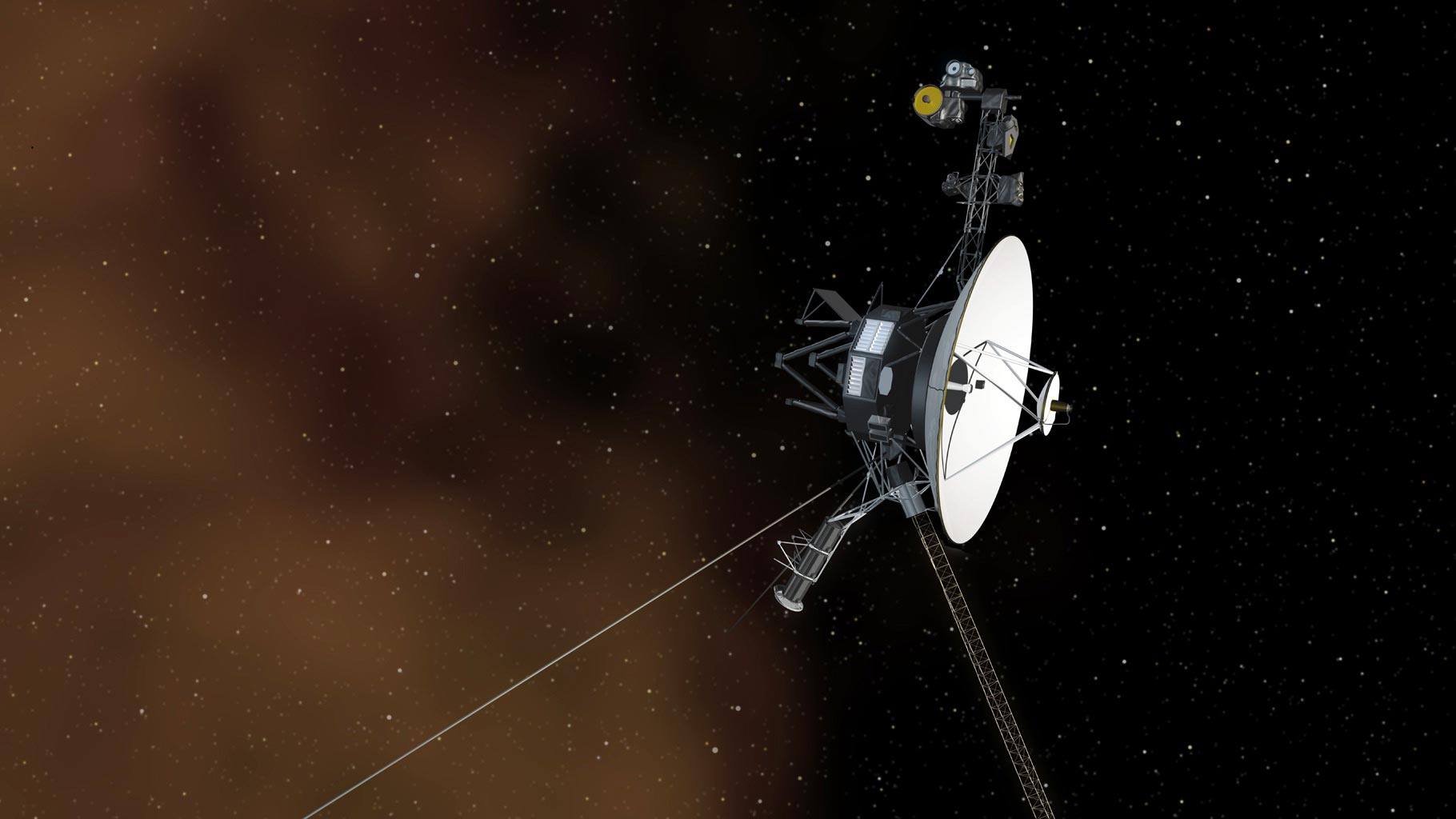
    This artist’s concept depicts one of NASA’s Voyager spacecraft entering interstellar space, or the space between stars. Interstellar space is dominated by the plasma, or ionized gas, that was ejected by the death of nearby giant stars millions of years ago. Credit: NASA/JPL-Caltech

    Engineers for NASA’s Voyager 2 spacecraft are working to return the mission to normal operating conditions after one of the spacecraft’s autonomous fault protection routines was triggered. Multiple fault protection routines were programmed into both Voyager 1 and Voyager 2 in order to allow the spacecraft to automatically take actions to protect themselves if potentially harmful circumstances arise. At NASA’s Jet Propulsion Laboratory in Pasadena, California, engineers are still communicating with the spacecraft and receiving telemetry.

    Launched in 1977, Voyager 1 and Voyager 2 are both in interstellar space, making them the most distant human-made objects in the solar system. On Saturday, January 25, Voyager 2 didn’t execute a scheduled maneuver in which the spacecraft rotates 360 degrees in order to calibrate its onboard magnetic field instrument. Analysis of the telemetry from the spacecraft indicated that an unexplained delay in the onboard execution of the maneuver commands inadvertently left two systems that consume relatively high levels of power operating at the same time. This caused the spacecraft to overdraw its available power supply.

    The fault protection software routine was designed to automatically manage such an event, and by design, it appears to have turned off Voyager 2’s science instruments to make up for the power deficit. As of January 28, Voyager engineers have successfully turned off one of the high-power systems and turned the science instruments back on but have not yet resumed taking data. The team is now reviewing the status of the rest of the spacecraft and working on returning it to normal operations.

    Voyager’s power supply comes from a radioisotope thermoelectric generator (RTG), which turns heat from the decay of a radioactive material into electricity to power the spacecraft. Due to the natural decay of the material inside the RTG, Voyager 2’s power budget goes down by about 4 watts per year. Last year, engineers turned off the primary heater for the Voyager 2 cosmic ray subsystem instrument in order to compensate for this power loss, and the instrument continues to operate.

    In addition to managing each Voyager’s power supply, mission operators must also manage the temperature of certain systems on the spacecraft. If, for example, the spacecraft fuel lines were to freeze and break, Voyager would no longer be able to point its antenna back at Earth to send data and receive commands. The temperature of the spacecraft is maintained either through the use of heaters or by taking advantage of excess heat from other onboard instruments and systems.

    It has taken the team several days to assess the current situation primarily because of Voyager 2’s distance from Earth – about 11.5 billion miles (18.5 billion kilometers). Communications traveling at the speed of light take about 17 hours to reach the spacecraft, and it takes another 17 hours for a response from the spacecraft to return to Earth. As a result, mission engineers have to wait about 34 hours to find out if their commands have had the desired effect on the spacecraft.

    The Voyager spacecraft were built by JPL, which continues to operate both. JPL is a division of Caltech in Pasadena. The Voyager missions are a part of the NASA Heliophysics System Observatory, sponsored by the Heliophysics Division of the Science Mission Directorate in Washington.

    Never miss a breakthrough: Join the SciTechDaily newsletter.
    Follow us on Google and Google News.

    JPL NASA Voyager
    Share. Facebook Twitter Pinterest LinkedIn Email Reddit

    Related Articles

    Voyager 1’s Long-Dead Thrusters Fire Again After 20 Years – Just in Time

    The End of Voyager? NASA’s Race to Keep the Deep Space Probes Alive

    NASA Scientists Find Secret in Decades-Old Voyager 2 Data About the Ice Giant Uranus

    ‘Pale Blue Dot’ Revisited – Iconic View of Earth From 3.7 Billion Miles Away Updated

    Voyager 2 Illuminates Boundary of Interstellar Space 11 Billion Miles From Earth

    NASA’s Voyager 1 Explores the Outer Limits of Our Heliosphere

    Voyager Spacecraft Poised to Make New Discoveries

    Voyager 1 Reports a Rapid Increase in High-Energy Cosmic Ray Particles

    Voyager May Become the First Human-Made Object to Enter Interstellar Space

    Leave A Reply Cancel Reply

    • Facebook
    • Twitter
    • Pinterest
    • YouTube

    Don't Miss a Discovery

    Subscribe for the Latest in Science & Tech!

    Trending News

    The Universe Is Expanding Too Fast and Scientists Can’t Explain Why

    “Like Liquid Metal”: Scientists Create Strange Shape-Shifting Material

    Early Warning Signals of Esophageal Cancer May Be Hiding in Plain Sight

    Common Blood Pressure Drug Shows Surprising Power Against Deadly Antibiotic-Resistant Superbug

    Scientists Uncover Dangerous Connection Between Serotonin and Heart Valve Disease

    Scientists Discover a “Protector” Protein That Could Help Reverse Hair Loss

    Bone-Strengthening Discovery Could Reverse Osteoporosis

    Scientists Uncover Hidden Trigger Behind Stem Cell Aging

    Follow SciTechDaily
    • Facebook
    • Twitter
    • YouTube
    • Pinterest
    • Newsletter
    • RSS
    SciTech News
    • Biology News
    • Chemistry News
    • Earth News
    • Health News
    • Physics News
    • Science News
    • Space News
    • Technology News
    Recent Posts
    • A Common Diabetes Drug May Hold the Key to Stopping HIV From Coming Back
    • Ancient “Syphilis-Like” Disease in Vietnam Challenges Key Scientific Assumptions
    • Drinking Alcohol To Cope in Your 20s Could Damage Your Brain for Life
    • Scientists Crack Alfalfa’s Chromosome Mystery After Decades of Debate
    • Ancient Ant-Plant Alliance Collapses As Predatory Wasps Move In
    Copyright © 1998 - 2026 SciTechDaily. All Rights Reserved.
    • Science News
    • About
    • Contact
    • Editorial Board
    • Privacy Policy
    • Terms of Use

    Type above and press Enter to search. Press Esc to cancel.