
Close Menu
    Facebook X (Twitter) Instagram
    SciTechDaily
    • Biology
    • Chemistry
    • Earth
    • Health
    • Physics
    • Science
    • Space
    • Technology
    Facebook X (Twitter) Pinterest YouTube RSS
    SciTechDaily
    Home»Health»New Cholesterol Drugs Could Harm Lungs, Warns Groundbreaking Global Study
    Health

    New Cholesterol Drugs Could Harm Lungs, Warns Groundbreaking Global Study

    By University of South AustraliaSeptember 30, 20231 Comment3 Mins Read
    Facebook Twitter Pinterest Telegram LinkedIn WhatsApp Email Reddit
    Share
    Facebook Twitter LinkedIn Pinterest Telegram Email Reddit
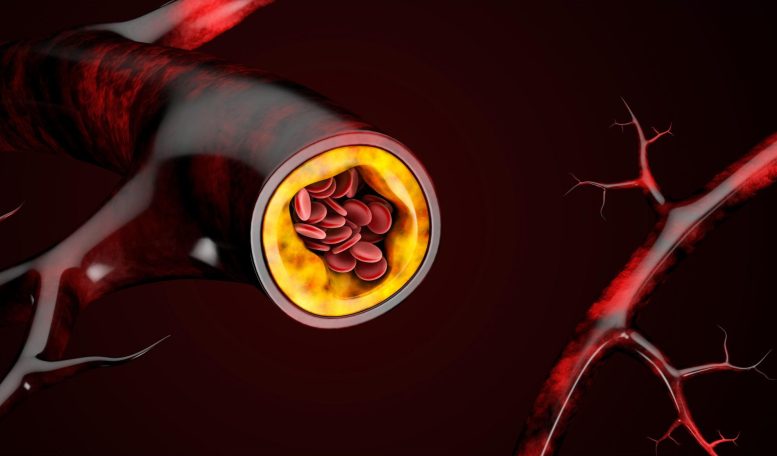
    Blood Cells Cholesterol Accumulation
    A recent study, analyzing genetic data from 340,000 UK Biobank participants, has found that PCSK9 inhibitors, a new class of cholesterol-lowering drugs, could potentially impair lung function. Despite most cholesterol medications effectively reducing cardiovascular risks without significant adverse effects, the study also found correlations between statins and higher BMI, body fat, and reduced testosterone, while unexpectedly noting an increase in hippocampus brain volume that might lower dementia and depression risks.

    Statins Lower the Risk of Dementia, However, a New Drug Negatively Affects Lung Function

    One of the most extensive global studies on the effects of cholesterol-lowering drugs has underscored a problem with a new class of drugs that could impair lung function in some patients.

    That’s the finding from a recent University of South Australia study, the first in the world to compare cholesterol-lowering medications (LDL-C drugs) to a range of clinical and heart and brain MRI biomarkers.

    Genetic data from 340,000 UK Biobank participants was analyzed to explore the risks and benefits of LDL-C drugs. The outcomes have been published in the British Journal of Clinical Pharmacology.

    PCSK9 Inhibitors May Affect Lung Function

    In the vast number of cases, medication prescribed for high cholesterol does what it promises: significantly lowers the risk of cardiovascular disease, high blood pressure, diabetes, and age-related diseases. It does not cause any other adverse health conditions except diarrhea in some people.

    However, lipid-lowering medications that clear cholesterol from the cells – known as PCSK9 inhibitors – could impair lung function and further studies are needed on their long-term side effects, researchers say.

    Genetic variants reflecting another cholesterol-lowering medication, statins, were found to correlate with higher BMI and body fat, as well as reduced testosterone. Statins are the most common cholesterol-lowering medication prescribed.

    Potential Implications for Dementia and Depression

    One unexpected benefit of taking statins was found, with some people seeing an increase in brain volume of the hippocampus, which may reduce the risk of dementia and depression.

    UniSA PhD student Kitty Pham, lead author of the paper, says the findings highlight the importance of delving deeper to understand the potential long-term effects of different medications.

    “Our study reveals associations with lung function and brain size, which may influence how these drugs are prescribed or repurposed in the future,” Pham says. “These findings help us to understand how people may react to different drugs and assess the viability of new drug pathways.”

    Compared to statins, which inhibit the production of cholesterol, PCSK9 drugs destroy cholesterol in the cells. The latter are a newer class of drug so less is known about their long-term safety.

    Chief investigator Professor Elina Hypponen, Centre Director of the Australian Centre for Precision Health at UniSA, says genetic information was used to compare the outcomes of a range of LDL-C lowering drugs, working in different ways.

    “This normally would not be practical in a clinical trial or for such a large sample size, but genetic analyses such as the one we have conducted can really help with drug safety profiling by uncovering links with diseases and biomarkers,” Prof Hypponen says.

    Reference: “Genetically instrumented LDL-cholesterol lowering and multiple disease outcomes: A Mendelian randomization phenome-wide association study in the UK Biobank” by Kitty Pham, Anwar Mulugeta, Amanda Lumsden and Elina Hypponen, 19 May 2023, British Journal of Clinical Pharmacology.
    DOI: 10.1111/bcp.15793

    Never miss a breakthrough: Join the SciTechDaily newsletter.
    Follow us on Google and Google News.

    Cholesterol Diabetes Drugs Lungs University of South Australia
    Share. Facebook Twitter Pinterest LinkedIn Email Reddit

    Related Articles

    A New Drug Could Treat Type 2 Diabetes

    Popular Medicines Including Ibuprofen Have Been Linked to Heart Failure in Diabetics

    A Diabetes Drug Could Protect Against Alzheimer’s

    A Better Diabetes Drug

    FDA-Approved Drug Reduces Blood Vessel Problems Caused by Aging

    Warning: Excess Consumption of Eggs Linked to Diabetes

    Early Birds vs Night Owls: For People With Diabetes, an Early Bedtime Is Best

    Artificial Sweeteners Doing More Harm Than Good – More Likely to Gain Weight

    Wastewater Analyzed to Map International Drug Use – Here Are the Shocking Results

    1 Comment

    1. Best Agency in Dhaka For Study in Australia on October 1, 2023 6:51 am

      Thanks for informative content. we want study in australia related blog.

      Reply
    Leave A Reply Cancel Reply

    • Facebook
    • Twitter
    • Pinterest
    • YouTube

    Don't Miss a Discovery

    Subscribe for the Latest in Science & Tech!

    Trending News

    Scientists Say This Simple Supplement May Actually Reverse Heart Disease

    Warming Oceans Could Trigger a Dangerous Methane Surge

    This Simple Movement Could Be Secretly Cleaning Your Brain

    Male Birth Control Breakthrough: Scientists Find Way To Turn Sperm Production Off and Back On

    A Common Vitamin Could Hold the Key to Treating Fatty Liver Disease

    New Research Shows Vitamin B12 May Hold the Key to Healthy Aging

    These Simple Daily Habits Can Quickly Improve Blood Pressure and Heart Risk Factors

    A Common Nutrient May Play a Surprising Role in Anxiety

    Follow SciTechDaily
    • Facebook
    • Twitter
    • YouTube
    • Pinterest
    • Newsletter
    • RSS
    SciTech News
    • Biology News
    • Chemistry News
    • Earth News
    • Health News
    • Physics News
    • Science News
    • Space News
    • Technology News
    Recent Posts
    • Scientists Just Exposed a 300 Million-Year-Old Fossil Mistake
    • Ravens Don’t Follow Wolves, They Predict Them
    • This Common Knee Surgery May Be Doing More Harm Than Good
    • Scientists Discover a New Way To Control Metals at the Atomic Scale
    • Scientists Create “Quantum Sound” Device That Works Near Absolute Zero
    Copyright © 1998 - 2026 SciTechDaily. All Rights Reserved.
    • Science News
    • About
    • Contact
    • Editorial Board
    • Privacy Policy
    • Terms of Use

    Type above and press Enter to search. Press Esc to cancel.