
Close Menu
    Facebook X (Twitter) Instagram
    SciTechDaily
    • Biology
    • Chemistry
    • Earth
    • Health
    • Physics
    • Science
    • Space
    • Technology
    Facebook X (Twitter) Pinterest YouTube RSS
    SciTechDaily
    Home»Health»FDA-Approved Drug Reduces Blood Vessel Problems Caused by Aging
    Health

    FDA-Approved Drug Reduces Blood Vessel Problems Caused by Aging

    By University of Missouri-ColumbiaJune 30, 2022No Comments3 Mins Read
    Facebook Twitter Pinterest Telegram LinkedIn WhatsApp Email Reddit
    Share
    Facebook Twitter LinkedIn Pinterest Telegram Email Reddit
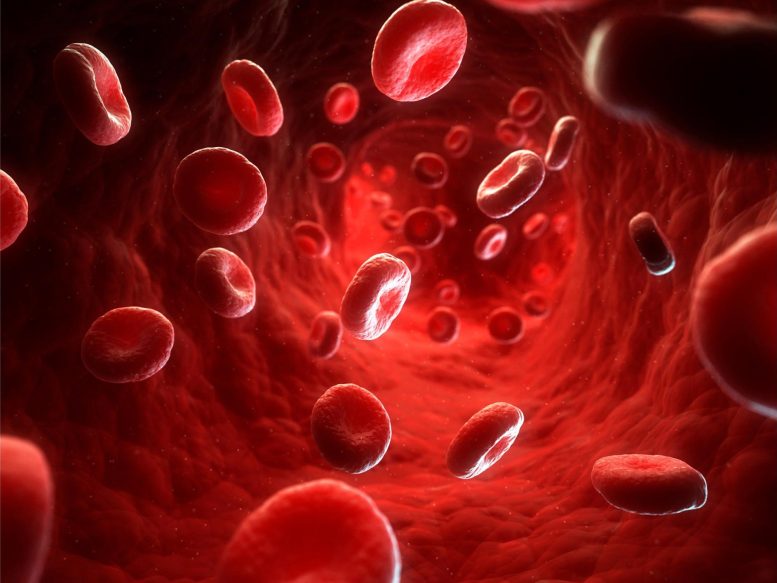
    Red Blood Cells Flow in Blood Vessel
    An FDA-approved blood sugar-lowering medicine may help prevent vascular constriction and stiffness in aged male mice.

    The study shows that the medication stopped the constriction and stiffening of the blood vessels

    According to new research published in GeroScience by the University of Missouri School of Medicine, an FDA-approved medicine used to control blood sugar in people with Type 2 diabetes may help reduce blood vessel dysfunction associated with aging.

    Camilla Manrique, MD, Endocrinology
    Camila Manrique-Acevedo, MD, associate professor of medicine at the University of Missouri.

    Researchers first investigated the effect of aging on human blood artery function and stiffness. The researchers then looked at how the sodium-glucose co-transporter 2 (SGLT2) inhibitor empagliflozin (Empa) affected blood vessel function and arterial stiffness in elderly male mice.

    Challenges in Treating Cardiovascular Aging

    “Cardiovascular disease is the main cause of death in older adults in the U.S.,” said Camila Manrique-Acevedo, MD, associate professor of medicine. “Weight loss, physical activity, antihypertensive therapy, and lipid-lowering drugs have shown variable effectiveness at improving blood vessel function and reducing arterial stiffness. But additional approaches are needed to improve vascular health in older adults.”

    The scientists first compared blood vessel function and stiffness in 18 healthy human patients with an average age of 25 to 18 patients with an average age of 61. When compared to the younger patients, the older patients exhibited reduced endothelial function and increased aortic stiffness.

    “Our findings in young and older adults confirm previous clinical data demonstrating the impact of aging on blood vessel function and arterial stiffness,” Manrique-Acevedo said. “Importantly, we were able to replicate this data in a rodent model.”

    Mouse Study Highlights Empagliflozin’s Impact

    In order to investigate the effects of Empa on vascular aging, 72-week-old male mice were divided into two groups. Twenty-nine were fed for six weeks with a diet enriched with Empa, while the other half were given standard food. After analyzing both groups six weeks later, researchers discovered the mice treated with Empa experienced improved blood vessel function, reduced arterial stiffness, and other vascular benefits.

    “To our knowledge, this is the first study to examine the potential role of SGLT2 inhibition in reversing vascular aging,” Manrique-Acevedo said. “And our findings highlight the need for further clinical investigations to determine the potential role of SGLT2 inhibition as a therapeutic tool to delay or reverse vascular aging in humans.”

    Part of the support for this study was provided by the National Institutes of Health and a VA Merit Grant. The content does not necessarily represent the official views of the funding agency. The authors declare no potential conflicts of interest.

    Reference: “SGLT2 inhibition attenuates arterial dysfunction and decreases vascular F-actin content and expression of proteins associated with oxidative stress in aged mice” by Rogerio N. Soares, Francisco I. Ramirez-Perez, Francisco J. Cabral-Amador, Mariana Morales-Quinones, Christopher A. Foote, Thaysa Ghiarone, Neekun Sharma, Gavin Power, James A. Smith, R. Scott Rector, Luis A. Martinez-Lemus, Jaume Padilla and Camila Manrique-Acevedo, 15 April 2022, GeroScience.
    DOI: 10.1007/s11357-022-00563-x

    Never miss a breakthrough: Join the SciTechDaily newsletter.
    Follow us on Google and Google News.

    Aging Blood Diabetes Drugs Heart University of Missouri-Columbia
    Share. Facebook Twitter Pinterest LinkedIn Email Reddit

    Related Articles

    New FDA-Approved Diabetes Drug Slashes Heart Attack and Stroke Risk

    Common Medications Could Increase Diabetics’ Risk of Sudden Cardiac Arrest

    Researchers Discover Surprising Side Effect of Common Diabetes Drug

    Popular Medicines Including Ibuprofen Have Been Linked to Heart Failure in Diabetics

    A Better Diabetes Drug

    People With Prediabetes Significantly More Likely to Suffer a Heart Attack, Stroke

    “Holy Grail” – Hyperbaric Oxygen Treatments Reverse Aging Process in First Clinical Trial

    Warning: Sleeping Less Than 6 Hours Can Be Deadly for Middle-Aged Adults

    New Synthetic Process Provides a Better View of Diabetes, Inflammation, and Human Aging

    Leave A Reply Cancel Reply

    • Facebook
    • Twitter
    • Pinterest
    • YouTube

    Don't Miss a Discovery

    Subscribe for the Latest in Science & Tech!

    Trending News

    Breakthrough Parkinson’s Drug Targets Disease at Its Genetic Roots

    Just 4 Weeks of Simple Diet Changes Reversed Signs of Aging in Older Adults

    Scientists May Have Finally Solved Why Humans Are Right-Handed

    NASA’s Hubble Accidentally Witnesses a Comet Shattering in Space

    Researchers Discover the Body’s Hidden “Off Switch” for Inflammation

    Scientists Discover Metformin Doesn’t Work the Way We Thought

    Tea or Coffee? Your Daily Choice Could Affect Osteoporosis Risk

    Vitamin C May Fight Cancer in a Surprising Way

    Follow SciTechDaily
    • Facebook
    • Twitter
    • YouTube
    • Pinterest
    • Newsletter
    • RSS
    SciTech News
    • Biology News
    • Chemistry News
    • Earth News
    • Health News
    • Physics News
    • Science News
    • Space News
    • Technology News
    Recent Posts
    • Scientists Warn: America’s Most Popular Cooking Oil May Be Harming Your Intestines
    • Scientists Unravel the Mystery of Angola’s Giant “Ghost Elephants”
    • Ancient DNA Shatters the Simple Story of Europe’s Origins
    • Scientists Say a 59,000-Year-Old Neanderthal Tooth Shows Evidence of Surgery
    • Scientists Stunned by Hybrid California Bees That Beat Deadly Mites
    Copyright © 1998 - 2026 SciTechDaily. All Rights Reserved.
    • Science News
    • About
    • Contact
    • Editorial Board
    • Privacy Policy
    • Terms of Use

    Type above and press Enter to search. Press Esc to cancel.