
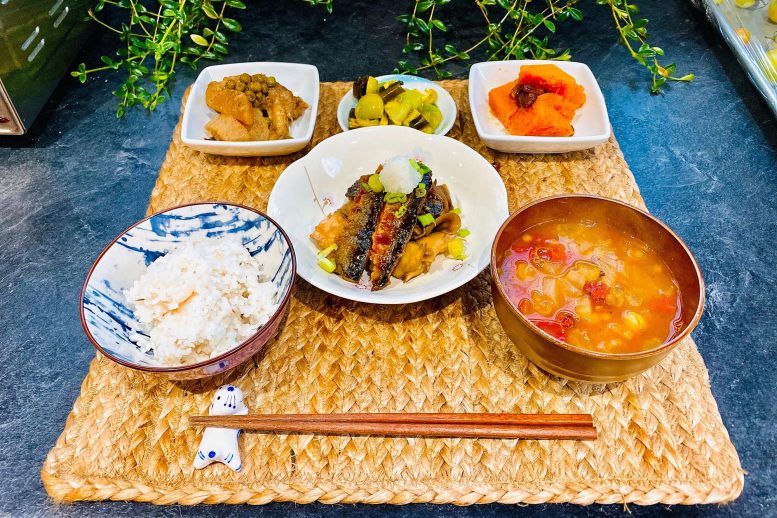
Japanese food is famous for its health benefits. The Japanese have the second-highest life expectancy in the world, and they attribute their good health to their diets. Researchers are still trying to figure out why Japanese food is so healthy, but there’s no doubt that it’s a good diet. Here are some of the top foods that contribute to Japanese health:
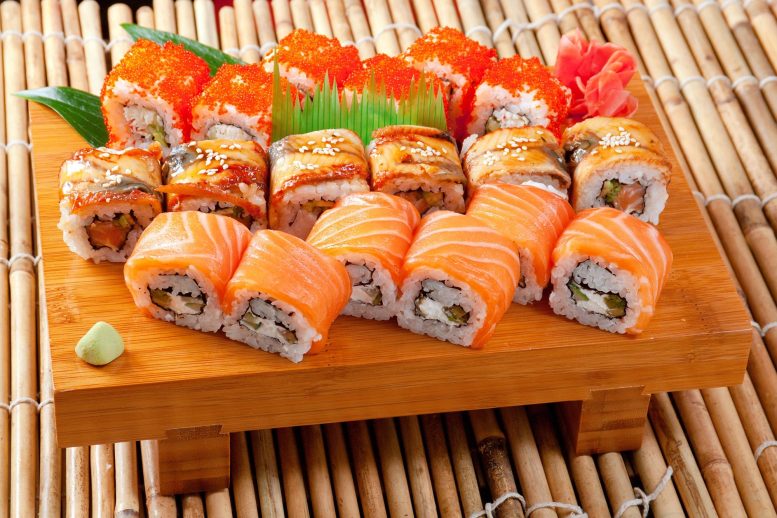
Fish
The Japanese consume about 140 pounds of fish per person each year. The average American, in contrast, consumes only about 15 pounds per person per year.
Fish is a good source of high-quality protein, which helps build and preserve muscle mass. Plus, fatty fish, like wild-caught salmon, contain long-chain omega-3 fatty acids, a type of fat that supports heart and brain health. Some studies find omega-3s reduce inflammation, a driving force behind many health problems, including cardiovascular disease. Long-chain omega 3s include eicosapentaenoic acid (EPA) and docosahexaenoic acid (DHA). These fatty acids are found in cold-water fish like salmon, mackerel, or tuna—but not shellfish such as clams and mussels.
However, there are some problems with eating too much fish. For one, fish is typically high in mercury and other metals, which can be harmful to your health. Avoid farmed fish, as they eat unnatural diets of corn or soybeans that may affect their nutrient content.
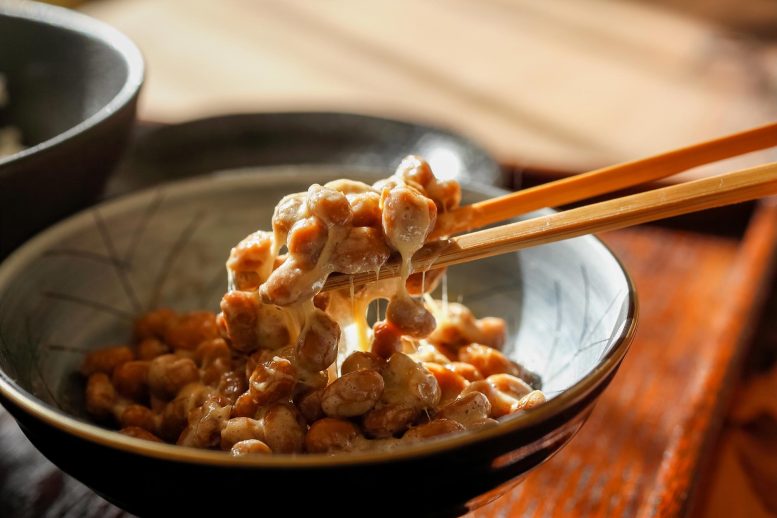
Natto
Natto is a traditional Japanese food made from fermented soybeans. Natto has a sticky texture like cheese or yogurt, and it has an odor that can be off-putting for some people. Yet the Japanese love it and eat it frequently.
What makes natto such a nutritional powerhouse? It’s high in protein, but also vitamin K2, a vitamin important for bone health. Studies suggest vitamin K2 may also be beneficial for cardiovascular health. It activates osteocalcin, a hormone that directs calcium to the bones and away from the inner walls of arteries where it could contribute to cardiovascular disease.
Many people who eat natto say the smell and flavor grow on them after they’ve eaten it regularly for a while, but others find themselves unable to stomach even small amounts of this unusual dish. If you’re planning on trying natto at home, give it a chance! Some people dislike it at first but develop an affinity for it after eating it several times. It’s an acquired taste!
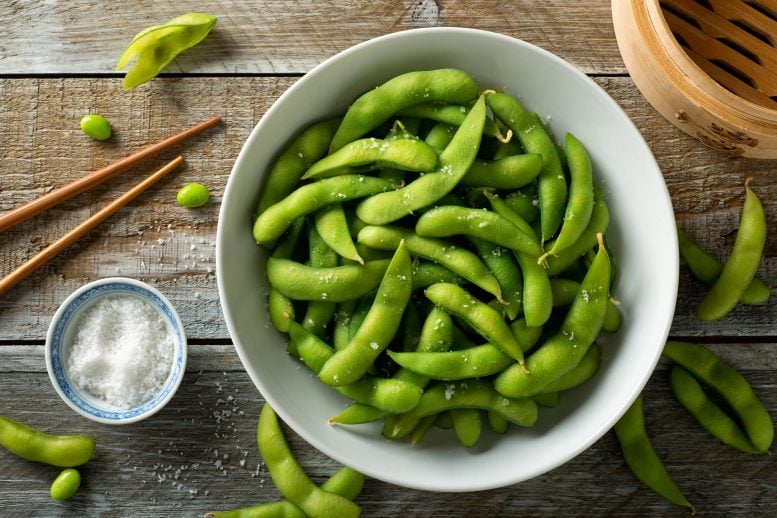
Edamame
Edamame are a traditional Japanese snack of boiled, salted soybeans. The soybeans are picked when they are still green and soft, and then boiled or steamed to a consistency that is slightly crunchy on the outside and tender on the inside. You can eat edamame as an appetizer or snack, or as part of a main meal.
Why would you want to? They’re high in fiber, protein, vitamins, and minerals. Edamame contain more than 20 essential amino acids, which are the building blocks of protein and is a complete source of protein. If you’re trying to lose weight or improve your diet, add edamame to your menu because it’s low in calories and fat but still contains plenty of protein for muscle development. You can find edamame at most grocery stores in the frozen food section.
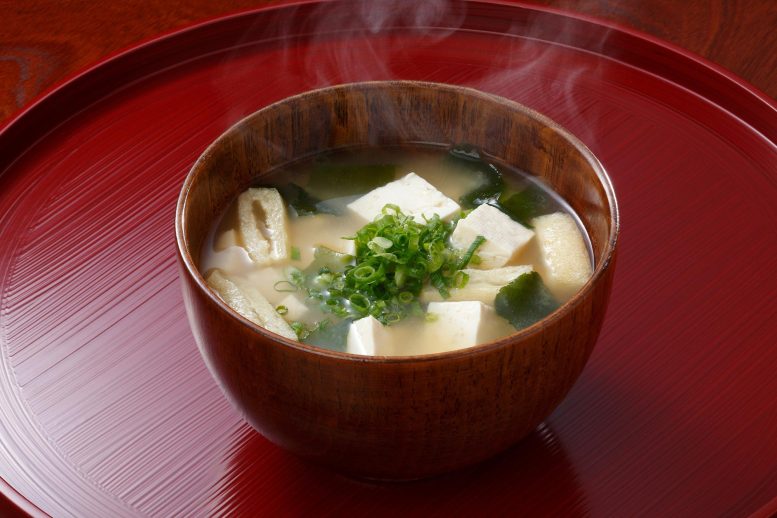
Miso Soup
Miso soup is a Japanese soup made from dashi, vegetables, and miso paste. The Japanese enjoy it as an appetizer and you can too. It’s a delicious way to get your daily dose of vegetables as it can contain several types of vegetables in each serving. If you’re looking for healthy Japanese food, then miso soup can be an excellent choice because it’s nutritious and high in protein. Plus, miso paste has over 20 different nutrients including vitamins A, B1 (thiamine), B2 (riboflavin), B3 (niacin), B5 (pantothenic acid), and vitamin E, as well as minerals such as calcium, iron, magnesium, manganese, phosphorus, and potassium.
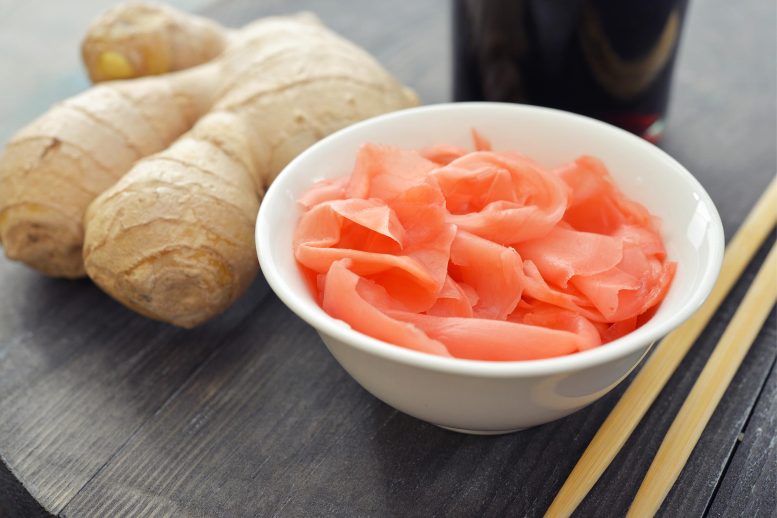
Pickled Ginger
Another food the Japanese enjoy is pickled ginger, a traditional Japanese food made by preserving ginger in vinegar and salt. You may have had pickled ginger at a sushi restaurant with your favorite sushi or sashimi, but you can also eat it as a side dish or snack. You can find pickled ginger at any Japanese market, or you can make your own at home by preserving ginger in vinegar and salt.
Why is it healthy? Ginger has anti-inflammatory effects and may help you recover faster after a workout. One study found that 2 grams of ginger improved the symptoms of delayed onset muscle soreness (DOMS), the soreness you feel after a workout your body isn’t accustomed to. Ginger is also effective for relieving nausea.
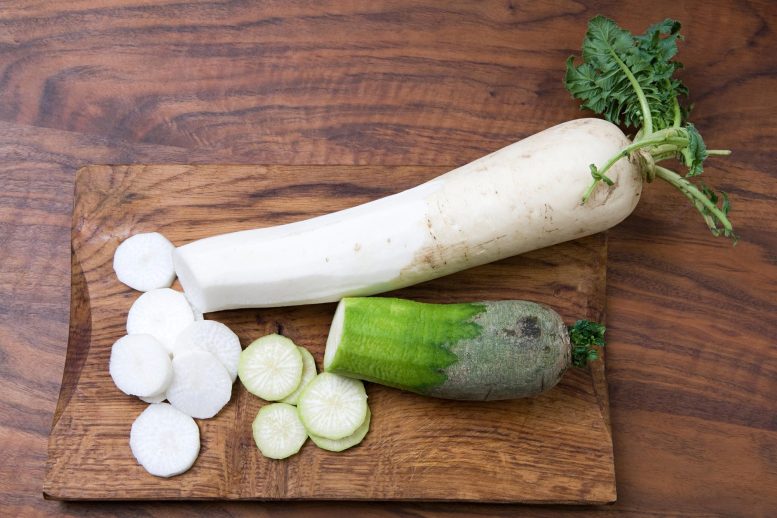
Daikon Radish
Daikon radishes are a popular ingredient in many Asian dishes. This root vegetable is low in calories and high in fiber and also contains vitamin C, some B-vitamins, potassium, and calcium. The Japanese eat daikon radish raw or cooked and you can pickle it, grate it into salads, or add it to soups, stews, stir-fries, and other dishes. Another idea is to slice them into thin rounds or julienne them to add to salads and cold noodle dishes. You’ll discover this Asian offering offers lots of versatility.
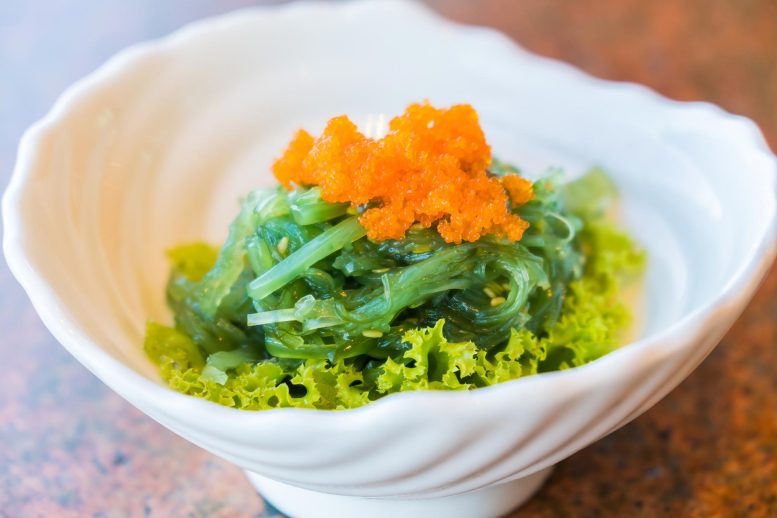
Seaweed
The Japanese also consume a lot of sea vegetables, including seaweed. Seaweed is a great source of iodine, which is essential for producing thyroid hormones. It also contains vitamins A and C, magnesium, iron, magnesium, potassium, and calcium. Plus, they’re rich in fiber and contain omega-3s.
There are many kinds of seaweed, and they all have different flavors and textures. Some are crunchy, and some are soft. Some taste like vegetables, and others taste like seafood. Why not explore a variety of sea vegetables and seaweed?
A seaweed salad is a tasty way to get your daily dose of greens and vitamins. Seaweed salads are particularly popular in Japan, where they’re served with all sorts of toppings, from boiled eggs and smoked salmon to tofu and seaweed.
Conclusion
These are just some foods that make up a healthy Japanese diet. The Japanese eat a diet rich in omega-3s, phytochemicals with antioxidant activity, and other vitamins and minerals. Plus, they eat less processed foods. Many traditional Japanese dishes center around vegetables, so keep that in mind when you plan your meals.
References:
- “Daikon Radish: Types, Nutrition, Benefits, and Uses – Healthline.” 7 October 2019, healthline.com/nutrition/daikon-radish.
- Hoseinzadeh K, Daryanoosh F, Baghdasar PJ, Alizadeh H. Acute effects of ginger extract on biochemical and functional symptoms of delayed onset muscle soreness. Med J Islam Repub Iran. 2015 September 12;29:261. PMID: 26793652; PMCID: PMC4715415.
- “Nutritional Values For Common Foods And Products.” nutritionvalue.org/.
Never miss a breakthrough: Join the SciTechDaily newsletter.
Follow us on Google and Google News.
7 Comments
“… fish is typically high in mercury and other metals, which can be harmful to your health.”
That is particularly true of raw fish because cooking in the open air drives off the volatile methyl-mercury, which has a boiling point the same as water. Top of the food chain predators, such as tuna and salmon, are also the most contaminated. Also, raw fresh-water fish frequently carry parasitic flat-worms. Even salt-water fish sometimes carry parasites that may be transmitted to humans. Stick to small fish if you are so inclined to eat sashimi. Otherwise, eat cooked fish such as teriyaki salmon.
Regarding parasites in raw fish, yes, it can happen. But almost always, the fish used has been flash frozen to a low enough temperature to kill any parasites and render any eggs inviable. I think it’s required by law in many places.
Many Asian would counter your comment but most would not knowing you don’t live in Japam
But, would they counter my comment with facts? What people eat is largely cultural. The Japanese are well aware of the issue of parasites, and good chefs watch for them when slicing the fish. I’m not sure that chefs in America are as skilled or diligent. This article was intended for an American audience.
The Japanese are also aware of the concerns about mercury in fish, having been the type locality for industrial mercury poisoning at Minamata Bay, now known as Minamata Disease. The propensity for eating fish raw probably contributed to the problem.
Most Americans wouldn’t have access to try a majority of this.
For something to be considered a fact you must be able to show that with peer reviewed scientific data and I don’t see any links for your comment. I trust things like the second longest lifespan in the world versus marketing to sell more beef.
I like miso soup but saying it’s a good source of protein is false. Miso is just one of its ingredients and the soup is mainly water, and quite salty for those who need to limit their sodium intake). Mentioning that it also supports microbiome health is wrong too since once a fermented food is cooked (or canned like store-bought sauerkraut), its beneficial bacteria are killed. Natto and kimchee (even if it’s Korean, many Japanese people like it) has the beneficial gut bacteria, like sauerkraut has, but ONLY when it’s not been cooked or processed. The person who wrote this really didn’t bother in doing much if any research.