
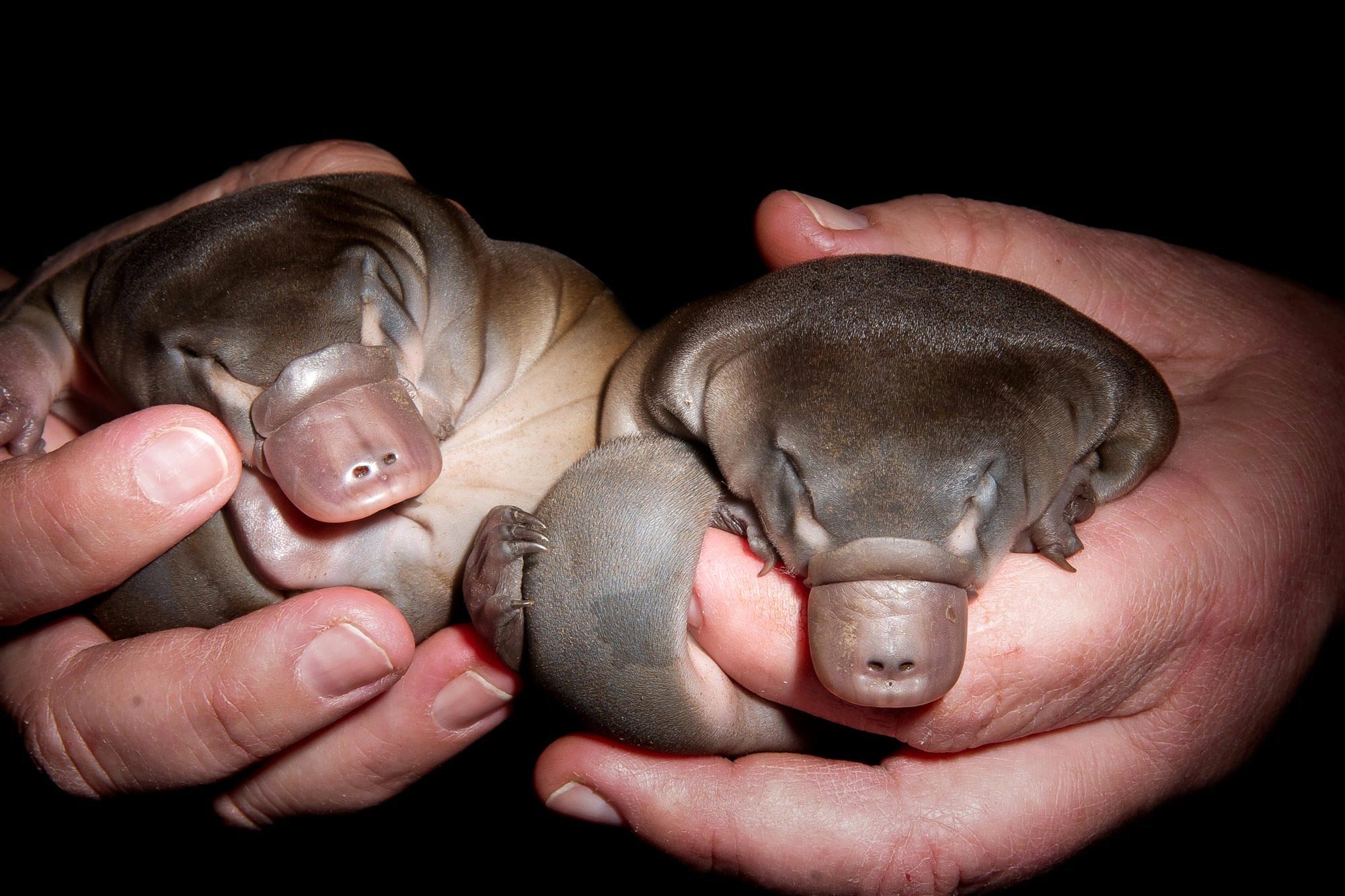
Often considered the world’s oddest mammal, Australia’s beaver-like, duck-billed platypus exhibits an array of bizarre characteristics: it lays eggs instead of giving birth to live babies, sweats milk, has venomous spurs, and is even equipped with 10 sex chromosomes. Now, an international team of researchers led by University of Copenhagen has conducted a unique mapping of the platypus genome and found answers regarding the origins of a few of its stranger features.
It lays eggs, but nurses, it is toothless, has a venomous spur, has webbed feet, fur that glows, and has 10 sex chromosomes. Ever since Europeans discovered the platypus in Australia during the late 1700s, the quirky, duck-billed, semiaquatic creature has baffled scientific researchers.
Modern day researchers are still trying to understand how the platypus — often considered to be the world’s oddest mammal — got to be so unique. Their understandings have now advanced, to a great degree. For the first time, an international team of researchers, led by University of Copenhagen biologists, has mapped a complete platypus genome. The study has been published in the scientific journal, Nature.
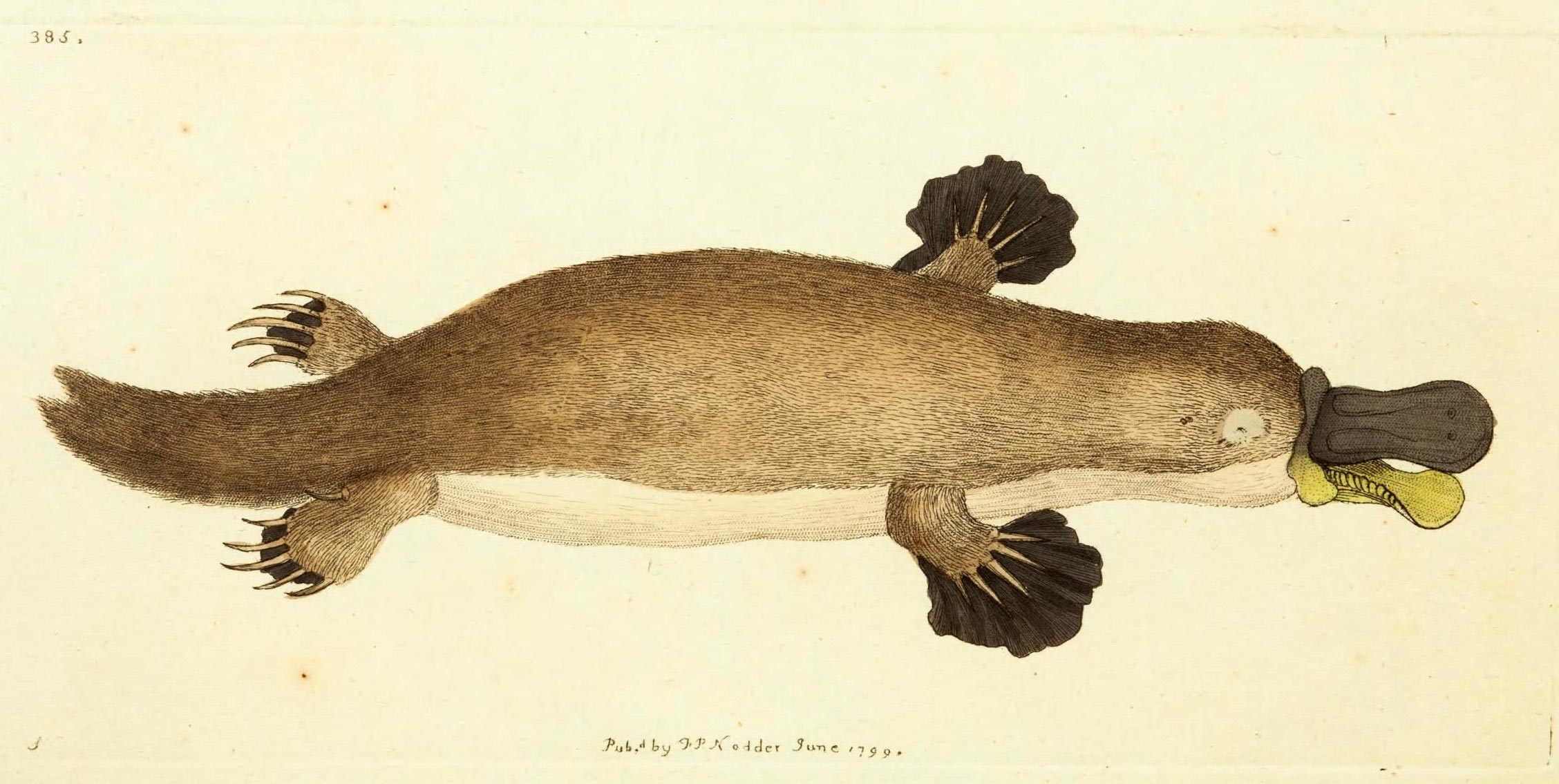
“The complete genome has provided us with the answers to how a few of the platypus’ bizarre features emerged. At the same time, decoding the genome for platypus is important for improving our understanding of how other mammals evolved — including us humans. It holds the key as to why we and other eutheria mammals evolved to become animals that give birth to live young instead of egg-laying animals,” explains Professor Guojie Zhang of the Department of Biology.
The platypus belongs to an ancient group of mammals — monotremes — which existed millions of years prior to the emergence of any modern-day mammal.
“Indeed, the platypus belongs to the Mammalia class. But genetically, it is a mixture of mammals, birds and reptiles. It has preserved many of its ancestors’ original features — which probably contribute to its success in adapting to the environment they live in,” says Professor Zhang.
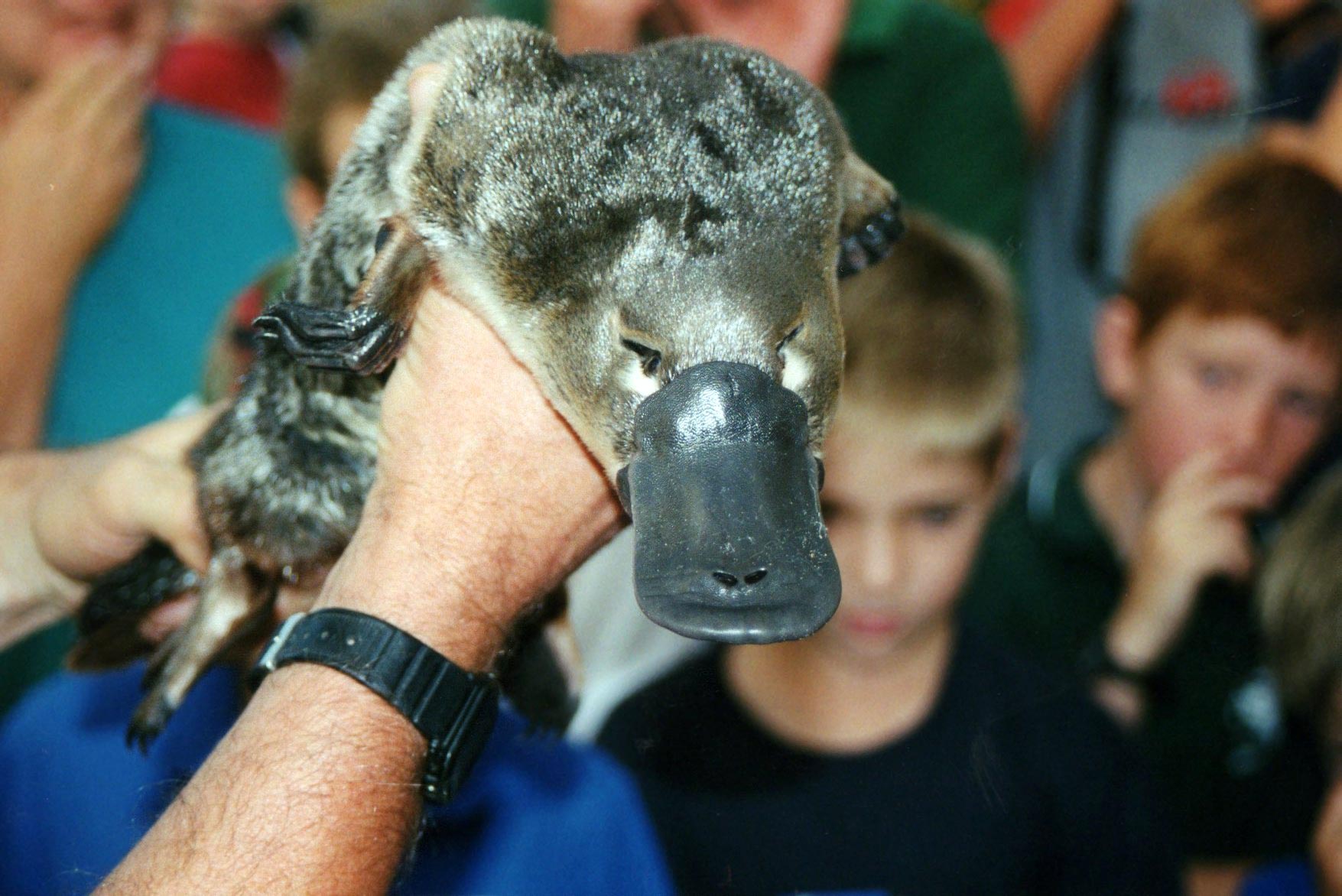
Lays eggs, sweats milk and has no teeth
One of the platypus’ most unusual characteristics is that, while it lays eggs, it also has mammary glands used to feed its babies, not through nipples, but by milk — which is sweat from its body.
During our own evolution, we humans lost all three so-called vitellogenin genes, each of which is important for the production of egg yolks. Chickens, on the other hand, continue to have all three. The study demonstrates that platypuses still carry one of these three vitellogenin genes, despite having lost the other two roughly 130 million years ago. The platypus continues to lay eggs by virtue of this one remaining gene. This is probably because it is not as dependent on creating yolk proteins as birds and reptiles are, as platypuses produce milk for their young.
In all other mammals, vitellogenin genes have been replaced with casein genes, which are responsible for our ability to produce casein protein, a major component in mammalian milk. The new research demonstrates that the platypus carries casein genes as well, and that the composition of their milk is thereby quite similar to that of cows, humans, and other mammals.
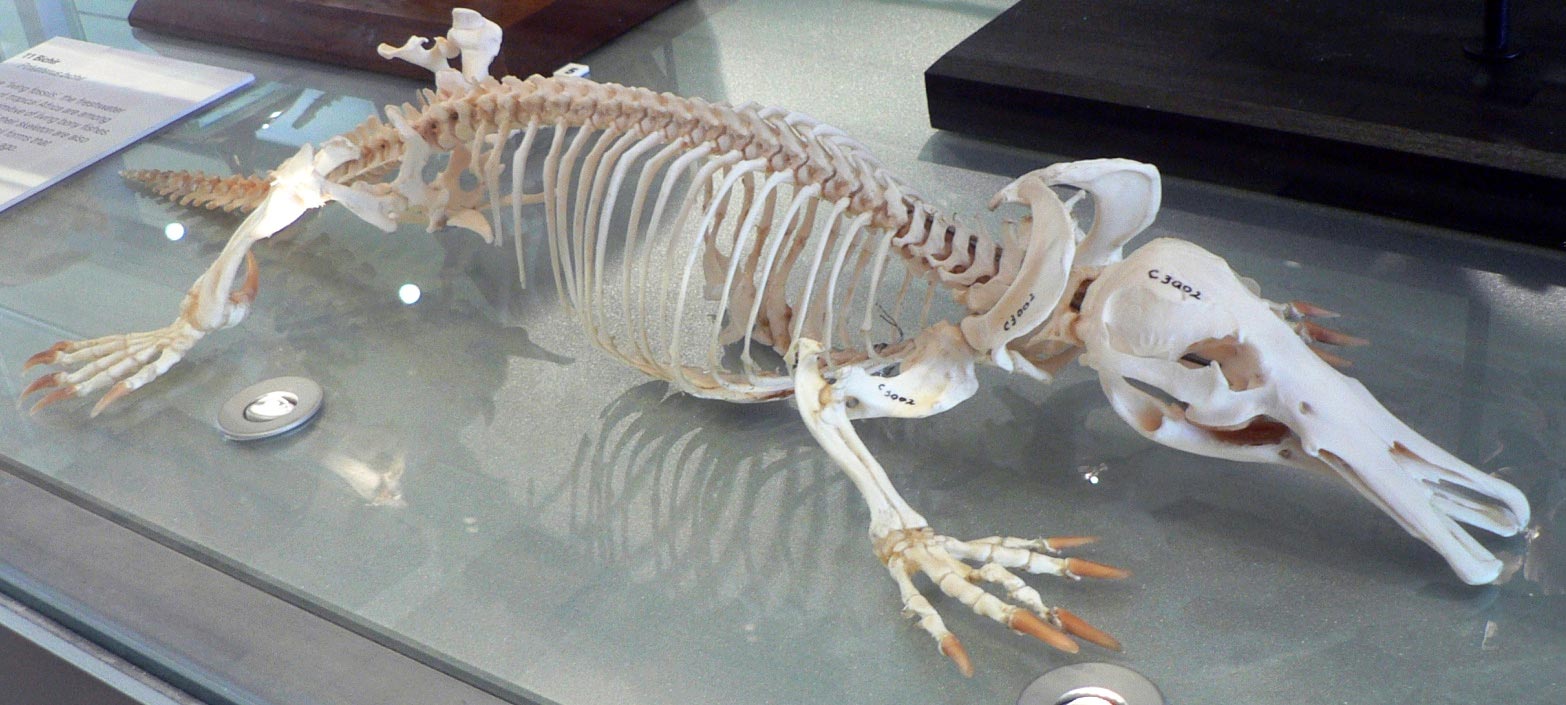
“It informs us that milk production in all extant mammal species has been developed through the same set of genes derived from a common ancestor which lived more than 170 million years ago — alongside the early dinosaurs in the Jurassic period,” says Guojie Zhang.
Another trait that makes the platypus so unique is that, unlike the vast majority of mammals, it is toothless. Although this monotremes’ nearest ancestors were toothed, the modern platypus is equipped with two horn plates that are used to mash food. The study reveals that the platypus lost its teeth roughly 120 million years ago, when four of the eight genes responsible for tooth development disappeared.
Only animal with 10 sex chromosomes
Yet another platypus oddity investigated by the researchers was how their sex is determined. Both humans and every other mammal on Earth have two sex chromosomes that determine sex – the X and Y chromosome system in which XX is female and XY is male. The monotremes, however, including our duck-billed friends from Down Under, have 10 sex chromosomes, with five Y and five X chromosomes.
Thanks to the near-complete chromosomal level genomes, researchers can now suggest that these 10 sex chromosomes in the ancestors of the monotremes were organized in a ring form which was later broken away into many small pieces of X and Y chromosomes. At the same time, the genome mapping reveals that the majority of monotreme sex chromosomes have more in common with chickens than with humans. But what it shows, is an evolutionary link between mammals and birds.
Platypus Facts
- The platypus is endemic to eastern Australia and Tasmania. It is a protected species and classified by the IUCN as near-threatened.
- Among the reasons why platypuses are considered mammals: they have mammary glands, grow hair, and have three bones in their middle ears. Each trait helps to define a mammal.
- The platypus belongs to the mammalian order monotreme, so named because monotremes use a singular opening for urination, defecation and sexual reproduction.
- The animal is an excellent swimmer and spends much of its time hunting for insects and shellfish in rivers.
- Its distinctive beak is filled with electrical sensors which are used to locate prey in muddy river beds.
- The male platypus has a venomous spur behind each of its hind legs. The venom is poisonous enough to kill a dog and is deployed when males fight for territory.
- Another 2020 study demonstrated that platypus fur is fluorescent. The animal’s brown fur reflects a blue-green color when placed under UV light.
About the Study
- Advanced gene sequencing technology that combines numerous cutting-edge methods has allowed the research team to map a near-complete genome at the chromosomal level from both the platypus and its cousin, the echidna— the only two currently living types of monotreme animals. The gene data fills in 90 percent of the gaps in previous genetic mappings. Over 96% of the genome sequences are placed in the chromosomes now.
- The researchers have compared the monotreme genes and genomes from chickens, humans, rats, Tasmanian devils and lizards.
- In addition to Yang Zhou (lead author) and Guojie Zhang of the University of Copenhagen, the research was carried out by, among others: Linda Shearwin-Whyatt of The University of Adelaide (Australia) and Jing Li of Zhejiang University (China). A complete list of the authors can be found in the research article.
- The study has just been published in the prestigious scientific journal, Nature.
Reference: “Platypus and echidna genomes reveal mammalian biology and evolution” by Yang Zhou, Linda Shearwin-Whyatt, Jing Li, Zhenzhen Song, Takashi Hayakawa, David Stevens, Jane C. Fenelon, Emma Peel, Yuanyuan Cheng, Filip Pajpach, Natasha Bradley, Hikoyu Suzuki, Masato Nikaido, Joana Damas, Tasman Daish, Tahlia Perry, Zexian Zhu, Yuncong Geng, Arang Rhie, Ying Sims, Jonathan Wood, Bettina Haase, Jacquelyn Mountcastle, Olivier Fedrigo, Qiye Li, Huanming Yang, Jian Wang, Stephen D. Johnston, Adam M. Phillippy, Kerstin Howe, Erich D. Jarvis, Oliver A. Ryder, Henrik Kaessmann, Peter Donnelly, Jonas Korlach, Harris A. Lewin, Jennifer Graves, Katherine Belov, Marilyn B. Renfree, Frank Grutzner, Qi Zhou and Guojie Zhang, 6 January 2021, Nature.
DOI: 10.1038/s41586-020-03039-0
Never miss a breakthrough: Join the SciTechDaily newsletter.
Follow us on Google and Google News.