
Sex hormones have a profound impact on the brain, affecting disorders like stroke, epilepsy, and Alzheimer’s.
A new review suggests hormonal fluctuations can alter disease progression and treatment responses. Understanding these mechanisms could lead to groundbreaking therapies tailored by sex and hormonal status.
Hormones and the Nervous System: A Groundbreaking Review
A new comprehensive review, published today (February 18) in Brain Medicine by renowned neuroendocrinologist Professor Hyman M. Schipper from McGill University’s Department of Neurology and Neurosurgery, explores the significant impact of reproductive hormones on brain health and disease. This landmark study, featured in a special Festschrift issue celebrating Dr. Seymour Reichlin’s 100th birthday, examines how sex hormones influence a wide range of neurological conditions.
Sex Hormones and Their Impact on Neurological Function
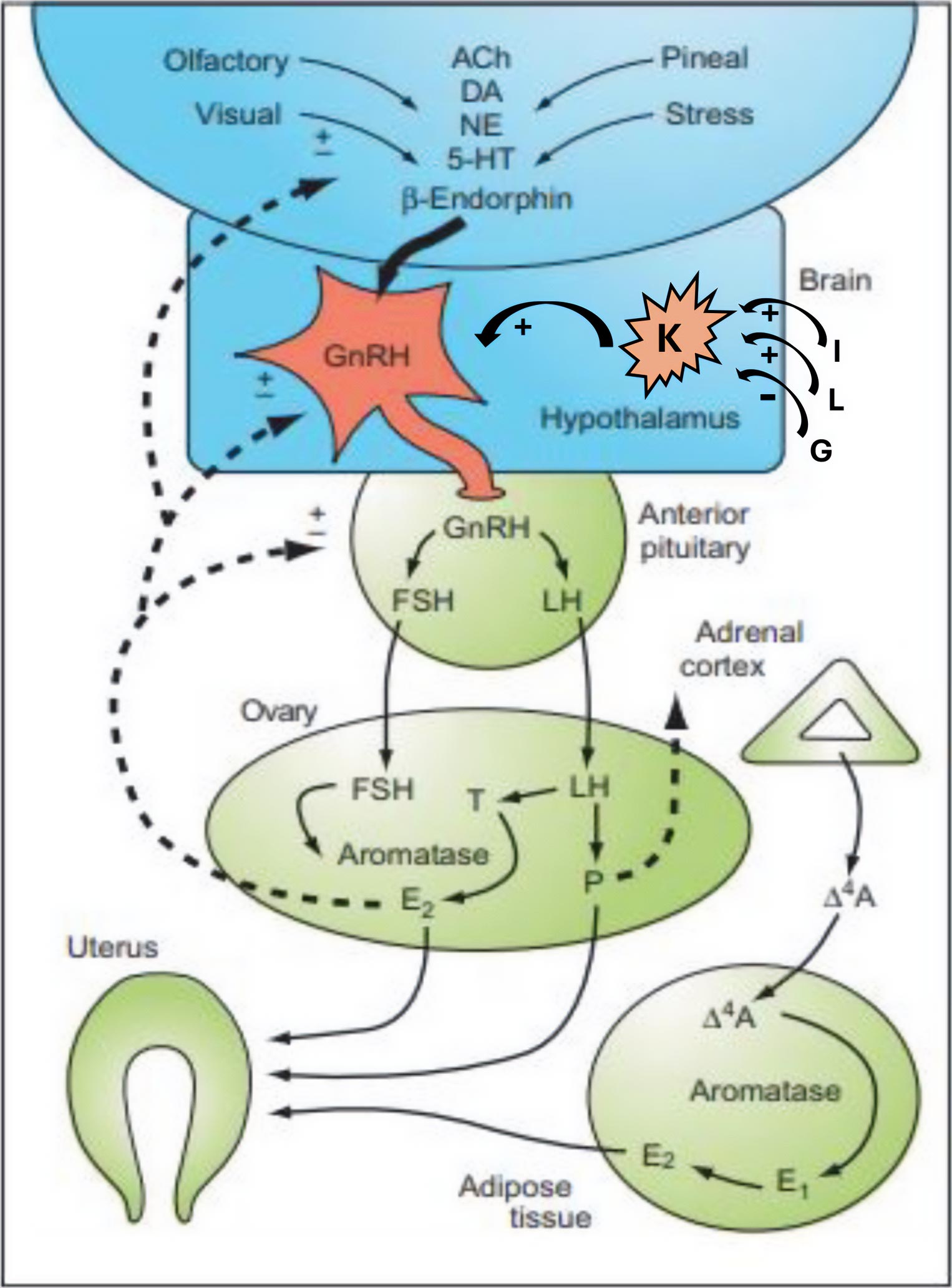
The review highlights the various ways sex hormones affect brain function, including direct interactions with nerve cells, epigenetic changes, and their role in the recently discovered glymphatic system, which helps clear waste from the brain.
Professor Schipper’s analysis covers a broad spectrum of neurological disorders, including:
- Vascular disorders such as migraine (affecting up to 60% of female sufferers during menstruation) and stroke
- Movement disorders, particularly Parkinson’s disease, Wilson’s disease, and various forms of chorea
- Epilepsy, especially its relationship with hormonal cycles
- Multiple sclerosis, which often shows distinct patterns during pregnancy
- Alzheimer’s disease and its complex relationship with hormonal factors
- Sleep disorders, which show significant gender-based differences
- Brain tumors, particularly hormone-sensitive meningiomas
- Neuromuscular conditions like myasthenia gravis
- Other conditions, including intracranial hypertension and the porphyrias
Key Findings: The Intersection of Hormones and Neurology
“Our understanding of how reproductive hormones impact neurological conditions has expanded dramatically,” explains Professor Schipper. “These hormones don’t just affect reproductive functions – they fundamentally influence how the nervous system develops, functions, and responds to injury or disease.”
The review highlights several key findings:
- Induction of the cytochrome P450 system in the liver by various anti-epileptic and other neurological pharmaceuticals may accelerate the breakdown of circulating sex steroids resulting in oral contraceptive failure
- Neurosteroids, which are hormone-derived molecules produced in the brain, have significant therapeutic potential
- Hormonal fluctuations during menstruation, pregnancy, and menopause can substantially impact disease manifestation and treatment responses
- Sex-specific approaches may be necessary for treating many neurological conditions
The research raises important questions for future investigation, including:
- How do sex hormones interact with the brain’s waste clearance (glymphatic) system?
- Could targeting neurosteroid pathways offer new therapeutic approaches?
- How might hormone-based treatments be optimized for individual patients?
These findings have significant implications for clinical practice, suggesting neurologists should routinely consider hormonal factors when evaluating and treating patients. “The key is understanding exactly how these hormones work in different contexts,” notes Professor Schipper. “This knowledge could lead to more personalized treatment approaches.”
A Festschrift Tribute to Dr. Seymour Reichlin
This article appears in a special Festschrift honoring the life and achievements of Dr. Seymour Reichlin, who celebrated his 100th birthday last year. A distinguished physician-scientist, Dr. Reichlin revolutionized our understanding of neuroendocrinology and pioneered early investigations into how the immune system converses with endocrine pathways. His decades of mentorship and research shaped modern explorations in neuroimmunology, influencing a wide circle of clinicians and scholars. At a century of age, Dr. Reichlin remains cognitively sharp, fully functional, and consistently inspirational to colleagues. As the research community commemorates his milestone, the article builds on his early insights, extending the field’s appreciation of how genes and environment collectively mold our physiological responses.
“Dr. Reichlin’s mentorship during my fellowship at Tufts continues to inform my career,” reflects Professor Schipper. “His visionary work on neuroendocrine interactions opened new avenues for understanding how hormones influence neurological disease.”
A Legacy of Discovery and Innovation
By weaving together Dr. Reichlin’s visionary legacy with today’s technological advancements, this Festschrift article underscores a remarkable continuum of innovation. From the earliest hormone assays to today’s genomic profiling tools, scientific progress repeatedly returns to the core concept that biology is neither solely genetic nor purely environmental but a dynamic mix of both.
Reference: “Sex hormones and diseases of the nervous system” by Hyman M. Schipper, 18 February 2025, Brain Medicine.
DOI: 10.61373/bm025w.0008
Never miss a breakthrough: Join the SciTechDaily newsletter.
Follow us on Google and Google News.
9 Comments
Sounds amazing! I can’t wait to read something that gives us some actionable information instead of this…commercial.
The DOIs are listed at the end of the articles so you can go read the details yourself.
I found the full journal article after much searching. Here’s a link:
https://genomicpress.kglmeridian.com/view/journals/brainmed/aop/article-10.61373-bm025w.0008/article-10.61373-bm025w.0008.xml
While there is a “DOI” number at the end of the article, it’s not an actual link. The person responding to you should have given you the link instead of just saying that you can go find it yourself. That was unprofessional
The DOI is a link. A reason not to provide links but e.g. citations is that this site puts a comment with links in a moderation queue.
It was a Festschrift honoring a prominent researcher, not a “commercial”.
If it was the capitol T’s fault for all that it’d be all over this article. They wouldn’t be able to help themselves. I’d be just another ” men are trash” article.
Can you link even a single scientific article that matches your description?
For the record, the capital T is mentioned in this, but I guess the pictures were too complicated and you don’t recognize T as a sex hormone.
Science is not politics, but its use by e.g. politicians can be.
So… Is sex good or bad?