
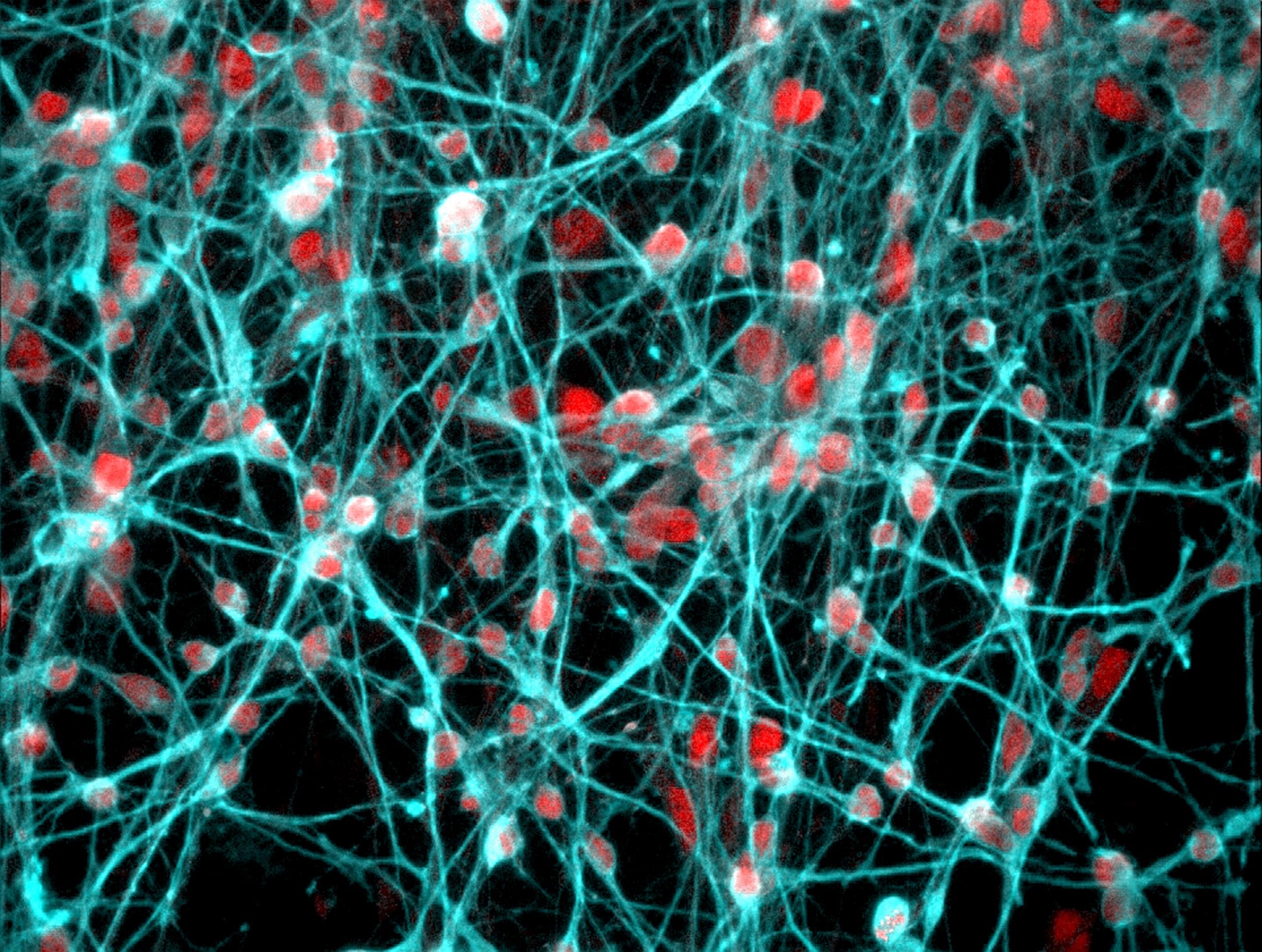
Stress hormones act on brain genes tied to mental illness, revealing mechanisms linking chronic stress to depression and PTSD.
Chronic stress is a well-known cause for mental health disorders. New research has moved a step forward in understanding how glucocorticoid hormones (‘stress hormones’) act upon the brain and what their function is. The findings could lead to more effective strategies in the prevention and treatment of mental health disorders.
The study, led by academics at the University of Bristol and published today (August 6, 2021) in Nature Communications, has discovered a link between corticosteroid receptors – the mineralocorticoid receptor (MR) and the glucocorticoid receptor (GR) — and ciliary and neuroplasticity genes in the hippocampus, a region of the brain involved in stress coping and learning and memory.
The aim of the research was to find out what genes MR and GR interact with across the entire hippocampus genome during normal circadian variation and after exposure to acute stress. The research team also wanted to discover whether any interaction would result in changes in the expression and functional properties of these genes.
The study combined advanced next-generation sequencing, bioinformatics, and pathway analysis technologies to enable a greater understanding into glucocorticoid hormone action, via MRs and GRs, on gene activity in the hippocampus.
The researchers found a previously unknown link between the MR and cilia function. Cilia are small hair-like structures that protrude from cell bodies. Effective cilia function is vitally important for brain development and ongoing brain plasticity, but how their structure and function is regulated in neurons is largely unknown.
The discovery of the novel role of MR in cilia structure and function in relation to neuronal development has increased knowledge of the role of these cell structures in the brain and could help resolve cilia-related (developmental) disorders in the future.
Links Between Stress Hormones and Neuroplasticity Genes
The team also found that MR and GR interact with many genes which are involved in neuroplasticity processes, such as neuron-to-neuron communication and learning and memory processes. Some of these genes, however, have been linked to the development of mental health disorders like major depression, anxiety, PTSD as well as schizophrenia spectrum disorders. Consequently, glucocorticoid hormone dysfunction, as observed in chronic stress, could have a harmful effect on mental health through their action on these vulnerability genes, providing a potential new mechanism to explain the long-known involvement of glucocorticoids in the etiology of mental health disorders.
Although further research on the role glucocorticoid hormones play in the regulation of these genes is needed, the findings fill the gap between the long-known involvement of glucocorticoids in mental health disorders and the existence of vulnerability genes.
Hans Reul, Professor of Neuroscience in Bristol Medical School: Translational Health Sciences (THS), said: “This research is a substantial step forward in our efforts to understand how these powerful glucocorticoid hormones act upon the brain and what their function is.
“We hope that our findings will trigger new targeted research into the role these hormones play in the etiology of severe mental disorders like depression, anxiety, and PTSD.”
Next steps for the research include studying how glucocorticoid hormone action via MR and GR on the hippocampus genome changes under chronic stress conditions and, thanks to a new BBSRC grant, glucocorticoid action via MR and GR upon the female brain genome. Very little is known about this research area in females as most studies on stress and glucocorticoid hormones have been conducted in males.
The study, supported by the BBSRC and a Wellcome Trust Neural Dynamics PhD studentship, was carried out by the Neuro-Epigenetics Research Group led by Professor Hans Reul and Dr. Karen Mifsud, in collaboration with Bristol’s Stem Cell Biology Group — Dr. Oscar Cordero Llana and Ms. Andriana Gialeli — and sequencing specialists and bioinformaticians at the University of Oxford.
Reference: “Distinct regulation of hippocampal neuroplasticity and ciliary genes by corticosteroid receptors” by Karen R. Mifsud, Clare L. M. Kennedy, Silvia Salatino, Eshita Sharma, Emily M. Price, Samantha N. Haque, Andriana Gialeli, Hannah M. Goss, Polina E. Panchenko, John Broxholme, Simon Engledow, Helen Lockstone, Oscar Cordero Llana and Johannes M. H. M. Reul, 6 August 2021, Nature Communications.
DOI: 10.1038/s41467-021-24967-z
Never miss a breakthrough: Join the SciTechDaily newsletter.
Follow us on Google and Google News.