
Close Menu
    Facebook X (Twitter) Instagram
    SciTechDaily
    • Biology
    • Chemistry
    • Earth
    • Health
    • Physics
    • Science
    • Space
    • Technology
    Facebook X (Twitter) Pinterest YouTube RSS
    SciTechDaily
    Home»Health»New Study: Blood Pressure Swings May Accelerate Cognitive Aging
    Health

    New Study: Blood Pressure Swings May Accelerate Cognitive Aging

    By American Academy of NeurologyDecember 31, 20243 Comments3 Mins Read
    Facebook Twitter Pinterest Telegram LinkedIn WhatsApp Email Reddit
    Share
    Facebook Twitter LinkedIn Pinterest Telegram Email Reddit
    Blood Pressure Cardiology Concept
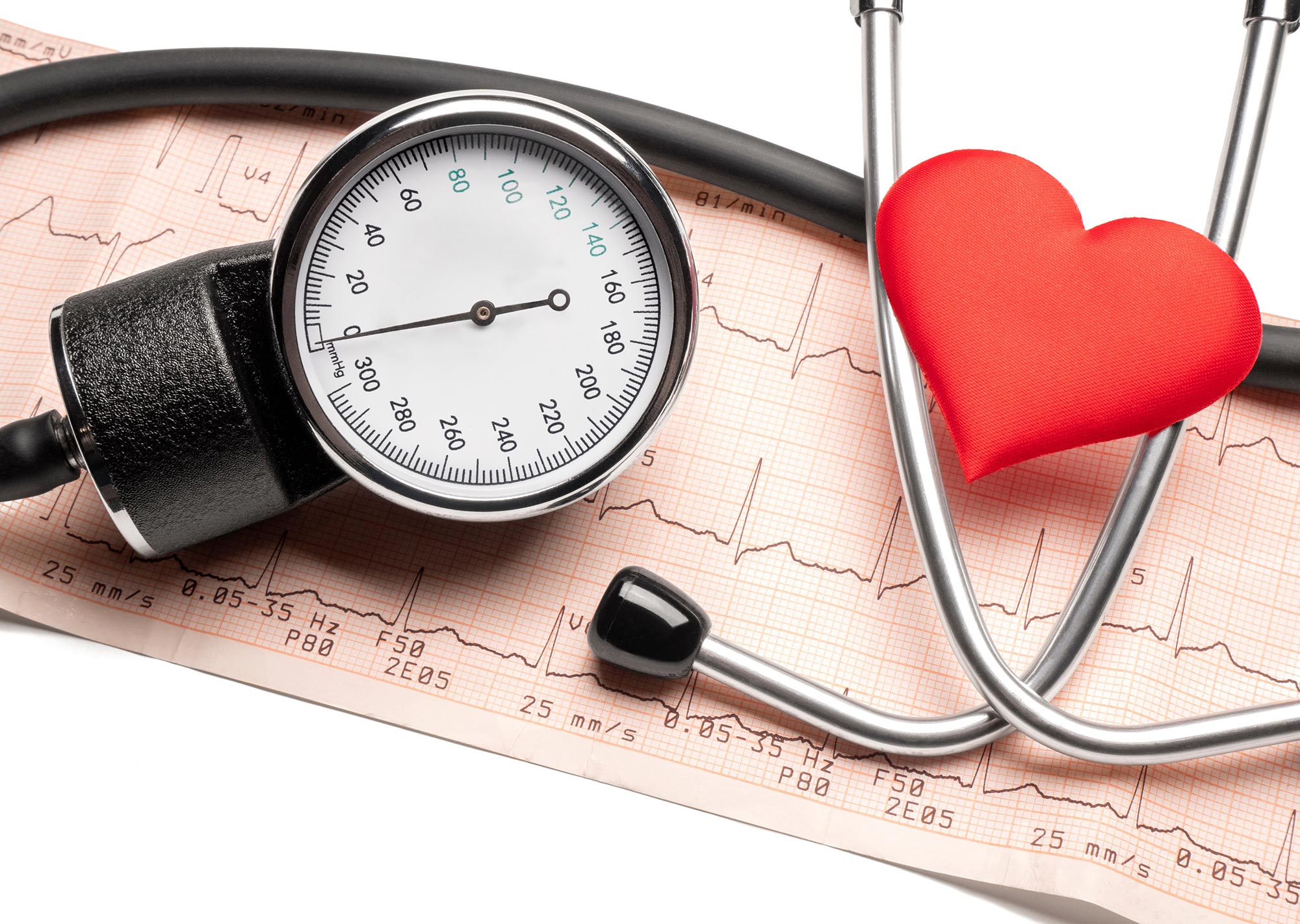
    A recent study published in Neurology highlights a potential link between fluctuating blood pressure and cognitive decline in older adults, particularly among Black participants. Researchers found that those with the highest variability in systolic blood pressure had lower cognitive test scores, equating to nearly three years of cognitive aging. This association was not observed in white participants or individuals taking blood pressure medication.

    A study links fluctuating blood pressure to cognitive decline in Black older adults, equating to nearly three years of cognitive aging.

    Older adults experiencing fluctuations in blood pressure over time may face a higher risk of difficulties with thinking and memory, according to a study published on December 11, 2024, in Neurology, the medical journal of the American Academy of Neurology. The findings revealed this association among Black participants but not white participants.

    It’s important to note that the study does not establish a cause-and-effect relationship between blood pressure variability and cognitive problems; it only identifies a correlation.

    “These results suggest that fluctuation in blood pressure is a risk factor for cognitive problems beyond the negative effects of high blood pressure itself,” said study author Anisa Dhana, MD, MSc, of Rush University in Chicago. “Older adults should be routinely monitored for their blood pressure and any changes over time so we can identify people who may have this issue and work to alleviate it, which could potentially help to prevent or delay cognitive problems.”

    Study Details and Participant Analysis

    The study involved 4,770 people with an average age of 71; 66% were Black participants, and the remaining were white participants.

    Participants had blood pressure tests at the beginning of the study and then every three years for an average of 10 years. They also completed thinking and memory skills tests at the beginning and at their last visit.

    Overall, the participants had an average blood pressure of 138/78 mmHg. High blood pressure is defined as 130/80 mmHg and higher.

    Cognitive Impact of Blood Pressure Variability

    Black participants in the study had an average variation over time in their systolic blood pressure, which is the top number, of 18 mmHg, compared to 16 mmHg for white participants.

    The participants were divided into three groups based on how much their blood pressure varied over time. For Black participants, those with the most variability in their blood pressure had lower scores on the cognitive tests than those with the least variability. The difference in scores was the equivalent of 2.8 years of cognitive aging.

    For people taking blood pressure medications at the start of the study, there was no difference in scores on thinking tests at the end of the study among the groups with high and low blood pressure variation.

    “With our aging society and the prevalence of Alzheimer’s disease, identifying prevention strategies to slow the decline of cognitive skills in older adults has become a public health priority,” Dhana said. “Managing blood pressure and its fluctuations is emerging as an essential risk factor that can be modified.”

    A limitation of the study is that participants were Black and white people, so the results may not apply to people of other races.

    Reference: “Blood Pressure Variability and Cognition in Black and White Older Adults Over 18 Years of Follow-upA Population-Based Cohort Study” by Anisa Dhana, Charles S. DeCarli, Klodian Dhana, Pankaja Desai, Denis A. Evans and Kumar B. Rajan, 11 December 2024, Neurology.
    DOI: 10.1212/WNL.0000000000210151

    The study was supported by the National Institute on Aging and the Alzheimer’s Association.

    Never miss a breakthrough: Join the SciTechDaily newsletter.
    Follow us on Google and Google News.

    American Academy of Neurology Blood Pressure Cognition Neurology Public Health
    Share. Facebook Twitter Pinterest LinkedIn Email Reddit

    Related Articles

    Brain Fog Epidemic? Memory Problems Have Nearly Doubled in Adults Under 40, Study Finds

    Teenage E-Cigarette Use Linked to Frequent Headaches

    Groundbreaking Study Reveals Hidden Brain Risks in Heart Disease Patients

    “Concerning” Findings – Study Links Everyday Chemicals to Parkinson’s Disease in Western U.S.

    Very Tired Even After a Good Night’s Sleep? You Might Have Idiopathic Hypersomnia

    New Research Reveals How Vitamin B-Related Amino Acids Could Increase Your Risk of Dementia

    New Study Suggests That Long COVID May Affect Millions More People Than Previously Thought

    Fluctuating Levels of Cholesterol Associated With an Increased Risk of Dementia

    Warning: Use of Popular Acid Reflux Medications Linked to 33% Higher Risk of Dementia

    3 Comments

    1. Deborah on December 31, 2024 6:31 pm

      What
      Natural herbs are good for blood pressure that relate to stress .

      Reply
      • Summer Verano on January 1, 2025 5:45 am

        Herbs with lots of potassium: elderberry flower, dandelion, honeysuckle, marigold, mint

        Reply
    2. Hannah on January 5, 2025 12:08 pm

      Ashwaganda and Maca.

      Also, not an herb but a supplement of something your cells are supposed to create, called Alpha Lipoic Acid.

      Reply
    Leave A Reply Cancel Reply

    • Facebook
    • Twitter
    • Pinterest
    • YouTube

    Don't Miss a Discovery

    Subscribe for the Latest in Science & Tech!

    Trending News

    Millions Take These IBS Drugs, But a New Study Finds Serious Risks

    Scientists Unlock Hidden Secrets of 2,300-Year-Old Mummies Using Cutting-Edge CT Scanner

    Bread Might Be Making You Gain Weight Even Without Eating More Calories

    Scientists Discover Massive Magma Reservoir Beneath Tuscany

    Europe’s Most Active Volcano Just Got Stranger – Here’s Why Scientists Are Rethinking It

    Alzheimer’s Symptoms May Start Outside the Brain, Study Finds

    Millions Take This Popular Supplement – Scientists Discover a Concerning Link to Heart Failure

    The Universe Is Expanding Too Fast and Scientists Can’t Explain Why

    Follow SciTechDaily
    • Facebook
    • Twitter
    • YouTube
    • Pinterest
    • Newsletter
    • RSS
    SciTech News
    • Biology News
    • Chemistry News
    • Earth News
    • Health News
    • Physics News
    • Science News
    • Space News
    • Technology News
    Recent Posts
    • U.S. Waste Holds $5.7 Billion Worth of Crop Nutrients
    • Scientists Say a Hidden Structure May Exist Inside Earth’s Core
    • Doctors Surprised by the Power of a Simple Drug Against Colon Cancer
    • Why Popular Diabetes Drugs Like Ozempic Don’t Work for Everyone: The “Genetic Glitch”
    • Scientists Create Improved Insulin Cells That Reverse Diabetes in Mice
    Copyright © 1998 - 2026 SciTechDaily. All Rights Reserved.
    • Science News
    • About
    • Contact
    • Editorial Board
    • Privacy Policy
    • Terms of Use

    Type above and press Enter to search. Press Esc to cancel.