
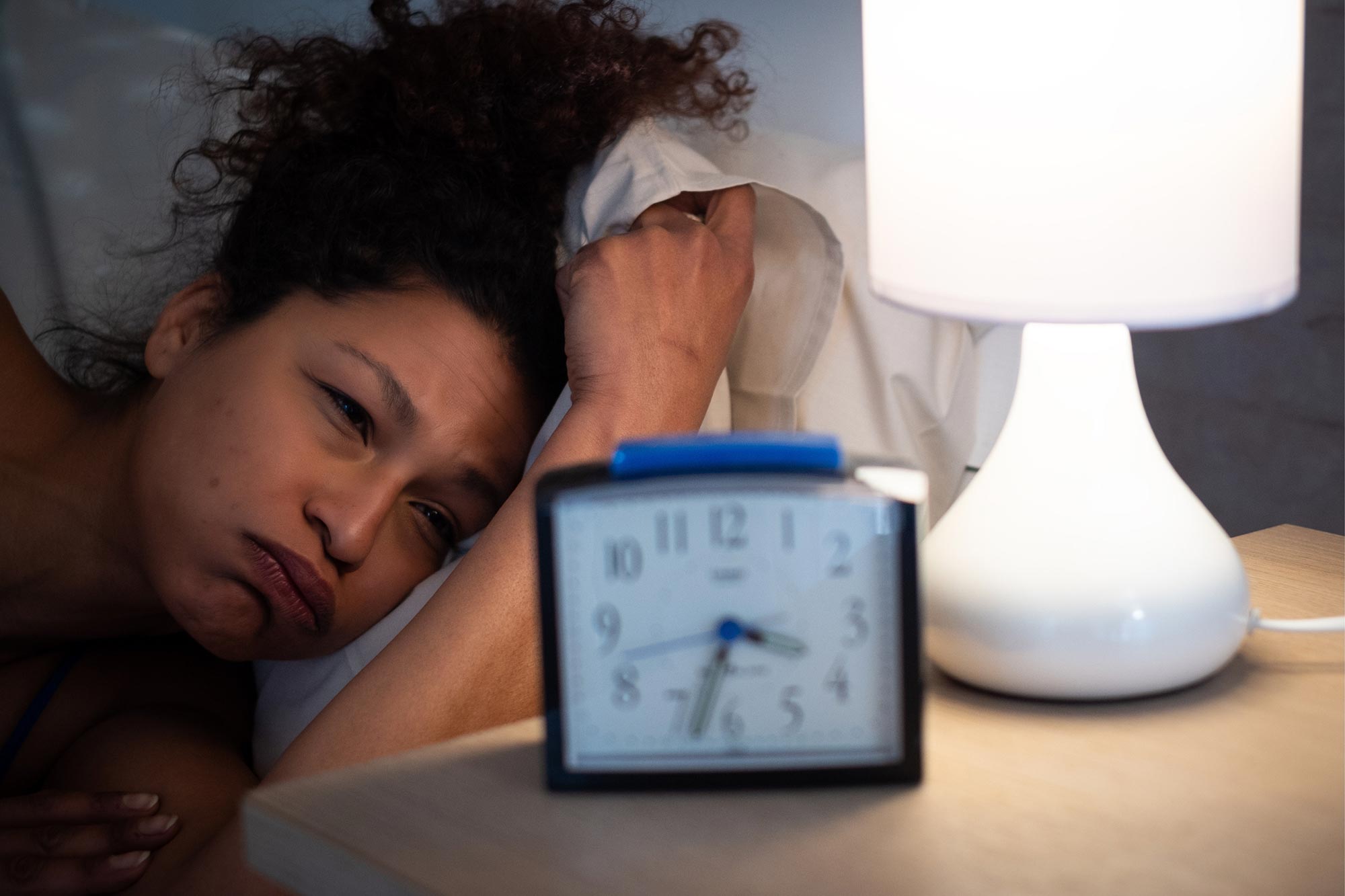
Individuals experiencing excessive daytime sleepiness, even after a good night’s sleep, might suffer from a condition known as idiopathic hypersomnia. Recent research now indicates that this neurological disorder might be more common than previously believed. These findings were recently published in the online edition of Neurology, the official journal of the American Academy of Neurology.
Symptoms of idiopathic hypersomnia include not only being very sleepy during the day, but also sleeping excessive amounts of time, having difficulty waking up, and waking up disoriented. This makes it difficult to complete day-to-day activities, decreasing a person’s quality of life. It differs from narcolepsy. People with narcolepsy are also sleepy during the day but usually do not sleep excessive amounts of time and may wake up feeling refreshed after naps.
Study Details and Findings
“It has been difficult to determine the prevalence of idiopathic hypersomnia because expensive and time-consuming sleep testing is required to make a diagnosis,” said study author David T. Plante, MD, PhD, of the University of Wisconsin–Madison. “We examined data from a large sleep study and found that this condition is much more common than previous estimates, and as prevalent as some other common neurologic and psychiatric conditions such as epilepsy, bipolar disorder, and schizophrenia.”
For the study, researchers examined sleep data for 792 people with an average age of 59. All participants completed an overnight sleep study and a daytime nap study, which measures how fast someone falls asleep over a course of four or five naps. Participants were also surveyed about daytime sleepiness, fatigue, the amount of time napping, and how many hours of sleep they get on a worknight and a nonwork night.
Researchers determined that 12 people had probable cases of idiopathic hypersomnia, for a prevalence of 1.5%. People with the disorder had more severe sleepiness, despite similar or longer sleep times.
On a survey of sleepiness with a score range of zero to 24 that asks questions like how likely a person is to nod off while sitting, talking, and stopped in a car, people with idiopathic hypersomnia had an average score of 14 while those without it had an average score of nine. A score of higher than 10 is of concern.
During the sleep studies, people with idiopathic hypersomnia took an average of four minutes to fall asleep at night and six minutes during naps, compared to an average of 13 minutes at night and 12 minutes during naps for people without the disorder.
Long-term Observations and Study Limitations
Researchers also looked at daytime sleepiness in people with idiopathic hypersomnia over an average of 12 years. They found for the 10 people for whom data were available, excessive daytime sleepiness was often chronic. However, sleepiness went away for four people, or 40% of those studied. Plante noted that not only does that provide hope for people with the disorder, it also underscores the need to further study what leads to remission.
“Our results demonstrate that idiopathic hypersomnia is relatively common, more prevalent than generally assumed, so there is likely a sizable difference between the number of people with this disorder and those who seek treatment,” said Plante. “Further efforts to identify, diagnose and treat those impaired by idiopathic hypersomnia are needed. Additional research may also clarify the causes of idiopathic hypersomnia and lead to new treatments.”
Reference: “Prevalence and Course of Idiopathic Hypersomnia in the Wisconsin Sleep Cohort Study” by David T. Plante, Erika W. Hagen, Jodi H. Barnet, Emmanuel Mignot and Paul E. Peppard, 23 December 2023, Neurology.
DOI: 10.1212/WNL.0000000000207994
A limitation of the study was that study participants were employed, so prevalence could be different in other populations, and may be even higher in the unemployed since people with idiopathic hypersomnia have higher rates of job loss and disability.
The study was funded by Jazz Pharmaceuticals, the maker of a drug used to treat idiopathic hypersomnia, as well as the National Heart, Lung, and Blood Institute and the National Center for Research Resources at the National Institutes of Health. Plante has served as a consultant and on a medical advisory board for Jazz Pharmaceuticals. The authors state that study funders had no involvement in study design, data collection, analysis, or manuscript preparation.
Never miss a breakthrough: Join the SciTechDaily newsletter.
Follow us on Google and Google News.