
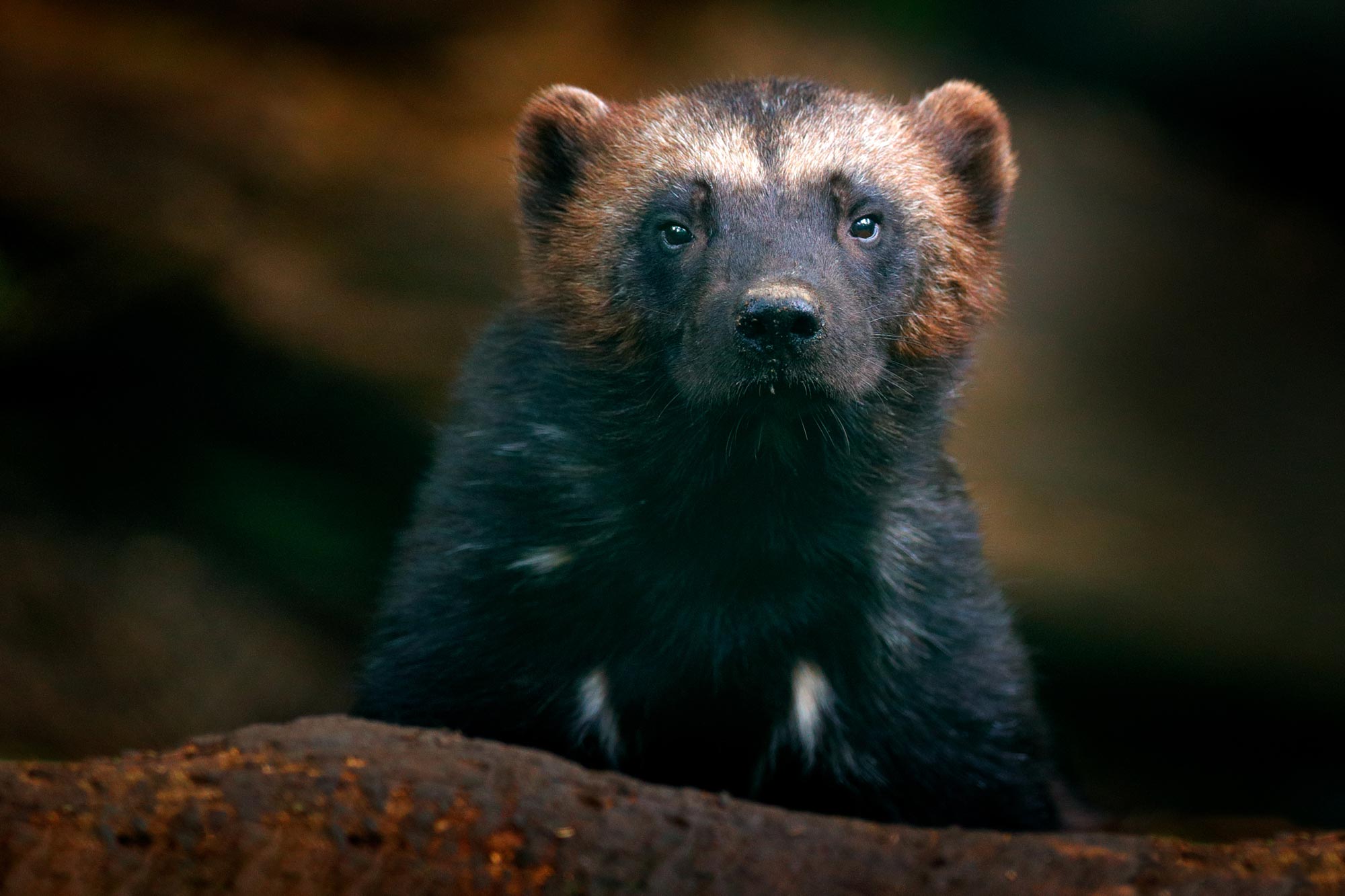
Sweden’s celebrated wolverine recovery program is losing momentum, raising concerns about the future of one of the world’s most famous conservation success stories.
A conservation program once praised as a global model for helping people and wildlife coexist may be losing its effectiveness because of decades of inadequate government support, according to new research.
In 2015, Sweden received international recognition after a study found that its Conservation Performance Payment (CPP) program, the oldest initiative of its kind, had helped endangered wolverines recover.
More than 10 years later, however, researchers say the program is no longer delivering the same results. The initiative was designed to benefit both wolverines and the Indigenous Sámi reindeer herders who share the landscape with them, but new findings suggest that its early success is fading.
Researchers from the University of York and the Swedish Agricultural University found that documented wolverine numbers have dropped sharply in key northern regions. At the same time, government funding has remained unchanged for two decades, and many local communities report declining confidence in the program.
The findings, published in Conservation Letters, suggest that governments can undermine long-term conservation gains when they fail to address the ongoing financial and social impacts of wildlife recovery. In those situations, local communities often end up carrying the costs.
Sweden’s Groundbreaking Wolverine Conservation Program
Dr. Hanna Pettersson of the University of York’s Leverhulme Centre for Anthropocene Biodiversity explained that the program was considered innovative when it launched in 1996.
“Implemented in 1996, the scheme was at the time revolutionary. Instead of paying reindeer herders for damages caused by predators, the government paid communities for coexisting with them, whether or not damage actually occurs.
“The idea is to tie an income to the presence of the predator, providing an incentive to find ways to live alongside them, thus decreasing conflicts and improving social justice.
“Initial findings showed encouraging results of the scheme, namely a marked increase of the wolverine population, but after studying 30 years of data from the scheme, we have shown that this success has not been sustained.”
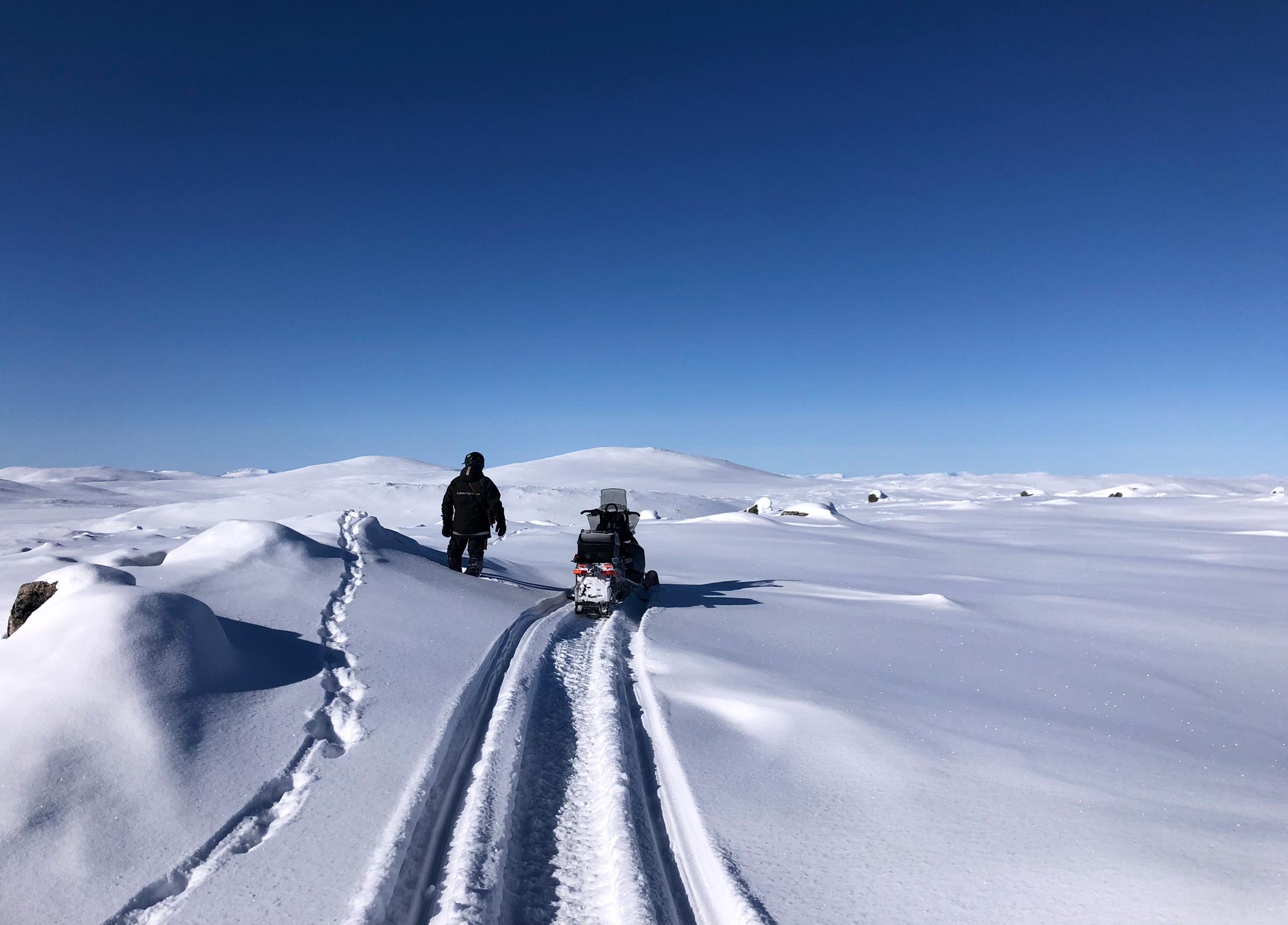
To investigate the program’s long-term performance, Dr. Pettersson accompanied wildlife rangers working in the Arctic. The research team also combined ecological monitoring records with interviews conducted in Norrbotten, Sweden’s northernmost county.
According to the researchers, the results reveal a program under strain and offer a cautionary lesson for conservation efforts around the world.
Wolverine Numbers Decline in Northern Strongholds
The study found that wolverines are continuing to spread into southern Sweden, but populations are declining in the areas where they have traditionally been strongest.
In the early 2000s, Norrbotten accounted for roughly two-thirds of all documented wolverine reproductions in Sweden. Today, that figure has fallen to less than one-third. The region also consistently fails to meet its minimum conservation targets.
Researchers point to stagnant funding as one factor behind the decline.
Dr. Pettersson said: “The payments to the reindeer herders from the scheme have remained frozen at 200,000 SEK per predator reproduction since 2002, but due to rising costs and meat prices, the real value of the payment has approximately halved over the last two decades.
“While the Sámi Parliament calculates the legal payout should be at least 480,000 SEK to comply with the law, the government offered only a 25,000 SEK increase in 2024.”
Climate Change Adds New Challenges
The researchers also found that climate change is creating additional difficulties for the program.
Changing Arctic snow conditions have made wolverine tracks harder to detect, complicating efforts to monitor the animals. As a result, documented population numbers may not fully reflect reality. The study notes that many otherwise clear observations of wolverines have been rejected because they did not meet strict documentation requirements.
Dr. Pettersson warned that conservation programs must evolve as conditions change.
“If a government fails to adapt payments to rising costs of coexistence, the burden is shifted onto local, often marginalized, communities, who in this case are already straining under the cumulative impacts of mining, forestry, and climate change.
“It is a warning sign for other global conservation efforts. Governments must plan ahead and adapt interventions to changing conditions and local needs.”
Reference: “The Paradox of Success in Conservation Performance Payments: Rising Costs and Declining Trust in Sweden’s Carnivore Policy” by Hanna L. Pettersson, Malin Aronsson and Jens Persson, 31 May 2026, Conservation Letters.
DOI: 10.1111/con4.70057
Never miss a breakthrough: Join the SciTechDaily newsletter.
Follow us on Google and Google News.
3 Comments
Wildlife Need Habitat Off-Limits to Humans!
A URL is not spam! Don’t censor!
Embed the URL link in a longer comment and see if that helps. I’ve encountered the same issue with this website. Arbitrary blocking/deleting of comments by the moderators has caused me to visit this site less often than I used to.