
Close Menu
    Facebook X (Twitter) Instagram
    SciTechDaily
    • Biology
    • Chemistry
    • Earth
    • Health
    • Physics
    • Science
    • Space
    • Technology
    Facebook X (Twitter) Pinterest YouTube RSS
    SciTechDaily
    Home»Health»Tick Found in Austin Apartment Linked to Rare Relapsing Fever
    Health

    Tick Found in Austin Apartment Linked to Rare Relapsing Fever

    By Baylor College of MedicineAugust 5, 2026No Comments3 Mins Read
    Facebook Twitter Pinterest Telegram LinkedIn WhatsApp Email Reddit
    Share
    Facebook Twitter LinkedIn Pinterest Telegram Email Reddit
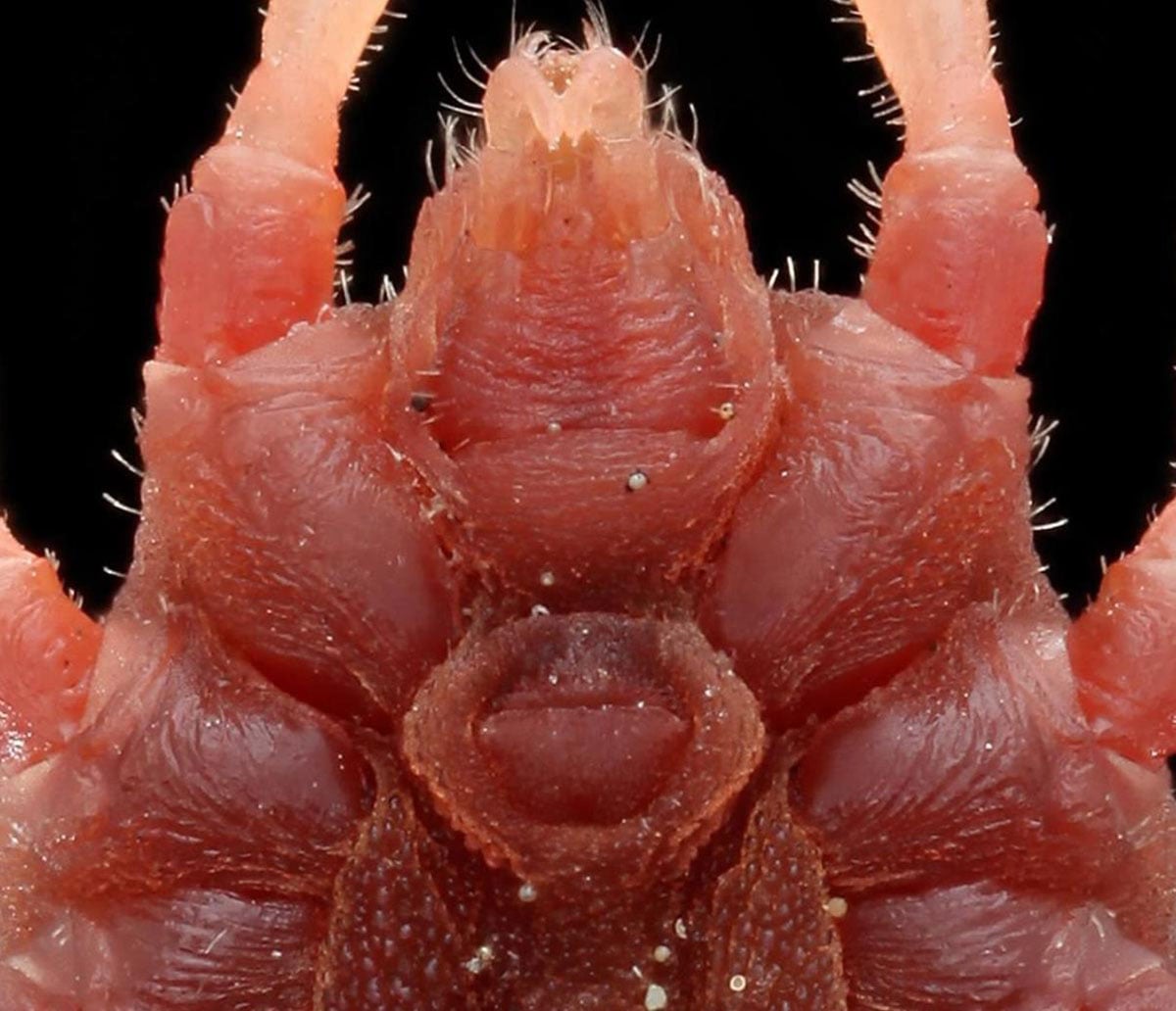
    Ornithodoros turicata
    Ornithodoros turicata is a soft tick found in parts of the southern United States and Mexico. It can transmit Borrelia turicatae, the bacterium that causes soft tick-borne relapsing fever, and may live in animal shelters, caves, and occasionally buildings. Credit: U.S. Army Center for Health Promotion and Preventive Medicine

    A likely urban case of soft tick-borne relapsing fever shows that infected ticks may be present inside Texas homes.

    While sitting inside an Austin apartment, a resident discovered an engorged tick attached to their ankle. Testing later connected the tick to a likely case of soft tick-borne relapsing fever (STRF), raising concerns that infected soft ticks may pose a risk in urban neighborhoods and homes, not only in rural areas.

    Researchers at Baylor College of Medicine and the Texas Department of State Health Services reported the case in Open Forum Infectious Diseases.

    A household tick revealed the pathogen

    The resident sent the living tick to the Texas Department of State Health Services Zoonosis Control Branch (ZCB). After initial testing, the ZCB warned the resident that the tick might carry bacteria capable of causing STRF.

    The specimen was then transferred to Dr. Job Lopez’s laboratory at Baylor College of Medicine for identification and further analysis. Researchers determined that it was Ornithodoros turicata, a species of soft tick, and confirmed that it carried Borrelia turicatae, the bacterium responsible for STRF.

    Laboratory experiments showed that the tick was capable of transmitting the bacteria, while genetic testing confirmed the pathogen’s identity.

    Several weeks before discovering the tick, the patient had developed repeated episodes of high fever, chills, fatigue, headaches, nausea, and a rash. Facial paralysis appeared later, leading to several emergency room visits and eventual hospitalization. Physicians screened the patient for numerous infections, including Lyme disease, but were unable to establish a clear diagnosis at the time.

    Urban exposure broadens the risk

    The case indicates that infected soft ticks may occur in city parks, residential neighborhoods, and homes as well as rural environments. The researchers called for greater awareness among healthcare providers, better diagnostic tools, and more extensive monitoring of soft tick populations in urban areas of Texas.

    Recognizing STRF earlier could reduce missed diagnoses and help patients receive appropriate care sooner.

    Reference: “Human Exposure to Spirochete-Infected Ornithodoros turicata in a Residential Setting in the Austin, Texas Metropolitan Area” by Serhii Filatov, Bonny Mayes, Sarah M Gunter, Alexander R Kneubehl and Job E Lopez, 24 July 2026, Open Forum Infectious Diseases.
    DOI: 10.1093/ofid/ofag428

    Never miss a breakthrough: Join the SciTechDaily newsletter.
    Follow us on Google and Google News.

    Bacteria Baylor College of Medicine Epidemiology Infectious Diseases Public Health Ticks
    Share. Facebook Twitter Pinterest LinkedIn Email Reddit

    Related Articles

    C. Difficile – Bacteria That Causes Severe Diarrhea – Is Everywhere

    Research Reveals Potential New Strategy To Combat Urinary Tract Infections (UTI)

    Fasting May Help Ward Off Infections – Protects Against Foodborne Illness Such As Salmonella

    Warning: Dog Food Sold Across Europe Contains Antibiotic-Resistant Bacteria – Including “Superbugs”

    “Hidden” Genes in Bacteriophages Could Be Key in Development of New Antibiotics

    With COVID-19 Exacerbating the Threat of Superbugs, Researchers ID New Chemical Weapon

    Infectious Diseases Experts: Superbugs on Track to Kill More People Than COVID-19

    Dog Ticks More Likely to Choose Humans Over Canines When Temperatures Rise

    Supercharged Bacterial “Clones” Spark Scarlet Fever’s Global Re-emergence

    Leave A Reply Cancel Reply

    • Facebook
    • Twitter
    • Pinterest
    • YouTube

    Don't Miss a Discovery

    Subscribe for the Latest in Science & Tech!

    Trending News

    1.4-Million-Year-Old Footprints Reveal a Giant Human Relative

    Astronomers May Have Found the First Moon Beyond Our Solar System

    Underwater Cameras Expose the Secret Lives of Whale Sharks

    Why Dreaming Leaves the Brain Running Low on Energy

    CERN Experiments Detect Signs of the Universe’s Primordial Matter

    Study Finds a Surprising Link Between Gut Microbes and Aging

    Frequent Cannabis Users Wake Up With More “Stress Hormone”

    Scientists Reveal Hidden DNA Traces in the Shroud of Turin

    Follow SciTechDaily
    • Facebook
    • Twitter
    • YouTube
    • Pinterest
    • Newsletter
    • RSS
    SciTech News
    • Biology News
    • Chemistry News
    • Earth News
    • Health News
    • Physics News
    • Science News
    • Space News
    • Technology News
    Recent Posts
    • Tick Found in Austin Apartment Linked to Rare Relapsing Fever
    • Ozempic Changes Your Body, but Does It Change Your Life? A New Study Suggests Not
    • Super-Deep Diamond Reveals How Water Travels to the Earth’s Interior
    • 300-Million-Year-Old Fossil Babies Challenge the Textbook Story of Life’s Move Onto Land
    • Ancient Super-Eruptions May Have Frozen Earth for Centuries
    Copyright © 1998 - 2026 SciTechDaily. All Rights Reserved.
    • Science News
    • About
    • Contact
    • Editorial Board
    • Privacy Policy
    • Terms of Use

    Type above and press Enter to search. Press Esc to cancel.