
Close Menu
    Facebook X (Twitter) Instagram
    SciTechDaily
    • Biology
    • Chemistry
    • Earth
    • Health
    • Physics
    • Science
    • Space
    • Technology
    Facebook X (Twitter) Pinterest YouTube RSS
    SciTechDaily
    Home»Space»Out of This World Archaeological Experiment Lands in Space
    Space

    Out of This World Archaeological Experiment Lands in Space

    By Flinders UniversityJanuary 20, 20222 Comments3 Mins Read
    Facebook Twitter Pinterest Telegram LinkedIn WhatsApp Email Reddit
    Share
    Facebook Twitter LinkedIn Pinterest Telegram Email Reddit
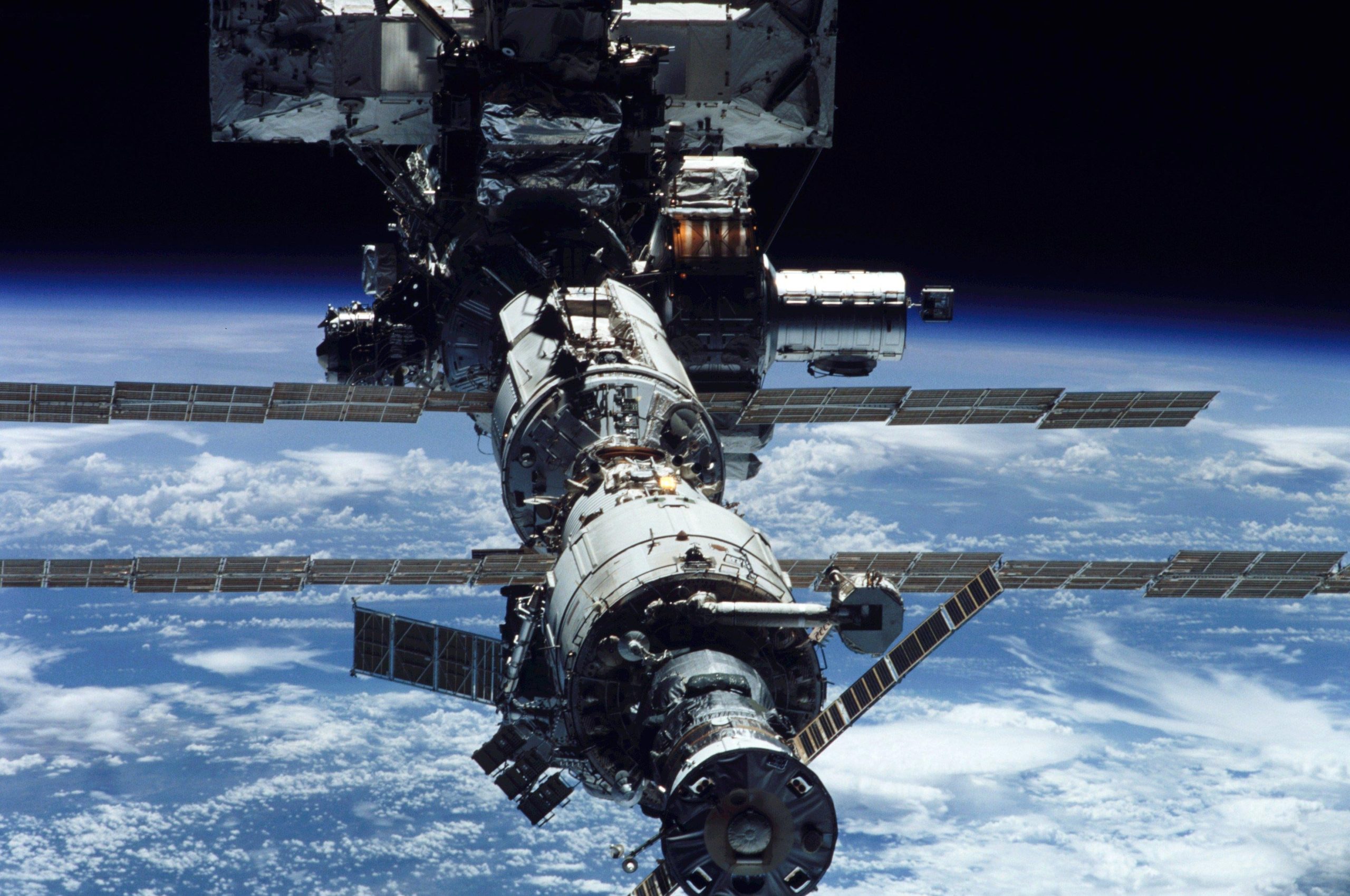
    Space Station Close Up
    The ISS Archaeological Project explores how astronauts use and interact with their environment on the International Space Station through a unique methodology involving daily photography of designated areas. This groundbreaking study offers a fresh perspective on human behavior in space.

    Archaeologists have initiated a first-of-its-kind study aboard the International Space Station to analyze astronaut interaction with their surroundings, using daily photos to track changes and usage within taped-off areas.

    A world-first – or solar system-first – archaeological project has this week begun on the International Space Station.

    Led by archaeologists Associate Professor Alice Gorman from Flinders University and Associate Professor Justin Walsh of Chapman University in California, the International Space Station Archaeological Project (ISSAP) is the first archaeological study of a space habitat.

    “We’re the first to try to understand how humans relate to the items they live within space,” says Associate Professor Walsh.

    “By bringing archaeological perspectives to an active space domain, we’re the first to show how people adapt their behavior to a completely new environment.”

    The team’s first project, Sampling Quadrangle Assemblages Research Experiment, or SQuARE, has now launched, with an experiment that creatively imagines for space the most basic technique for sampling an archaeological site: the test pit.

    ISS International Space Station Over Earth
    The SQuARE Project is the first archaeological study of a space habitat. Credit: NASA

    While earth-bound archaeologists dig one-meter squares to understand a site and strategize further study, the ISSAP team will use adhesive tape to define one-meter areas of the International Space Station and then use daily photographs to study how the spaces are used.

    “Instead of digging them to reveal new layers of soil representing different moments in the site’s history, we will have them photographed each day to identify how they’re being used and how they change over time,” explains Associate Professor Gorman.

    Set up by NASA astronaut Kayla Barron on Friday afternoon GMT (the time zone of the ISS), the squares have been placed in a handful of locations representing work and leisure, including a galley table, workstation, EXPRESS racks, and the wall across from the latrine.

    As part of the experiment, the ISS crew themselves also chose an additional location for study, based on their assessment of what would be interesting to document, with the final square placed on one of the racks in the US laboratory module, Destiny.

    The daily photography is now underway and will continue for 60 days.

    The project has been funded by the Chapman University and implemented with the assistance of Axiom Space.

    Never miss a breakthrough: Join the SciTechDaily newsletter.
    Follow us on Google and Google News.

    Archaeology Flinders University International Space Station Popular
    Share. Facebook Twitter Pinterest LinkedIn Email Reddit

    Related Articles

    Space Archaeology: Astronauts’ Secret Habits Caught on Camera

    Starliner Astronauts in Limbo: Why NASA Just Hit the Pause Button on SpaceX Crew-9

    Fiery Success: NASA and Boeing’s Starliner Hot Fire Thruster Test Yields Impressive Results

    NASA, Boeing Complete Starliner Engine Testing – What’s Next for the Troubled Spacecraft?

    Starliner’s Final Countdown: New Thruster Testing Before Earth Return

    Boeing’s Starliner Stuck at Space Station: Unraveling Helium Leaks and Thruster Troubles

    Liftoff! NASA Astronauts Pilot First Boeing Starliner Crewed Mission to Space Station

    NASA Solves Mystery: Identifies Object That Crashed Into Florida Home

    Experience the Solar Eclipse Through the Eyes of Space Station Astronauts

    2 Comments

    1. Sekar on January 20, 2022 11:23 pm

      Interesting.

      Have always wondered if Archeological digs are possible without actually digging.

      Virtual acgheology? We can probably do the same for planets and moons in our solar system as well by digging digital virtual squares and examining the material in that square remotely from the Main Space Satellite circling the planet / moon or other rocky space body!

      Getting the accurate data is the key. For benchmarking use the actual digs on earth and compare the data with the Virtual Digital Digs. Will improve accuracy of conclusions drawn.

      Views expressed are personal and not binding on anyone.

      Reply
    2. kamir bouchareb st on January 24, 2022 12:02 am

      goooooooooooooooooood

      Reply
    Leave A Reply Cancel Reply

    • Facebook
    • Twitter
    • Pinterest
    • YouTube

    Don't Miss a Discovery

    Subscribe for the Latest in Science & Tech!

    Trending News

    Mezcal “Worm” in a Bottle Mystery: DNA Testing Reveals a Surprise

    New Research Reveals That Your Morning Coffee Activates an Ancient Longevity Switch

    This Is What Makes You Irresistible to Mosquitoes

    Shockingly Powerful Giant Octopuses Ruled the Seas 100 Million Years Ago

    Scientists Stunned by New Organic Molecules Found on Mars

    Rewriting Dinosaur Evolution: Scientists Unearth Remarkable 150-Million-Year-Old Stegosaur Skull

    Omega-3 Supplements Linked to Cognitive Decline in Surprising New Study

    First-of-Its-Kind Discovery: Homer’s Iliad Found Embedded in a 1,600-Year-Old Egyptian Mummy

    Follow SciTechDaily
    • Facebook
    • Twitter
    • YouTube
    • Pinterest
    • Newsletter
    • RSS
    SciTech News
    • Biology News
    • Chemistry News
    • Earth News
    • Health News
    • Physics News
    • Science News
    • Space News
    • Technology News
    Recent Posts
    • Scientists Map Thousands of Brain Connections With RNA Barcodes
    • This Gene Tweak Turns Strawberries Into Healthier, Tastier Superfruit
    • This New Chip Could Make GPUs Far More Efficient
    • This Tiny World in the Outer Solar System Should Be Airless, but It Has an Atmosphere
    • NASA’s Webb Space Telescope Reveals a Dark Airless Super-Earth That Looks Like Mercury
    Copyright © 1998 - 2026 SciTechDaily. All Rights Reserved.
    • Science News
    • About
    • Contact
    • Editorial Board
    • Privacy Policy
    • Terms of Use

    Type above and press Enter to search. Press Esc to cancel.