
Close Menu
    Facebook X (Twitter) Instagram
    SciTechDaily
    • Biology
    • Chemistry
    • Earth
    • Health
    • Physics
    • Science
    • Space
    • Technology
    Facebook X (Twitter) Pinterest YouTube RSS
    SciTechDaily
    Home»Biology»Pegomastax Africanus, A Miniature Dinosaur That Thrived in Southern Africa
    Biology

    Pegomastax Africanus, A Miniature Dinosaur That Thrived in Southern Africa

    By SciTechDailyOctober 4, 20121 Comment2 Mins Read
    Facebook Twitter Pinterest Telegram LinkedIn WhatsApp Email Reddit
    Share
    Facebook Twitter LinkedIn Pinterest Telegram Email Reddit
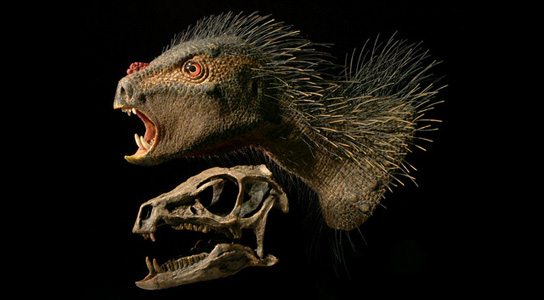
    pegomastax-africanus
    Aegomastax africanus dinosaur

    Pegomastax africanus is a new species of plant-eating dinosaur with tiny, 1-inch-long (2.5-centimeter-long) jaws, which was discovered in South Africa. It thrived during the Lower Jurassic, Hettangian to Sinemurian, about 200 to 190 million years ago.
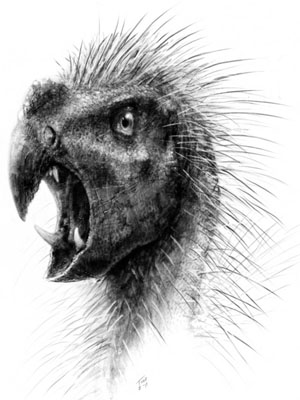
    drawing-of-pegomastax-africanus

    Pegomastax africanus is a new species and features a short, parrot-shaped beak, a pair of stabbing canines and tall teeth for slicing plants. Illustration by Todd Marshall

    The researchers published their findings in the journal ZooKeys. This herbivore is part of the family heterodontosaurs, which were among the first dinosaurs to spread across Earth. This specimen was unearthed in the 1960s and recently discovered in a collection of fossils at Harvard University by Paul Sereno, paleontologist, University of Chicago.

    P. africanus had a short, parrot-shaped beak, a pair of stabbing canines and tall teeth tucked behind for slicing up plants. The tall teeth in its upper and lower jaw worked like scissors. The skull is less than 3 inches (8 centimeters) in length and it may have been adapted to plucking fruit.

    It’s rare that plant-eaters sport sharp-edged, enlarged canines. It’s possible that self-defense and competitive sparring for mates might have played a role in the development of these teeth. P. africanus was also covered in bristles, which most likely covered most of its body. It measured less than 2 feet (60 centimeters) and weighed less than a housecat.
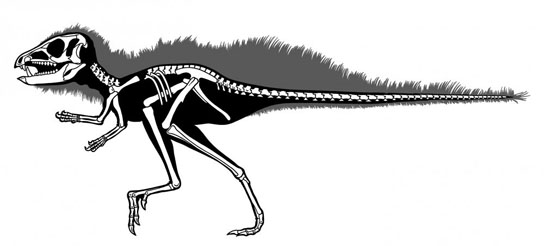
    Pegomastax Africanus

    200 million years ago, the supercontinent Pangaea had just begun to split into northern and southern landmasses. Heterodontosaurs appear to have divided up similarly, with the northern species like Tianyulong confuciusi developing simple triangular teeth and the southern species developing taller crows like P. africanus.

    Reference: “Taxonomy, morphology, masticatory function and phylogeny of heterodontosaurid dinosaurs” by Paul C. Sereno, 3 October 2012, ZooKeys.
    DOI: 10.3897/zookeys.226.2840

    Never miss a breakthrough: Join the SciTechDaily newsletter.
    Follow us on Google and Google News.

    Dinosaurs Evolutionary Biology Fossils Paleontology Popular University of Chicago
    Share. Facebook Twitter Pinterest LinkedIn Email Reddit

    Related Articles

    New Dinosaur Species Discovered in Mongolia, Gobiraptor Minutus

    Burnt Toast and Dinosaur Bones Have a Common Trait

    Dinosaur Egg Color Had a Single Evolutionary Origin

    Paleontologists Discover First North American Co-occurrence of Hadrosaur and Therizinosaur Tracks

    Newly Discovered Dinosaur (Mansourasaurus shahinae) Links Africa and Europe

    Pentecopterus – A Giant Sea Scorpion from the Prehistoric Seas

    New Species of Horned Dinosaur – Regaliceratops Peterhewsi

    The First Truly Semiaquatic Dinosaur, Spinosaurus Aegyptiacus

    Discovery of ‘Bird-Dinosaur’ Eosinopteryx Challenges Bird Evolution Theory

    Leave A Reply Cancel Reply

    • Facebook
    • Twitter
    • Pinterest
    • YouTube

    Don't Miss a Discovery

    Subscribe for the Latest in Science & Tech!

    Trending News

    This Copper Drug Clears Alzheimer’s Brain Toxins and Boosts Memory

    Adults Over 65 Lost Massive Amounts of Weight With Ozempic

    How Flocking Birds “Defy” One of Physics’ Most Fundamental Laws

    Physicists Create a New Kind of Schrödinger’s Cat State From Exotic Quantum Building Blocks

    Your Diet Could Be Missing the Key Ingredient for Heart Protection

    Researchers Warn Widely Prescribed Blood Pressure Drugs Could Be Harming Diabetic Kidneys

    James Webb Spots Something Strange Between Day and Night on an Alien Planet

    How Ancient People Moved a 6-Ton Stone 700 Kilometers to Stonehenge

    Follow SciTechDaily
    • Facebook
    • Twitter
    • YouTube
    • Pinterest
    • Newsletter
    • RSS
    SciTech News
    • Biology News
    • Chemistry News
    • Earth News
    • Health News
    • Physics News
    • Science News
    • Space News
    • Technology News
    Recent Posts
    • Scientists Uncover Cause of Inflammatory Bowel Disease Solving Decades-Old Mystery
    • The Surprising Reason Swimming Could Be Better for Your Heart Than Running
    • Could Vitamin C Be the Secret to Keeping Your Brain Younger?
    • The Surprising Fix for Robot Traffic Jams
    • Near Absolute Zero, This Transistor Starts Acting Like a Brain Cell
    Copyright © 1998 - 2026 SciTechDaily. All Rights Reserved.
    • Science News
    • About
    • Contact
    • Editorial Board
    • Privacy Policy
    • Terms of Use

    Type above and press Enter to search. Press Esc to cancel.