
Close Menu
    Facebook X (Twitter) Instagram
    SciTechDaily
    • Biology
    • Chemistry
    • Earth
    • Health
    • Physics
    • Science
    • Space
    • Technology
    Facebook X (Twitter) Pinterest YouTube RSS
    SciTechDaily
    Home»Biology»New Dinosaur Species Discovered in Mongolia, Gobiraptor Minutus
    Biology

    New Dinosaur Species Discovered in Mongolia, Gobiraptor Minutus

    By Yuong-Nam Lee, Seoul National UniversityFebruary 11, 20192 Comments2 Mins Read
    Facebook Twitter Pinterest Telegram LinkedIn WhatsApp Email Reddit
    Share
    Facebook Twitter LinkedIn Pinterest Telegram Email Reddit
    New Oviraptorosaur Species Discovered
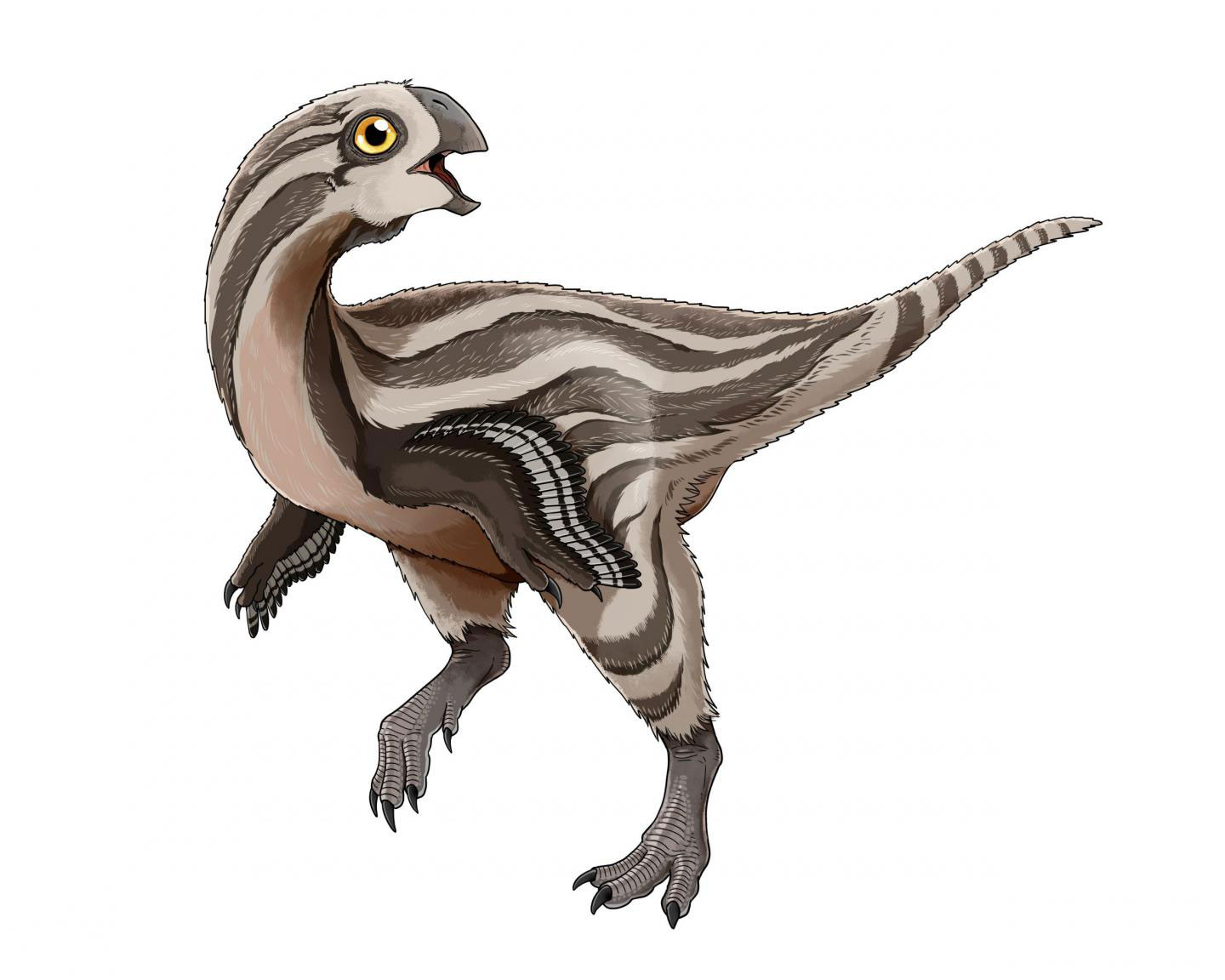
    This is a Gobiraptor reconstruction. Do Yoon Kim (2019)

    A new oviraptorosaur species from the Late Cretaceous was discovered in Mongolia, according to a study published on February 6, 2019 in the open-access journal PLOS ONE by Yuong-Nam Lee from Seoul National University, South Korea, and colleagues.

    Oviraptorosaurs were a diverse group of feathered, bird-like dinosaurs from the Cretaceous of Asia and North America. Despite the abundance of nearly complete oviraptorosaur skeletons discovered in southern China and Mongolia, the diet and feeding strategies of these toothless dinosaurs are still unclear. In this study, Lee and colleagues described an incomplete skeleton of an oviraptorosaur found in the Nemegt Formation of the Gobi desert of Mongolia.

    The new species, named Gobiraptor minutus, can be distinguished from other oviraptorosaurs in having unusually thickened jaws. This unique morphology suggests that Gobiraptor used a crushing feeding strategy, supporting previous hypotheses that oviraptorosaurs probably fed on hard food items such as eggs, seeds, or hard-shell mollusks. Histological analyses of the femur revealed that the specimen likely belonged to a very young individual.

    The finding of a new oviraptorosaur species in the Nemegt Formation, which consists mostly of river and lake deposits, confirms that these dinosaurs were extremely well adapted to wet environments. The authors propose that different dietary strategies may explain the wide taxonomic diversity and evolutionary success of this group in the region.

    The authors add: “A new oviraptorid dinosaur Gobiraptor minutus gen. et sp. nov. from the Upper Cretaceous Nemegt Formation is described here based on a single holotype specimen that includes incomplete cranial and postcranial elements. The unique morphology of the mandible and the accordingly inferred specialized diet of Gobiraptor also indicate that different dietary strategies may be one of the important factors linked with the remarkably high diversity of oviraptorids in the Nemegt Basin.”

    Reference: “A new baby oviraptorid dinosaur (Dinosauria: Theropoda) from the Upper Cretaceous Nemegt Formation of Mongolia” by Sungjin Lee, Yuong-Nam Lee, Anusuya Chinsamy,  Junchang Lü, Rinchen Barsbold and Khishigjav Tsogtbaatar, 6 February 2019, PLOS One.
    DOI:10.1371/journal.pone.0210867

    Never miss a breakthrough: Join the SciTechDaily newsletter.
    Follow us on Google and Google News.

    Archaeology Dinosaurs Fossils Paleontology Popular
    Share. Facebook Twitter Pinterest LinkedIn Email Reddit

    Related Articles

    Burnt Toast and Dinosaur Bones Have a Common Trait

    Paleontologists Discover First North American Co-occurrence of Hadrosaur and Therizinosaur Tracks

    Scientists Link Dinosaur Expansion to the Carnian Pluvial Episode

    ‘Bloat-and-Float’ Explains Dinosaur Fossil Mystery

    Newly Discovered Dinosaur (Mansourasaurus shahinae) Links Africa and Europe

    Tiny Jurassic Dinosaur Featured Rainbow Ruff and a Bony Crest

    New Species of Horned Dinosaur – Regaliceratops Peterhewsi

    Discovery of ‘Bird-Dinosaur’ Eosinopteryx Challenges Bird Evolution Theory

    Pegomastax Africanus, A Miniature Dinosaur That Thrived in Southern Africa

    2 Comments

    1. Andrew on February 11, 2019 9:15 pm

      Scientists are over rated and ignorant. They are admired by the uneducated and always seem dinosaurs as reptiles.

      Reply
    2. Max on September 3, 2019 11:42 am

      Ok that illustration is adorable <3

      Reply
    Leave A Reply Cancel Reply

    • Facebook
    • Twitter
    • Pinterest
    • YouTube

    Don't Miss a Discovery

    Subscribe for the Latest in Science & Tech!

    Trending News

    Scientists Discover Game-Changing New Way To Treat High Cholesterol

    This Small Change to Your Exercise Routine Could Be the Secret to Living Longer

    Scientists Discover 430,000-Year-Old Wooden Tools, Rewriting Human History

    AI Could Detect Early Signs of Alzheimer’s in Under a Minute – Far Before Traditional Tests

    What if Dark Matter Has Two Forms? Bold New Hypothesis Could Explain a Cosmic Mystery

    This Metal Melts in Your Hand – and Scientists Just Discovered Something Strange

    Beef vs. Chicken: Surprising Results From New Prediabetes Study

    Alzheimer’s Breakthrough: Scientists Discover Key Protein May Prevent Toxic Protein Clumps in the Brain

    Follow SciTechDaily
    • Facebook
    • Twitter
    • YouTube
    • Pinterest
    • Newsletter
    • RSS
    SciTech News
    • Biology News
    • Chemistry News
    • Earth News
    • Health News
    • Physics News
    • Science News
    • Space News
    • Technology News
    Recent Posts
    • Revolutionary Imaging Technique Unlocks Secrets of Matter at Extreme Speeds
    • Where Does Mass Come From? Scientists Find Evidence of a New Exotic Nuclear State
    • Quantum Breakthrough: Unhackable Keys Sent Over 120 km Using Quantum Dots
    • Researchers Discover Unknown Beetle Species Just Steps From Their Lab
    • Jellyfish Caught Feasting on Exploding Sea Worms for the First Time
    Copyright © 1998 - 2026 SciTechDaily. All Rights Reserved.
    • Science News
    • About
    • Contact
    • Editorial Board
    • Privacy Policy
    • Terms of Use

    Type above and press Enter to search. Press Esc to cancel.