
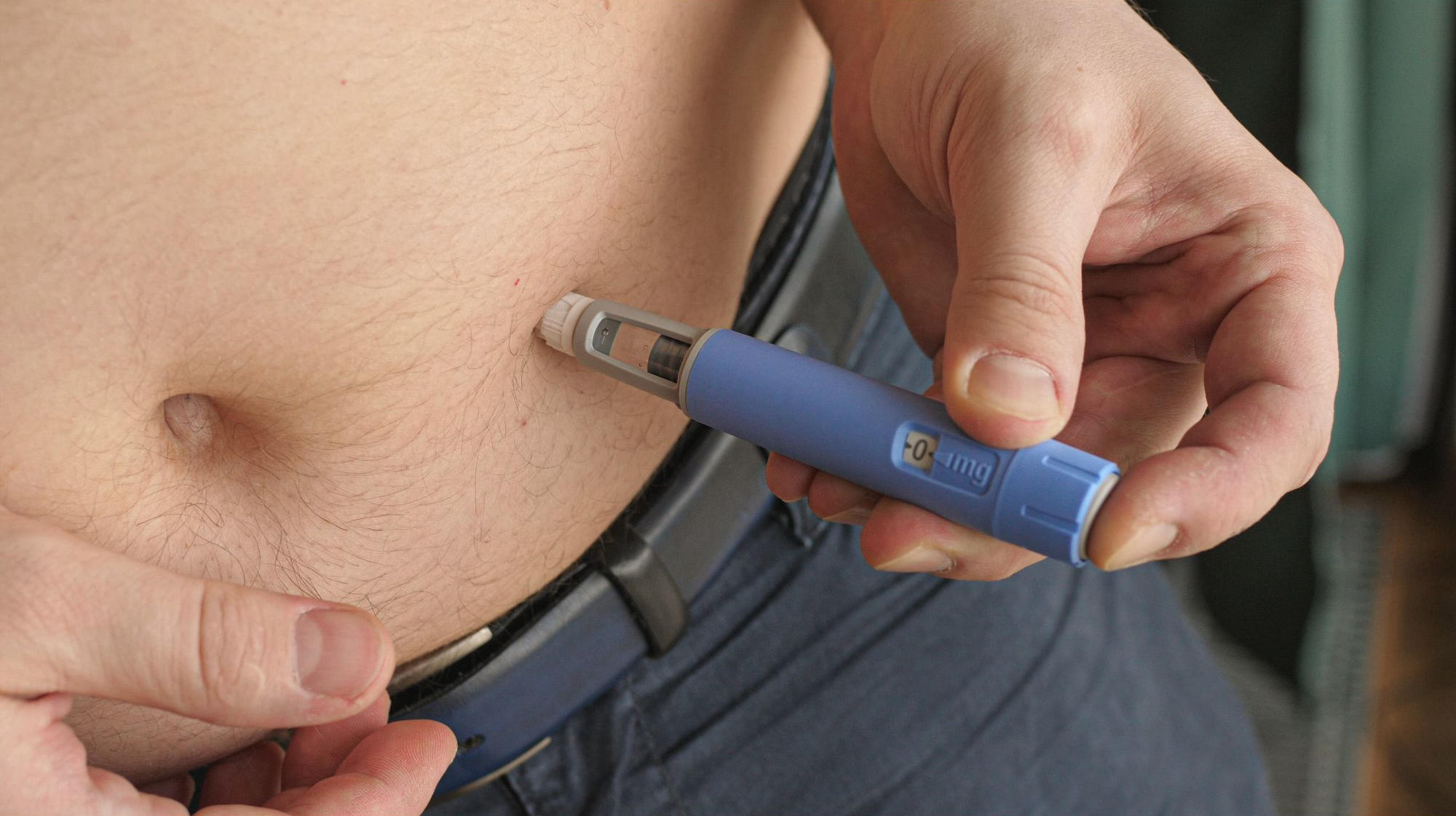
A new study led by UCL suggests that the anti-obesity drug semaglutide could help prevent heart attacks and other significant cardiac events in overweight individuals with cardiovascular disease, regardless of the presence of heart failure.
A new study led by Professor John Deanfield of UCL suggests that the anti-obesity drug semaglutide could reduce the risk of heart attacks and other serious cardiac events in overweight individuals with cardiovascular disease, regardless of the presence of heart failure.
The results follow previous research from the same international team finding that weekly injections of semaglutide were linked to a 20% reduction in major adverse cardiac events (MACE) such as heart attacks and strokes for people with obesity or who were overweight and had cardiovascular disease.
The new study, published in The Lancet, found similar cardiovascular benefits for a subgroup of study participants who were also judged to have heart failure (i.e. whose hearts did not pump blood around the body properly) by a clinician at the start of the trial.
The researchers looked at data from 4,286 people – out of a total of 17,605 from the landmark Semaglutide and Cardiovascular Outcomes (SELECT) trial who were randomly assigned either semaglutide or a placebo – who were followed up over an average of more than three years.
They found that semaglutide was linked to a 28% reduction in major adverse cardiac events (12.3% in the placebo group had such events compared to 9.1% in the semaglutide group), as well as a 24% reduction in cardiovascular disease-related deaths for this subgroup of people with pre-existing heart failure, and a 19% reduction in deaths of any cause.
Lead author Professor John Deanfield (UCL Institute of Cardiovascular Science) said: “Our previous SELECT analysis showed the benefits of semaglutide for people with cardiovascular disease who had obesity or were overweight. This new study finds that, within this group, people with heart failure did just as well as people without in terms of the outcomes we measured.
“This is important as there were concerns that semaglutide might be harmful for people with a type of heart failure known as reduced ejection fraction, where the heart pumps less blood around the body. Our findings show that the benefit of semaglutide was similar regardless of heart failure type.”
The study looked at data from the landmark SELECT trial – the largest and longest clinical trial of the effects of semaglutide on weight in over 17,000 adults who did not have diabetes but who were overweight or obese. The international team that runs the trial includes Professor Deanfield.
Regulatory Status and Mechanisms
Semaglutide, a GLP-1 receptor agonist, simulates the functions of the body’s natural incretin hormones, which help to lower blood sugar levels after a meal. It was initially prescribed for adults with type 2 diabetes.
Semaglutide is the active ingredient in Wegovy and Ozempic. In July, thanks to evidence from the SELECT trial, the UK medicines regulator approved Wegovy as a treatment for those with cardiovascular disease, meaning it can be prescribed privately.
However, the drug is not yet recommended for this use in the NHS. Its benefits may first need to be compared to those of another new medicine, SGLT2 inhibitors, a diabetes drug also found to have cardiovascular benefits. (Wegovy is already available on the NHS to help with weight management and for people with type 2 diabetes.)
The Mechanisms and Future Research
The exact mechanism through which semaglutide delivers cardiovascular benefits is not known, but may include the drug’s positive impacts on blood sugar, blood pressure, and inflammation, as well as direct effects on the heart muscle and blood vessels.
The researchers said the reduction in all-cause mortality in all heart failure groups “suggests the potential for other, as yet unknown, benefits.”
The study compared the impact of semaglutide for people with two types of heart failure: preserved ejection fraction, where the heart pumps blood normally but is too stiff to fill properly, and reduced ejection fraction. These two heart failure types have different causes and respond to treatment differently, with preserved ejection fraction, the most common type, not responding so well to traditional treatments, leading to considerable unmet clinical needs.
The researchers found the clinical benefit of semaglutide was irrespective of the type of heart failure. It was also found to be independent of age, sex, baseline BMI, and clinical status. Serious adverse events were reported more frequently in the placebo group than in the semaglutide group. Treatment was discontinued more often in the semaglutide group, primarily driven by gastrointestinal disorders (14.7% vs 9.0% in the heart failure groups; and 17.2% vs 7.9% in non-heart failure groups).
These findings, they said, supported the use of semaglutide, on top of usual care, to reduce the risk of major adverse cardiac events in a broad population of people with established atherosclerotic cardiovascular disease and overweight/obesity.
The researchers noted further trials were needed to evaluate the impact of semaglutide on heart failure-related outcomes. As SELECT was not a dedicated heart failure trial, the study results cannot be extrapolated to patients with heart failure in general, they said.
In their section on limitations, the authors noted that a majority of study participants were male and a high proportion were white. In the future, they said, GLP-1 receptor agonist trials should examine responses by ethnicity and sex.
Reference: “Semaglutide and cardiovascular outcomes in patients with obesity and prevalent heart failure: a prespecified analysis of the SELECT trial” by John Deanfield, Subodh Verma, Benjamin M Scirica, Steven E Kahn, Scott S Emerson, Donna Ryan, Ildiko Lingvay, Helen M Colhoun, Jorge Plutzky, Mikhail N Kosiborod, G Kees Hovingh, Søren Hardt-Lindberg, Ofir Frenkel, Peter E Weeke, Søren Rasmussen, Assen Goudev, Chim C Lang, Miguel Urina-Triana, Mikko Pietilä, A Michael Lincoff, Mitsunori Abe, Rajpal K Abhaichand, Walter P Abhayaratna, Atul Abhyankar, Imran B Zainal Abidin, Hiba Abou Assi, Jose L Accini Mendoza, Mine Adas, John M Agaiby, Devendra K Agarwal, Maher Agha, Azazuddin Ahmed, Petteri Ahtiainen, Elmar Aigner, Naik Ajay, Norsiah Ali, Amer Al-Karadsheh, Roy Allison, Dale C Allison, Diana Alpenidze, Yuksel Altuntas, Ayham Al-Zoebi, Roy Ambuj, John Amerena, Robert J Anderson, Toshiaki Ando, Robert Andrews, Elizaveta Antonova, Karl-Friedrich Appel, Flávia B Arantes, Mustafa Araz, Yaron Arbel, José L Arenas León, Georgia Argyrakopoulou, Mehrdad Ariani, Maria A Arias Mendoza, Ahmed A Arif, Jaspal Arneja, Vanita R Aroda, Louis J Aronne, Margaret Arstall, Njaimeh Asamoah, Milika Asanin, Hanid Audish, Rodica Avram, Aysha Badat, Corin V Badiu, Wa’el Bakdash, Okan S Bakiner, Vuyokazi N Bandezi, Liew H Bang, Sandeep Bansal, Marietta Baranyai, Olga Barbarash, Mark Barber, Otis Barnum, Gilles Barone Rochette, Amir Bashkin, Seth Baum, Harold E Bays, Alberto E Bazzoni Ruiz, Maciej Beckowski, Yaswin Beerachee, Srikanth Bellary, Lidia Belousova, Martin Berk, Marc Bernstein, Cesare Berra, Isaac Beshay, Ajit Bhagwat, Arti Bhan, William C Biggs, Liana Billings, Fahed Bitar, Bradley Block, Simona Bo, Pawel Bogdanski, Olga O Bolshakova, Alla A Boshchenko, …, Iwona Wozniak, Chau-Chung Wu, Nell Wyatt, Alan Wynne, Hiroshi Yamaguchi, Masahiro Yamasaki, Dilek Yazici, Hung-I Yeh, Yoto Yotov, Qingyang Yuan, Jeffrey Zacher, Olga Zagrebelnaya, Cesar J Zaidman, Alsu Zalevskaya, Stuart Zarich, Maria Chiara Zatelli, Helga Zeller, Elena A Zhdanova, Taiba Zornitzki, Konstantin Zrazhevskiy, Mikhail Zykov, A Michael Lincoff, Donna H Ryan, Helen M Colhoun, John E Deanfield, Scott S Emerson, Steven E Kahn, Robert F Kushner, Jorge Plutzky, Kirstine Brown-Frandsen, G Kees Hovingh, Soren Hardt-Lindberg and Christoffer W Tornøe, 24 August 2024, The Lancet.
DOI: 10.1016/S0140-6736(24)01498-3
The study was funded by Novo Nordisk.
Never miss a breakthrough: Join the SciTechDaily newsletter.
Follow us on Google and Google News.
1 Comment
I don’t understand how they separated the impact of weight loss versus the impact of their drug. When people lose weight their heart and overall health improves. The control group does not lose weight on the placebo, so it is not a good control group for studying a drug that makes people lose weight.
“The study was funded by Novo Nordisk.” That company makes this drug. This means the study is a sales piece which you can’t trust. Conflict of interest.
And look at the number of people saying they are part of the study to some degree. Jeez! This is how pharmaceutical companies buy “truth” and “facts”. So many people being paid by Novo Nordisk. Nobody left in the medical field to argue with them. How many scientists does it take to change a lightbulb?
“John Deanfield, Subodh Verma, Benjamin M Scirica, Steven E Kahn, Scott S Emerson, Donna Ryan, Ildiko Lingvay, Helen M Colhoun, Jorge Plutzky, Mikhail N Kosiborod, G Kees Hovingh, Søren Hardt-Lindberg, Ofir Frenkel, Peter E Weeke, Søren Rasmussen, Assen Goudev, Chim C Lang, Miguel Urina-Triana, Mikko Pietilä, A Michael Lincoff, Mitsunori Abe, Rajpal K Abhaichand, Walter P Abhayaratna, Atul Abhyankar, Imran B Zainal Abidin, Hiba Abou Assi, Jose L Accini Mendoza, Mine Adas, John M Agaiby, Devendra K Agarwal, Maher Agha, Azazuddin Ahmed, Petteri Ahtiainen, Elmar Aigner, Naik Ajay, Norsiah Ali, Amer Al-Karadsheh, Roy Allison, Dale C Allison, Diana Alpenidze, Yuksel Altuntas, Ayham Al-Zoebi, Roy Ambuj, John Amerena, Robert J Anderson, Toshiaki Ando, Robert Andrews, Elizaveta Antonova, Karl-Friedrich Appel, Flávia B Arantes, Mustafa Araz, Yaron Arbel, José L Arenas León, Georgia Argyrakopoulou, Mehrdad Ariani, Maria A Arias Mendoza, Ahmed A Arif, Jaspal Arneja, Vanita R Aroda, Louis J Aronne, Margaret Arstall, Njaimeh Asamoah, Milika Asanin, Hanid Audish, Rodica Avram, Aysha Badat, Corin V Badiu, Wa’el Bakdash, Okan S Bakiner, Vuyokazi N Bandezi, Liew H Bang, Sandeep Bansal, Marietta Baranyai, Olga Barbarash, Mark Barber, Otis Barnum, Gilles Barone Rochette, Amir Bashkin, Seth Baum, Harold E Bays, Alberto E Bazzoni Ruiz, Maciej Beckowski, Yaswin Beerachee, Srikanth Bellary, Lidia Belousova, Martin Berk, Marc Bernstein, Cesare Berra, Isaac Beshay, Ajit Bhagwat, Arti Bhan, William C Biggs, Liana Billings, Fahed Bitar, Bradley Block, Simona Bo, Pawel Bogdanski, Olga O Bolshakova, Alla A Boshchenko, …, Iwona Wozniak, Chau-Chung Wu, Nell Wyatt, Alan Wynne, Hiroshi Yamaguchi, Masahiro Yamasaki, Dilek Yazici, Hung-I Yeh, Yoto Yotov, Qingyang Yuan, Jeffrey Zacher, Olga Zagrebelnaya, Cesar J Zaidman, Alsu Zalevskaya, Stuart Zarich, Maria Chiara Zatelli, Helga Zeller, Elena A Zhdanova, Taiba Zornitzki, Konstantin Zrazhevskiy, Mikhail Zykov, A Michael Lincoff, Donna H Ryan, Helen M Colhoun, John E Deanfield, Scott S Emerson, Steven E Kahn, Robert F Kushner, Jorge Plutzky, Kirstine Brown-Frandsen, G Kees Hovingh, Soren Hardt-Lindberg and Christoffer W Tornøe”