
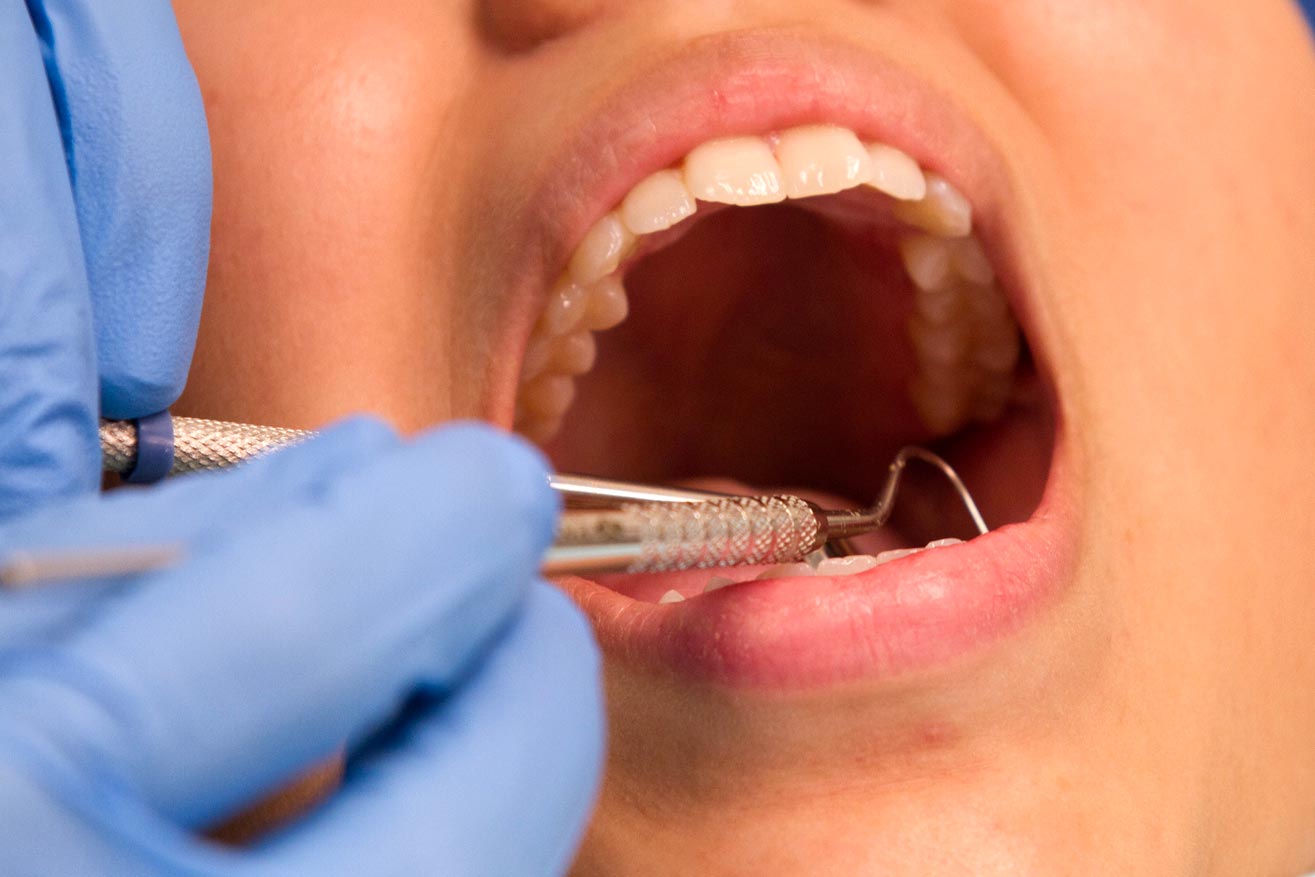
- Good oral hygiene and regular dental care are the most important ways to reduce the risk of a heart infection called infective endocarditis caused by bacteria in the mouth.
- There are four categories of heart patients considered to be at the highest risk for adverse outcomes from infective endocarditis, and only these patients are recommended to receive preventive antibiotic treatment prior to invasive dental procedures.
- American Heart Association guidelines issued in 2007 suggested not to use antibiotics before certain dental procedures. These recommendations resulted in a decrease in antibiotic use.
Good Oral Hygiene Tops Antibiotics in Preventing Heart Infections
Maintenance of good oral health is more important than use of antibiotics in dental procedures for some heart patients to prevent a heart infection caused by bacteria around the teeth, according to a new American Heart Association (AHA) scientific statement published today in the association’s flagship journal, Circulation.
Infective endocarditis (IE), also called bacterial endocarditis, is a heart infection caused by bacteria that enter the bloodstream and settle in the heart lining, a heart valve or a blood vessel. It is uncommon, but people with heart valve disease or previous valve surgery, congenital heart disease or recurrent infective endocarditis have a greater risk of complications if they develop IE. Intravenous drug use also increases the risk for IE. Viridans group streptococcal infective endocarditis (VGS IE) is caused by bacteria that collect in plaque on the tooth surface and cause inflammation and swelling of the gums. There’s been concern that certain dental procedures may increase the risk of developing VGS IE in vulnerable patients.
The new guidance affirms previous recommendations that only four categories of heart patients should be prescribed antibiotics prior to certain dental procedures to prevent VGS IE due to their higher risk for complications from the infection:
- those with prosthetic heart valves or prosthetic material used for valve repair;
- those who have had a previous case of infective endocarditis;
- adults and children with congenital heart disease; or
- people who have undergone a heart transplant.
“Scientific data since the 2007 AHA guidelines support the view that limited use of preventive antibiotics for dental procedures hasn’t increased cases of endocarditis and is an important step at combating antibiotic overuse in the population,” said Walter R. Wilson, M.D., chair of the statement writing group and a consultant for the Division of Infectious Diseases, Department of Internal Medicine at Mayo Clinic in Rochester, Minn.
It has been over a decade since recommendations for preventing infective endocarditis were updated amid concerns of antibiotic resistance due to overprescribing. The American Heart Association’s 2007 guidelines, which presented the biggest shift in recommendations from the Association on the prevention of infective endocarditis in more than 50 years, more tightly defined which patients should receive preventive antibiotics before certain dental procedures to the four high-risk categories. This change resulted in about 90% fewer patients requiring antibiotics.
The scientific statement writing group reviewed data on VGS IE since the 2007 guidelines to determine if the guidelines had been accepted and followed, whether cases of and mortality due to VGS IE have increased or decreased, and if the guidance might need to be adjusted.
The writing committee reports their extensive review of related research found:
- There was a good general awareness of the changes in the 2007 guidelines, however, adherence to the guidelines was variable. There was about a 20% overall reduction in prescribing preventive antibiotics among high-risk patients, a 64% decrease among moderate-risk patients, and a 52% decrease in those patients at low- or unknown risk.
- In a survey of 5,500 dentists in the U.S., 70% reported prescribing preventive antibiotics to patients even though the guidelines no longer recommend it, and this was most often for patients with mitral valve prolapse and five other cardiac conditions. The dentists reported that about 60% of the time the antibiotic regimen was recommended by the patient’s physician, and 1/3 of the time was according to patient preference.
- Since the stricter 2007 antibiotic guidelines, there is no convincing evidence of an increase in cases of VGS IE or increased mortality due to VGS IE.
- The writing group supports the 2007 recommendation that only the highest-risk groups of patients receive antibiotics prior to certain dental procedures to help prevent VGS IE.
- In the presence of poor oral hygiene and gingival disease, VGS IE is far more likely to develop from bacteria attributable to routine daily activities such as toothbrushing than from a dental procedure.
- Maintenance of good oral hygiene and regular access to dental care are considered as important in preventing VGS IE as taking antibiotics before certain dental procedures.
- It is important to connect patients with services to facilitate access to dental care and assistance with insurance for dental coverage, especially in those patients at high risk for VGS IE.
- It is still appropriate to follow the recommendation to use preventive antibiotics with high-risk patients undergoing dental procedures that involve manipulation of the gum tissue or infected areas of the teeth, or perforation of the membrane lining the mouth.
Reference: “Prevention of Viridans Group Streptococcal Infective Endocarditis: A Scientific Statement From the American Heart Association” by Walter R. Wilson, Michael Gewitz, Peter B. Lockhart, Ann F. Bolger, Daniel C. DeSimone, Dhruv S. Kazi, David J. Couper, Andrea Beaton, Catherine Kilmartin, Jose M. Miro, Craig Sable, Mary Anne Jackson, Larry M. Baddour, and On behalf of the American Heart Association Young Hearts Rheumatic Fever, Endocarditis and Kawasaki Disease Committee of the Council on Lifelong Congenital Heart Disease and Heart Health in the Young; Council on Cardiovascular and Stroke Nursing; and the Council on Quality of Care and Outcomes Research, 15 April 2021, Circulation.
DOI: 10.1161/CIR.0000000000000969
The scientific statement was prepared by the volunteer writing committee on behalf of the American Heart Association’s Young Hearts Rheumatic Fever, Endocarditis and Kawasaki Disease Committee; the Council on Lifelong Congenital Heart Disease and Heart Health in the Young; the Council on Cardiovascular and Stroke Nursing; and the Council on Quality of Care and Outcomes Research.
Writing committee members are Walter R. Wilson, M.D. (chair); Michael Gewitz, M.D., FAHA (vice chair); Peter B. Lockhart, D.D.S.; Ann F. Bolger, M.D., FAHA; Daniel C. DeSimone, M.D.; Dhruv S. Kazi, M.D., M.Sc, M.S., FAHA; David S. Couper, Ph.D.; Andrea Beaton, M.D.; Catherine Kilmartin, B.D.S., D.D.S., M.Sc.; Jose M. Miro, M.D.; Craig Sable, M.D., FAHA; Mary Anne Jackson, M.D.; and Larry M. Baddour, M.D. Author disclosures are in the manuscript.
Never miss a breakthrough: Join the SciTechDaily newsletter.
Follow us on Google and Google News.
1 Comment
scitechdealy gives a very good health related article, this article provides a lot of information