

The study reveals that physically active individuals burn more calories over the course of the day and do not compensate by conserving energy in other bodily functions.
The impact of physical activity continues long after the workout ends.
A new study published in the Proceedings of the National Academy of Sciences by researchers from Virginia Tech, the University of Aberdeen, and Shenzhen University found that being active increases the total amount of energy the body uses each day without prompting it to cut back elsewhere.
While the health advantages of regular exercise are well established, scientists know less about how physical activity influences the body’s overall “energy budget,” meaning how energy is distributed among different biological processes.
For years, researchers have debated whether this energy budget works like a fixed income, where energy for movement is taken from other functions, or like a flexible system that expands to support more activity. The study aimed to identify which of these models best reflects how the human body manages energy at varying levels of physical activity.
To do this, researchers evaluated the total energy expenditure, or the total calories burned in a day, in participants across a wide spectrum of physical activity.
How the Study Worked
“Our study found that more physical activity is associated with higher calorie burn, regardless of body composition, and that this increase is not balanced out by the body reducing energy spent elsewhere,” said Kevin Davy, professor in the Department of Human Nutrition, Foods, and Exercise and the principal investigator of the study.
Participants were asked to drink isotopes of oxygen and hydrogen and then to have their urine samples collected over a period of two weeks. Oxygen is eliminated as water and carbon dioxide, and the hydrogen is eliminated only as water. The difference in the amount of each isotope lost is proportionate to the amount of carbon dioxide produced and, therefore, energy expended. Physical activity was measured using a small sensor worn at the waist that measures motion in multiple directions.
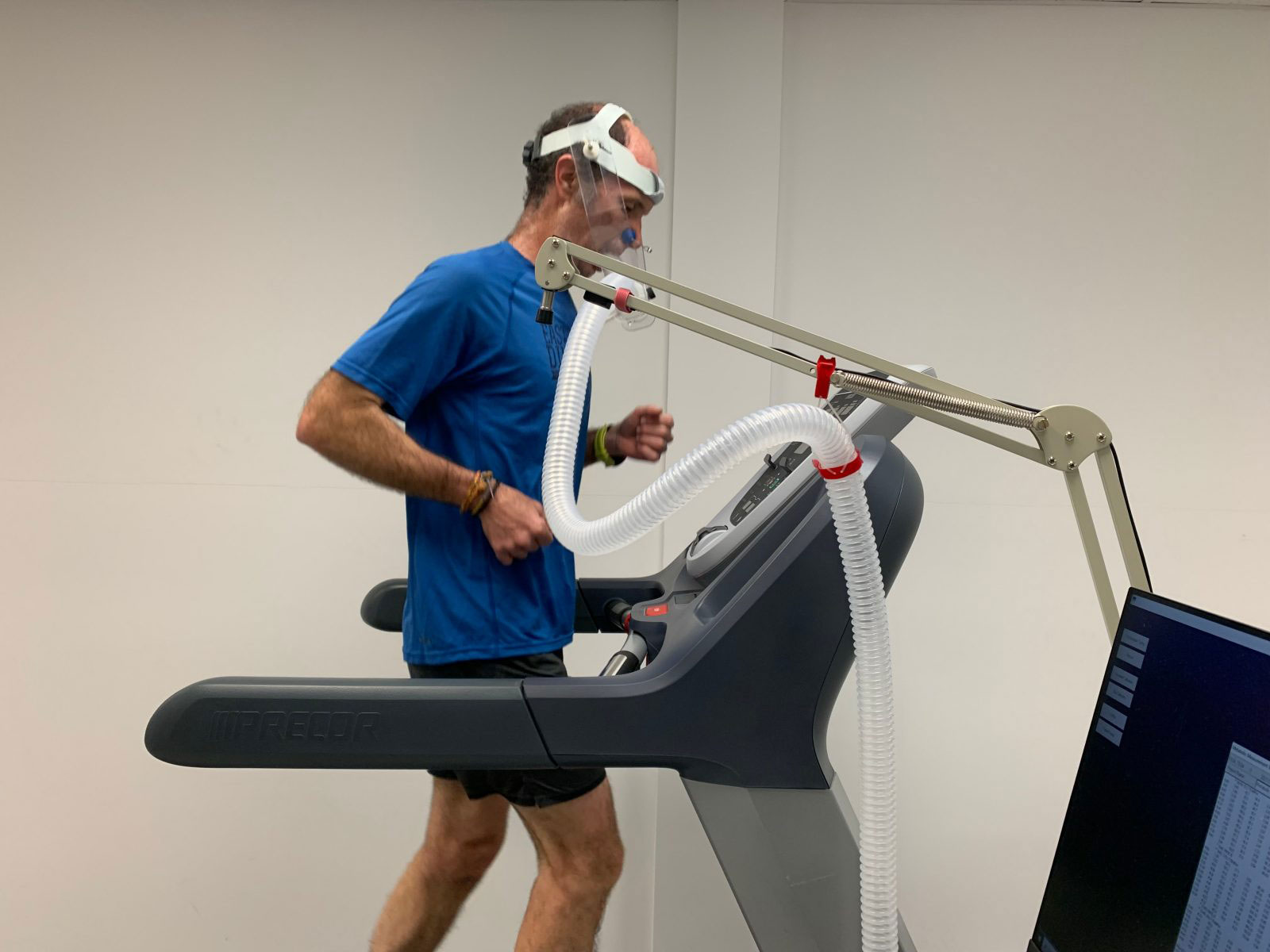
Participants’ physical activity levels varied widely, from sedentary to ultra-endurance running. There were 75 participants between the ages of 19 and 63.
Instead of saving energy in one area to make up for the calories burned through physical activity, the study found that the body continues to function at its usual rate, which means that overall energy use rises in direct response to increased movement.
For example, when the body is maintaining basic functions such as breathing, circulating blood, and regulating temperature, the amount of energy it uses remains stable, the study found. This means the body doesn’t obviously compensate or “cancel out” the extra calories burned through activity.
“Energy balance was a key piece of the study,” said Kristen Howard, senior research associate at Virginia Tech and the article’s lead author. “We looked at folks who were adequately fueled. It could be that apparent compensation under extreme conditions may reflect under-fueling.”
More Activity, Less Inactivity
The research also found a clear link between being more active and spending less time sitting still. In simple terms, people who are more physically active are less likely to spend long periods of time being inactive.
As it turns out, the idea that moving more is associated with burning more may not be such a metabolic myth, despite uncertainty among experts on the topic. Though their findings seem to confirm the additive model, the researchers said there is still room for further work in this area. “We need more research to understand in who and under what conditions energy compensation might occur,” said Davy.
Reference: “Physical activity is directly associated with total energy expenditure without evidence of constraint or compensation” by Kristen R. Howard, Olalla Prado-Nóvoa, Guillermo Zorrilla-Revilla, Eleni Laskaridou, Glen R. Reid, Elaina L. Marinik, Marina Stamatiou, Catherine Hambly, Brenda M. Davy, John R. Speakman and Kevin P. Davy, 21 October 2025, Proceedings of the National Academy of Sciences.
DOI: 10.1073/pnas.2519626122
Never miss a breakthrough: Join the SciTechDaily newsletter.
Follow us on Google and Google News.
2 Comments
“… this increase is not balanced out by the body reducing energy spent elsewhere,”
Yet, it is well-known that elite athletes typically have a lower resting-pulse rate than the sedentary population. How is that explained in the light of the researcher’s claim?
Just for reference. Im 60, im very active. Once im up for the day, im on my feet untill bed time. I have not lost or gained weight since high school. I also fast all day aside from fruit and fluids. My activity gets my heart rate up often, however I do let it return to my normal state of idle. I feel great.