
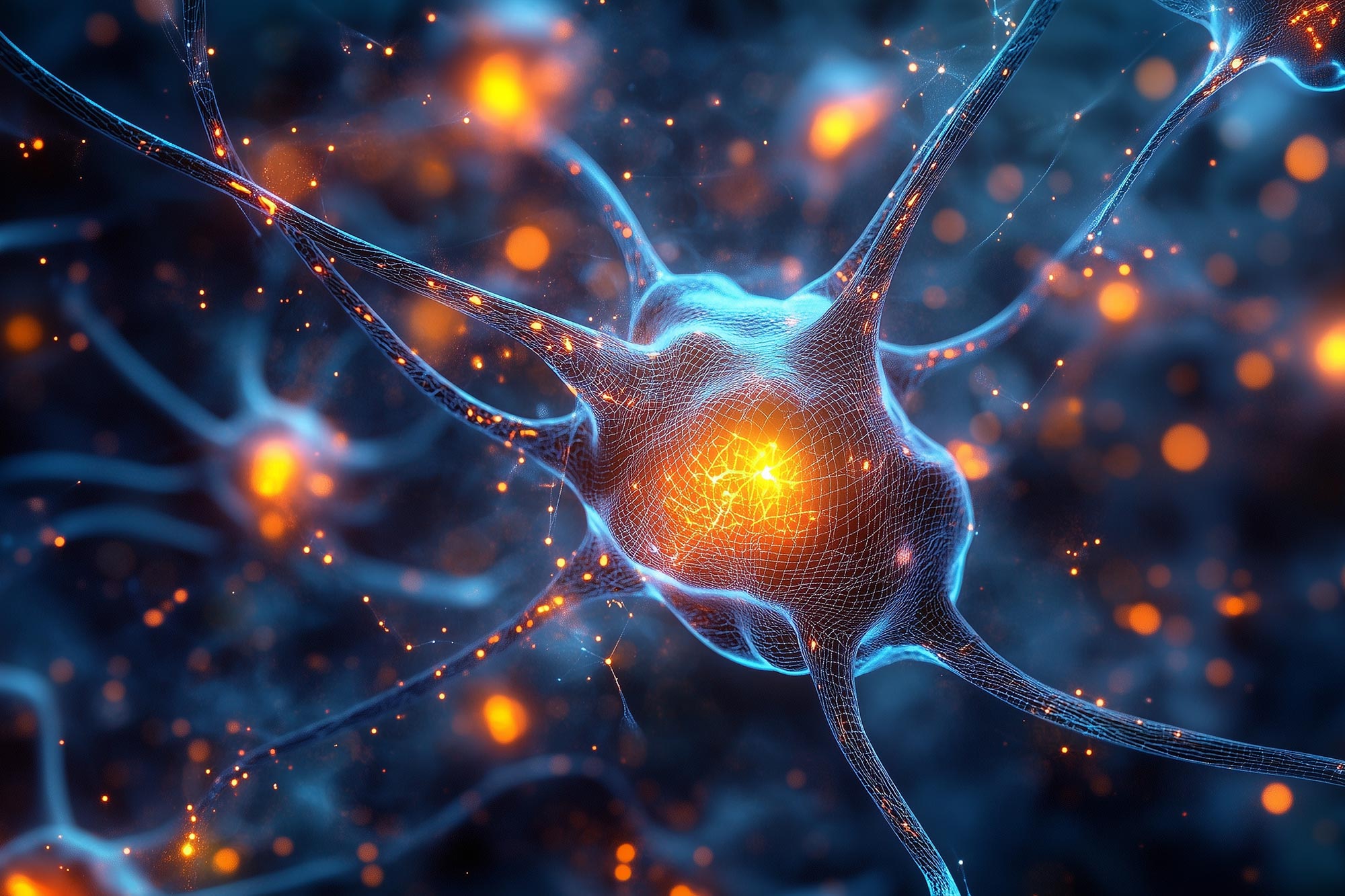
Anxiety may be shaped by a hidden tug-of-war between immune cells inside the brain.
Anxiety disorders are among the most widespread mental health conditions in the United States, affecting about one in five people. Despite how common anxiety is, scientists are still working to understand what causes it inside the brain. New research from the University of Utah now points to two unexpected groups of brain cells in mice that work in opposite ways, acting like internal “accelerators” and “brakes” that influence anxiety levels.
Immune Cells Play a Surprising Role in Anxiety
Rather than neurons, which are best known for transmitting signals and forming brain circuits, the newly identified regulators of anxiety turned out to be immune cells. These cells, called microglia, appear to have a direct influence on whether mice display anxious behavior. One group of microglia increases anxiety-related responses, while another group reduces them.
“This is a paradigm shift,” says Donn Van Deren, PhD, postdoctoral research fellow at the University of Pennsylvania, who conducted the research while working in human genetics at the University of Utah Health. “It shows that when the brain’s immune system has a defect and is not healthy, it can result in very specific neuropsychiatric disorders.”
The findings were published in Molecular Psychiatry.
Microglia Show Opposing Effects on Anxiety
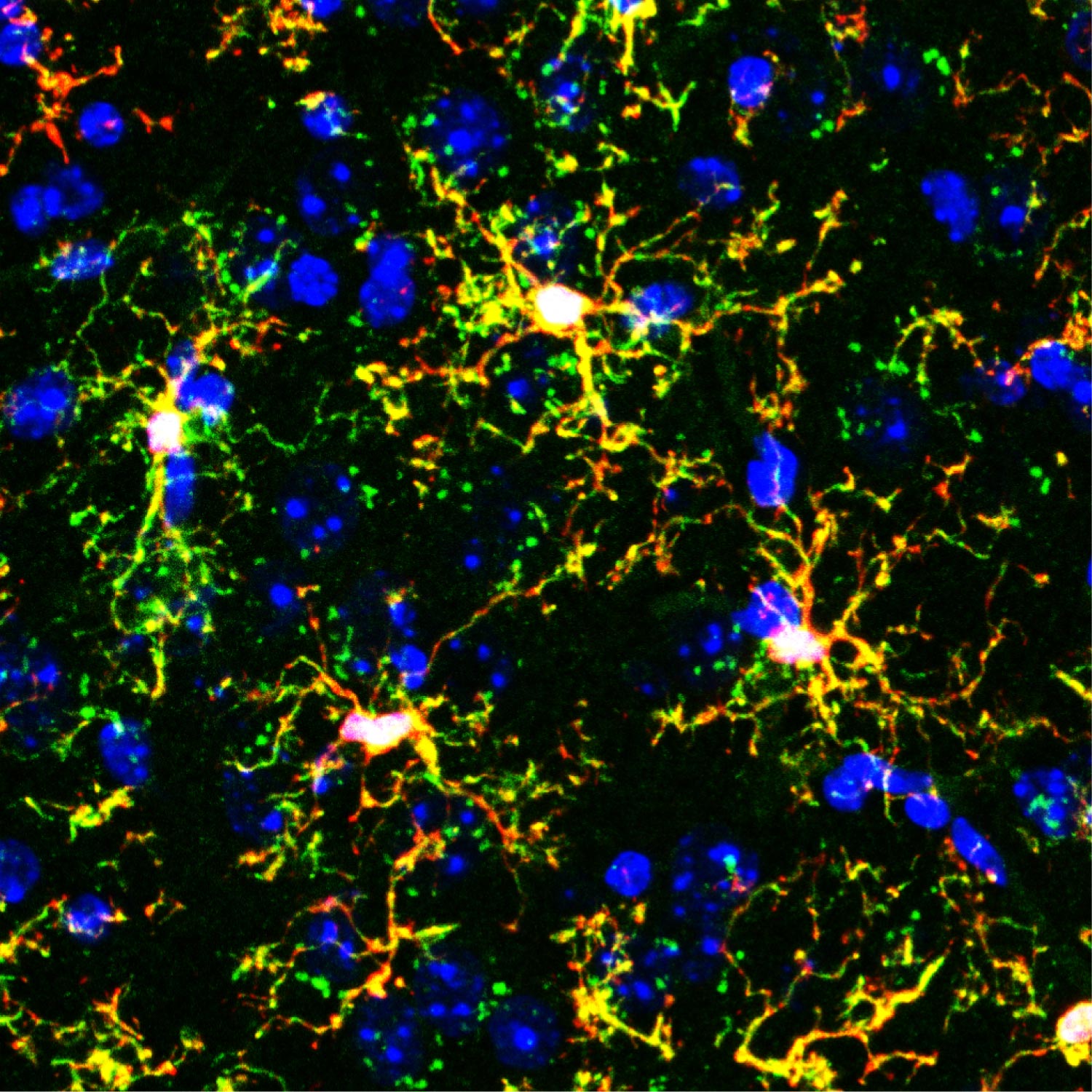
Previous studies had already established that microglia play a role in anxiety, but scientists initially thought all microglia behaved similarly. When researchers disrupted a specific subgroup known as Hoxb8 microglia, mice began showing anxious behavior. However, when the activity of all microglia was blocked at the same time—including Hoxb8 and non-Hoxb8 microglia—the mice behaved normally.
This puzzling outcome led researchers to suspect that different microglial populations might have opposite functions. They proposed that Hoxb8 microglia may suppress anxiety, while non-Hoxb8 microglia may promote it. To confirm this idea, the team needed to examine the effects of each group independently.

Testing Anxiety Accelerators and Brakes in the Brain
To isolate the effects of each microglial group, researchers used an unusual approach. They transplanted specific types of microglia into mice that had no microglia at all.
The experiments showed that non-Hoxb8 microglia act like a gas pedal for anxiety. When mice received only non-Hoxb8 microglia, they displayed behaviors linked to elevated anxiety, including excessive grooming and avoidance of open spaces. Without any opposing cells present, the anxiety response remained constantly active.
In contrast, Hoxb8 microglia functioned as a braking system. Mice that received only Hoxb8 microglia did not show anxious behavior. Just as importantly, mice that had both types of microglia—the gas and the brake—also appeared calm. Although non-Hoxb8 microglia pushed the animals toward anxiety, the balancing effect of Hoxb8 microglia prevented those behaviors from emerging.
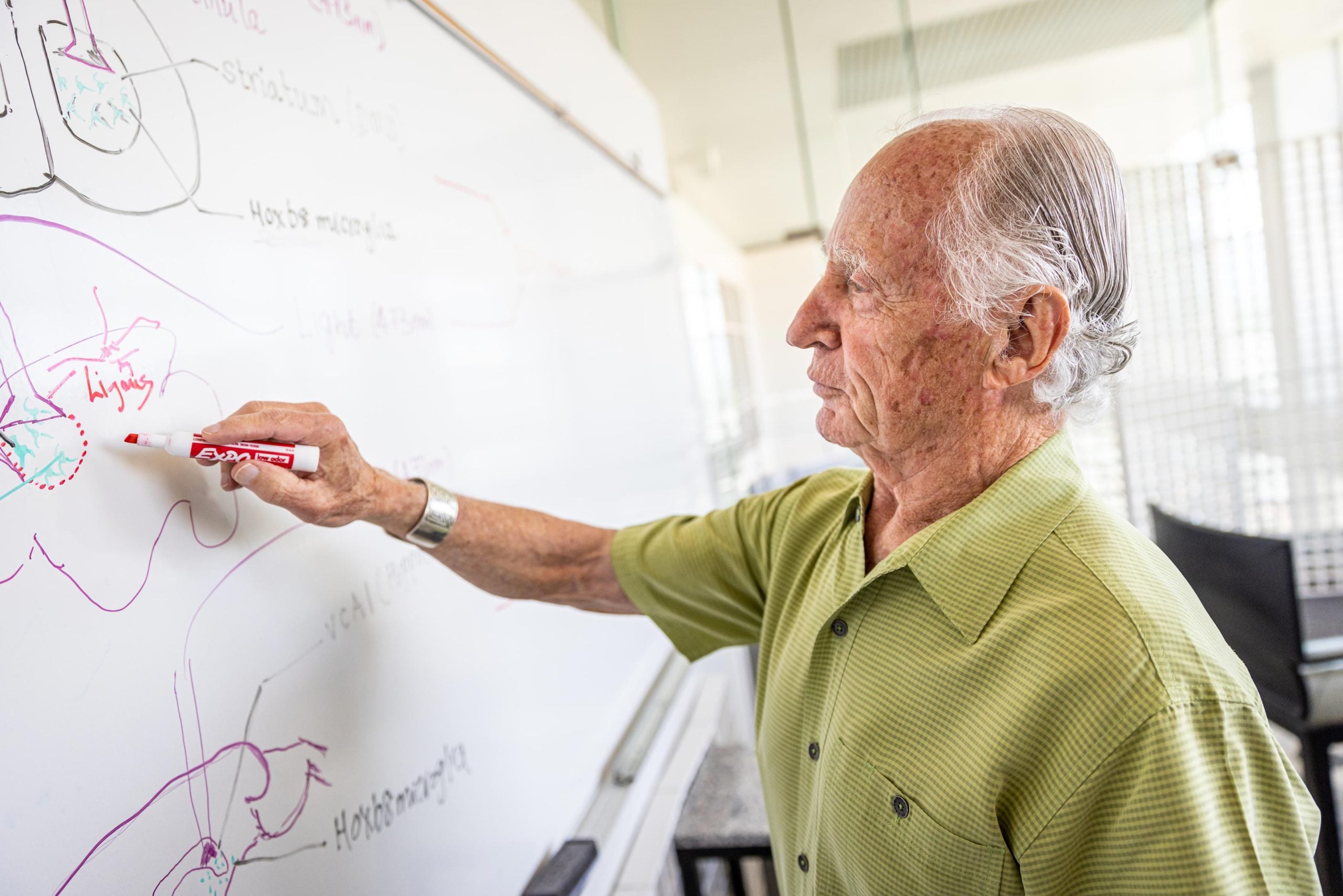
“These two populations of microglia have opposite roles,” says Mario Capecchi, PhD, distinguished professor of human genetics at University of Utah Health and senior author of the study. “Together, they set just the right levels of anxiety in response to what is happening in the mouse’s environment.”
What This Could Mean for Anxiety Treatments
The researchers say the discovery could reshape how anxiety disorders are studied and eventually treated. “Humans also have two populations of microglia that function similarly,” Capecchi notes. Yet most existing psychiatric medications are designed to target neurons rather than immune cells in the brain.
By understanding how microglia influence anxiety, future therapies could focus on strengthening the brain’s natural braking system or reducing the overactive accelerator. “This knowledge will provide the means for patients who have lost their ability to control their levels of anxiety to regain it,” Capecchi says.
Van Deren stresses that medical applications are still a long way off. “We’re far from the therapeutic side,” he says, “but in the future, one could probably target very specific immune cell populations in the brain and correct them through pharmacological or immunotherapeutic approaches. This would be a major shift in how to treat neuropsychiatric disorders.”
Reference: “Defective Hoxb8 microglia are causative for both chronic anxiety and pathological overgrooming in mice” by Donn A. Van Deren, Ben Xu, Naveen Nagarajan, Anne M. Boulet, Shuhua Zhang and Mario R. Capecchi, 2 September 2025, Molecular Psychiatry.
DOI: 10.1038/s41380-025-03190-y
This work was supported by the National Institutes of Health, specifically the National Institute of Mental Health (R01 MH093595), as well as the Dauten Family Foundation and the University of Utah Flow Cytometry Facility. Content is solely the responsibility of the authors and does not necessarily represent the official views of the National Institutes of Health.
Never miss a breakthrough: Join the SciTechDaily newsletter.
Follow us on Google and Google News.
9 Comments
How can you help people with anxiety disorder then?
Scientists are too busy figuring out things, we’re not meant to know, hell, things that even though we know, absolutely nothing can be done about it, but they study away. They want the world to be taken over by AI, like that isn’t going to backfire. Scientists want to play God, they don’t want to fix everyday problems, they want to create whole new complex ones. I feel like there should be someone or some laws/guidelines of what scientists are allowed to do and in what order. Cure human suffering, then grow a hand in your lab, but no, we’re studying black holes(????how can you study a black hole???) Meanwhile, I have to take ridiculous amounts of medication to not freak out, for absolutely no reason. Just my opinion, people with such gifted minds, should worry about their fellow men and women, especially children before spending billions of dollars to send rich people to space. Its a sin to have that much money, when people can’t even afford groceries or mental health treatment.
I agree, we can put men on the moon and produce super computers, yet help for mental health does not have the priority it should….This research should have priority
Eat a diet that helps support your microglia and helps keep your gut clean.
Which microglia? Bs or non Bs? I am thinking it may be a little more complicated than food ingested…. call me simple.
Actually, none of this will ever be used in any kind of practical implication. Anxiety and depression are trillion dollar “mental health disorders”. Big pharma and the politicians who invest in them will never allow either to be cured or even treated with any success. The only way to manage, treat, or cure anxiety and depression is to remove yourself from any and all social media platforms. Trust me. I’m a doctor.
Social media not the cause. Its a big part. When you have autism its not the reason. You’re comment is dead right though they wont help it, too much money involved
This is good news! Greater understanding will very likely help in developing new therapies for fighting out of control anxiety. I don’t understand how anyone can see this as anything but positive. Kudos to the scientists who did this work!
I’m so tired of reading comments implying that research is just a waste and that doctors don’t want to cure anything. If that were true my 92-year-old-husband wouldn’t have lived through a nearly fatal car accident, cancer, a heart attack, and countless other medical problems treated by doctors using skills, medicine, diagnostic equipment, and artificial joints all developed based on research. We love research and doctors.