
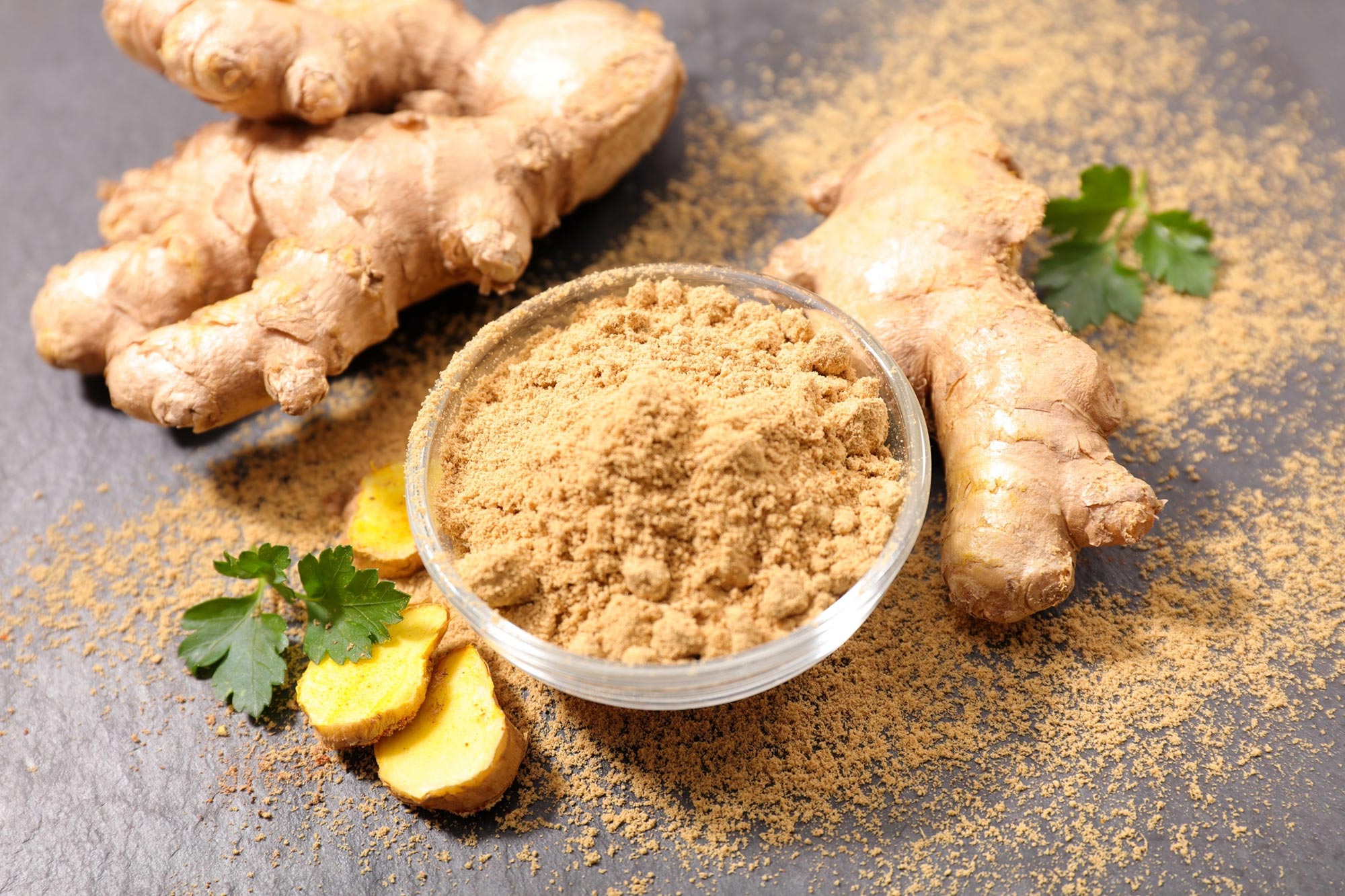
A ginger compound, furanodienone (FDN), has been found to reduce inflammation and repair gut damage in IBD patients by targeting the pregnane X receptor, offering a safer and more effective alternative to current treatments.
A research team led by scientists at the University of Toronto has identified a compound in ginger, furanodienone (FDN), that selectively binds to and regulates a nuclear receptor linked to inflammatory bowel disease (IBD).
By screening ginger’s chemical components for interactions with receptors associated with IBD, the researchers discovered that FDN strongly binds to the pregnane X receptor (PXR). This interaction helps reduce colon inflammation by enhancing PXR’s ability to suppress the production of pro-inflammatory cytokines. Although FDN has been known for decades, its biological functions and molecular targets had remained unclear until now.
“We found that we could reduce inflammation in the colons of mice through oral injections of FDN,” said Jiabao Liu, research associate at U of T’s Donnelly Centre for Cellular and Biomolecular Research. “Our discovery of FDN’s target nuclear receptor highlights the potential of complementary and integrative medicine for IBD treatment. We believe natural products may be able to regulate nuclear receptors with more precision than synthetic compounds, which could lead to alternative therapeutics that are cost-effective and widely accessible.”
The study was published recently in the journal Nature Communications.
IBD’s Impact and the Need for New Treatments
IBD patients typically start to experience symptoms early in life; around 25 percent of patients are diagnosed before the age of 20. There is currently no cure for IBD, so patients must adhere to life-long treatments to manage their symptoms, including abdominal pain and diarrhea, enduring significant psychological and economic consequences.

While patients with IBD have found some relief through changes to their diet and herbal supplements, it is not clear which chemical compounds in food and supplements are responsible for alleviating intestinal inflammation. With FDN now identified as a compound with the potential to treat IBD, this specific component of ginger can be extracted to develop more effective therapies.
Additional Benefits of FDN
An additional benefit of FDN is that it can increase the production of tight junction proteins that repair damage to the gut lining caused by inflammation. The effects of FDN were demonstrated in the study to be restricted to the colon, preventing harmful side effects to other areas of the body.
Nuclear receptors serve as sensors within the body for a wide range of molecules, including those involved in metabolism and inflammation. PXR specifically plays a role in the metabolism of foreign substances, like dietary toxins and pharmaceuticals. Binding between FDN and PXR needs to be carefully regulated because over-activating the receptor can lead to an increase in the metabolism and potency of other drugs and signaling metabolites in the body.
FDN is a relatively small molecule that only fills a portion of the PXR binding pocket. The study shows that this allows for an additional compound to bind simultaneously, thereby increasing the overall strength of the bond and its anti-inflammatory effects in a controlled manner.
“The number of people diagnosed with IBD in both developed and developing countries is on the rise due to a shift towards diets that are more processed and are high in fat and sugar,” said Henry Krause, principal investigator on the study and professor of molecular genetics at U of T’s Temerty Faculty of Medicine. “A natural product derived from ginger is a better option for treating IBD than current therapies because it does not suppress the immune system or affect liver function, which can lead to major side effects. FDN can form the basis of a treatment that is more effective while also being safer and cheaper.”
Reference: “An abundant ginger compound furanodienone alleviates gut inflammation via the xenobiotic nuclear receptor PXR in mice” by Xiaojuan Wang, Guohui Zhang, Zhiwei Bian, Vimanda Chow, Marina Grimaldi, Coralie Carivenc, Savannah Sirounian, Hao Li, Lucia Sladekova, Stefano Mott, Yulia Luperi, Yufeng Gong, Cait Costello, Linhao Li, Matthew Jachimowicz, Miao Guo, Shian Hu, Derek Wilson, Patrick Balaguer, William Bourguet, Sridhar Mani, Laura Bonati, Hui Peng, John March, Hongbing Wang, Shengpeng Wang, Henry M. Krause and Jiabao Liu, 3 February 2025, Nature Communications.
DOI: 10.1038/s41467-025-56624-0
This research was supported by the Canadian Institutes of Health Research; Agence Nationale de la Recherche SYNERGY; Key-Area Research and Development Program of Guangdong Province, China; National Institutes of Health; National Natural Science Foundation of China; Natural Sciences and Engineering Research Council of Canada and New Frontiers in Research Fund.
Never miss a breakthrough: Join the SciTechDaily newsletter.
Follow us on Google and Google News.
1 Comment
Weldon great work!