
In experiments with mice, scientists at the State University of Campinas observed changes in eating patterns, weight growth, signs of anxiety, and heightened inflammation in the brain, fat tissue, and liver.
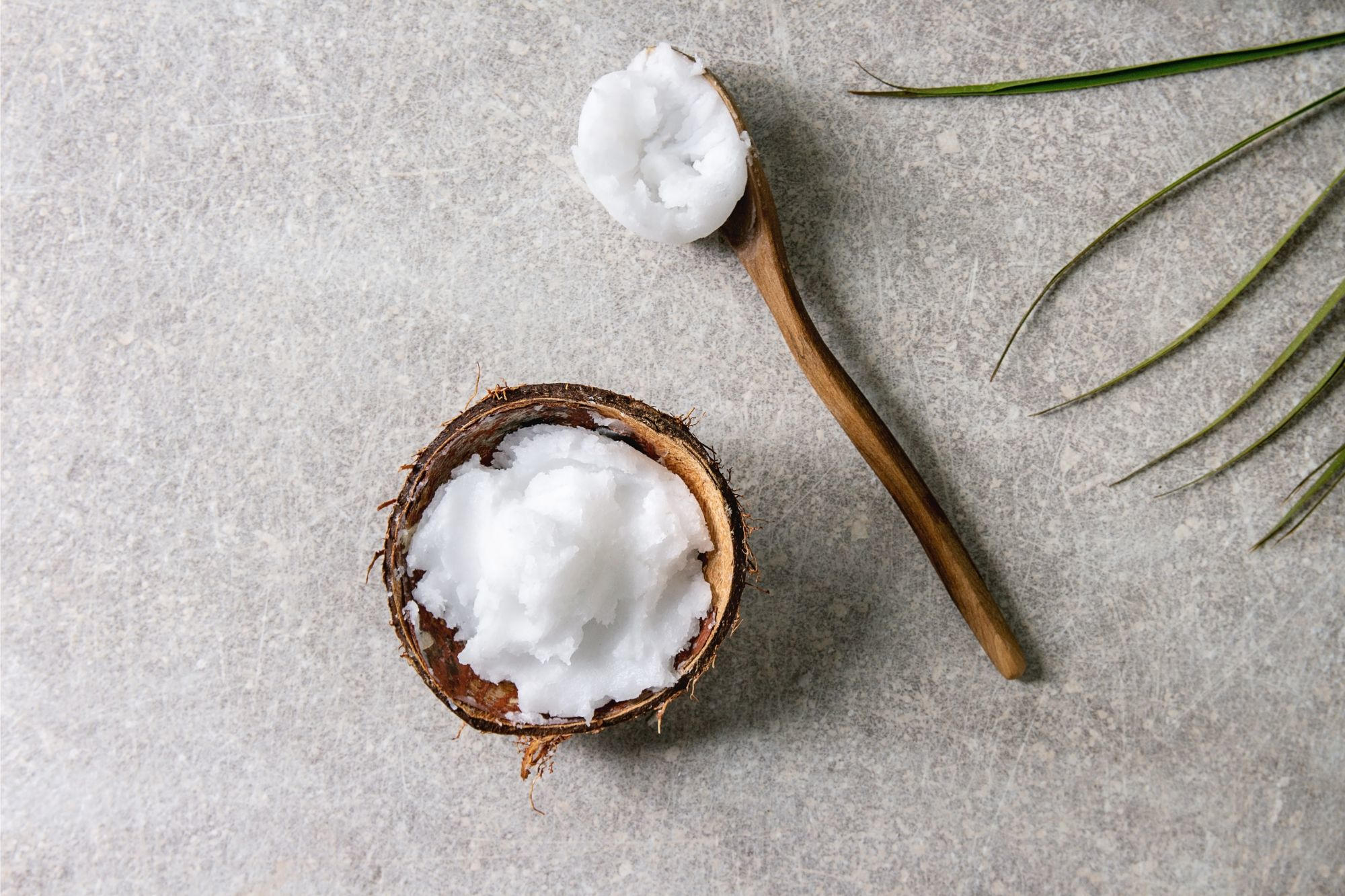
An article published in the Journal of Functional Foods reports on a research study where mice, after being administered an oral supplement of extra-virgin coconut oil, exhibited notable changes in their eating habits, weight gain, anxiety levels, and inflammation in the central nervous system, adipose tissue, and liver.
The researchers also found that the capacity of key metabolic hormones leptin and insulin to activate cellular mechanisms responsible for satiety and control of blood sugar levels was impaired, and that the biochemical mechanisms involved in fat synthesis were stimulated.
Researcher’s Insights
“The findings suggest that although the process is slow and silent, coconut oil supplementation for long periods can lead to significant metabolic alterations that contribute to the development of obesity and associated comorbidities,” said Marcio Alberto Torsoni, a researcher in the Metabolic Disturbance Laboratory (LabDiMe) at the State University of Campinas’s School of Applied Sciences (FCA-UNICAMP) in São Paulo state, Brazil. He has a PhD in functional and molecular biology and has completed postdoctoral fellowships at UNICAMP’s School of Medical Sciences and the University of Michigan in the US.
LabDiMe is linked to the Obesity and Comorbidities Research Center (OCRC), one of FAPESP’s Research, Innovation, and Dissemination Centers (RIDCs), and the Metabolic Programming and Perinatal Management Center (MPPM), a recipient of funding from the US National Institutes of Health (NIH).
Risks of Animal Fat and Coconut Oil
Excessive consumption of animal fat is associated with a heightened risk of cardiovascular disease, as well as obesity and diabetes. One of the components of this diet is cholesterol, but this type of fat also contains saturated fatty acids, which can activate inflammatory processes via the toll-like receptor 4 (TLR-4) and may lead to disease.
Saturated fatty acids can also be obtained from other sources, such as plants. They account for 90% of the lipids in coconut oil, for example. Although short-chain fatty acids make up a large proportion, and these are beneficial because they reduce inflammation, saturated fatty acids in coconut oil are sufficient to activate inflammatory pathways and cause damage to different kinds of cells.
“Consumption of coconut oil as part of one’s usual diet or as a food supplement has increased considerably in the population,” Torsoni said. The problem is that in most cases it is consumed without the guidance of a nutritionist, who can adjust the daily dose in accordance with the needs of the individual concerned.
Experimental model
To find out whether daily consumption of coconut oil for long periods could cause health problems, the research group used an animal model involving healthy mice given a daily dose of coconut oil for eight weeks. This amount of coconut oil was equivalent in calories to about a soup spoonful (13 g) per day, or 5% of the calories from saturated fat in the diet of an adult person of the right weight for their age and height.
Coconut oil should be used in small amounts as a seasoning or part of a sauce, preferably with fresh or minimally processed vegetables, Torsoni said. This is the advice of the Health Ministry’s Dietary Guidelines for the Brazilian Population, which also recommends an “adequate and healthy diet … harmonious in quantity and quality, meeting the needs of variety, balance, moderation, and pleasure”.
“Coconut oil isn’t recommended as a supplement to treat diseases or recoup good health,” said Torsoni.
Reference: “Supplementation with CO induces lipogenesis in adipose tissue, leptin and insulin resistance in healthy Swiss mice” by Alana Carolina Costa Veras, Larissa da Silva Bruzasco, Ana Beatriz Profiro Lopes, Beatriz da Silva Franco, Alessandro Spencer de Souza Holanda, Andrea Maculano Esteves, Marciane Milanski, Adriana Souza Torsoni, Leticia Martins Ignacio-Souza and Marcio Alberto Torsoni, 4 June 2023, Journal of Functional Foods.
DOI: 10.1016/j.jff.2023.105600
The study was funded by the São Paulo Research Foundation.
Never miss a breakthrough: Join the SciTechDaily newsletter.
Follow us on Google and Google News.