
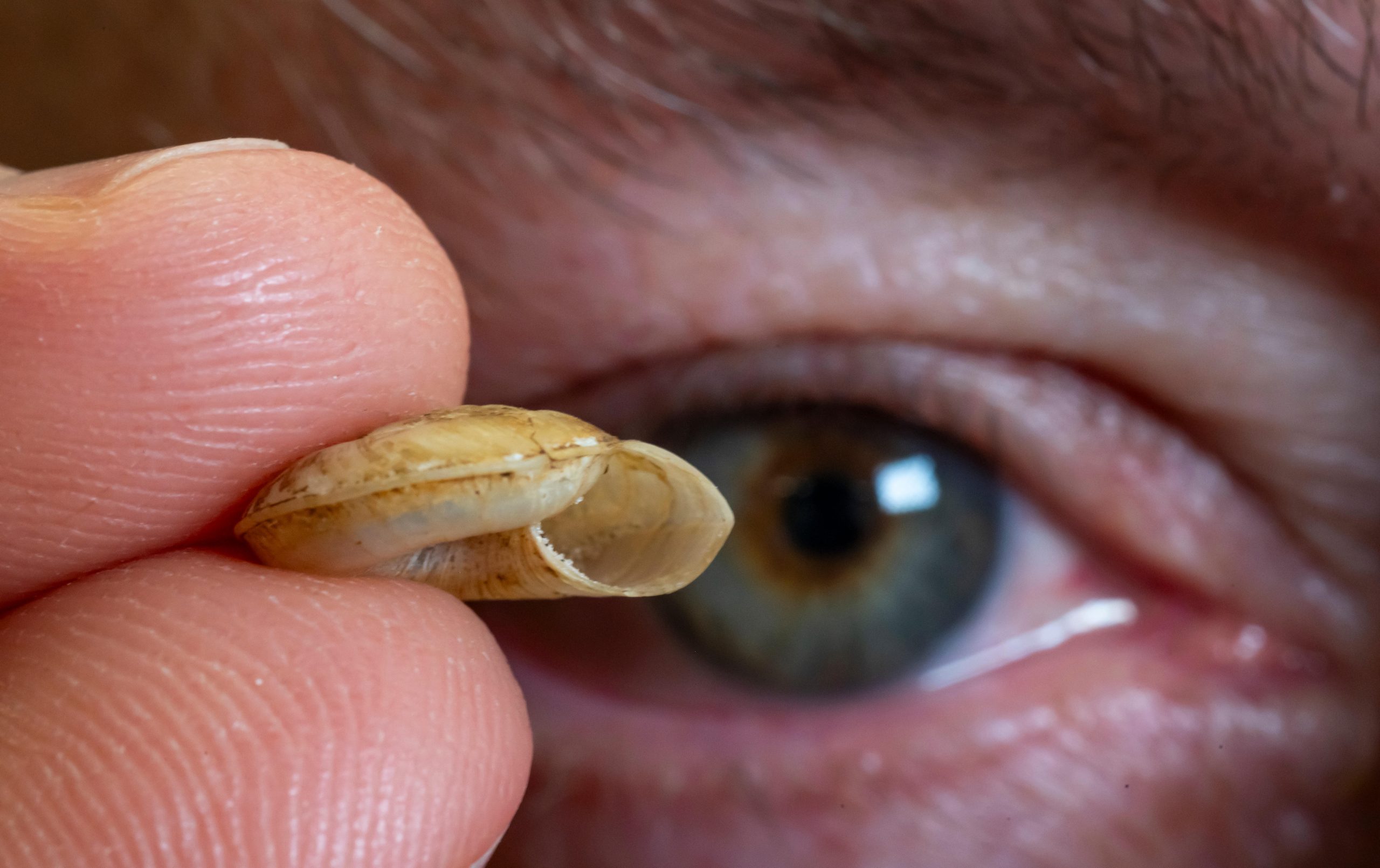
Nine recently discovered species of meat-eating land snails have been identified in the secluded forests of Papua New Guinea, known for its rich variety of species. A recent research paper details these tiny creatures, each so small that all nine could collectively rest on a U.S. nickel. These snails offer a unique chance to examine a rapidly vanishing group; globally, mollusks represent over half of the documented extinctions since 1500, with a significant number being land snails from the Pacific islands.
The island of New Guinea accounts for less than 1% of Earth’s land area, but it contains roughly 5% of the planet’s biodiversity and the largest intact rainforests in Australasia. Wildlife thrives within this large swath of undeveloped land, but Papua New Guinea’s old-growth forests are also highly desirable to loggers and are likely to become a conservation battleground in the future.
“These new species of snails were found in areas that still have native vegetation and still appear to be doing well, but they could easily become endangered if things change,” said John Slapcinsky, lead author of the paper and manager of the Florida Museum’s invertebrate zoology collection.
Challenging Exploration and Unique Snail Characteristics
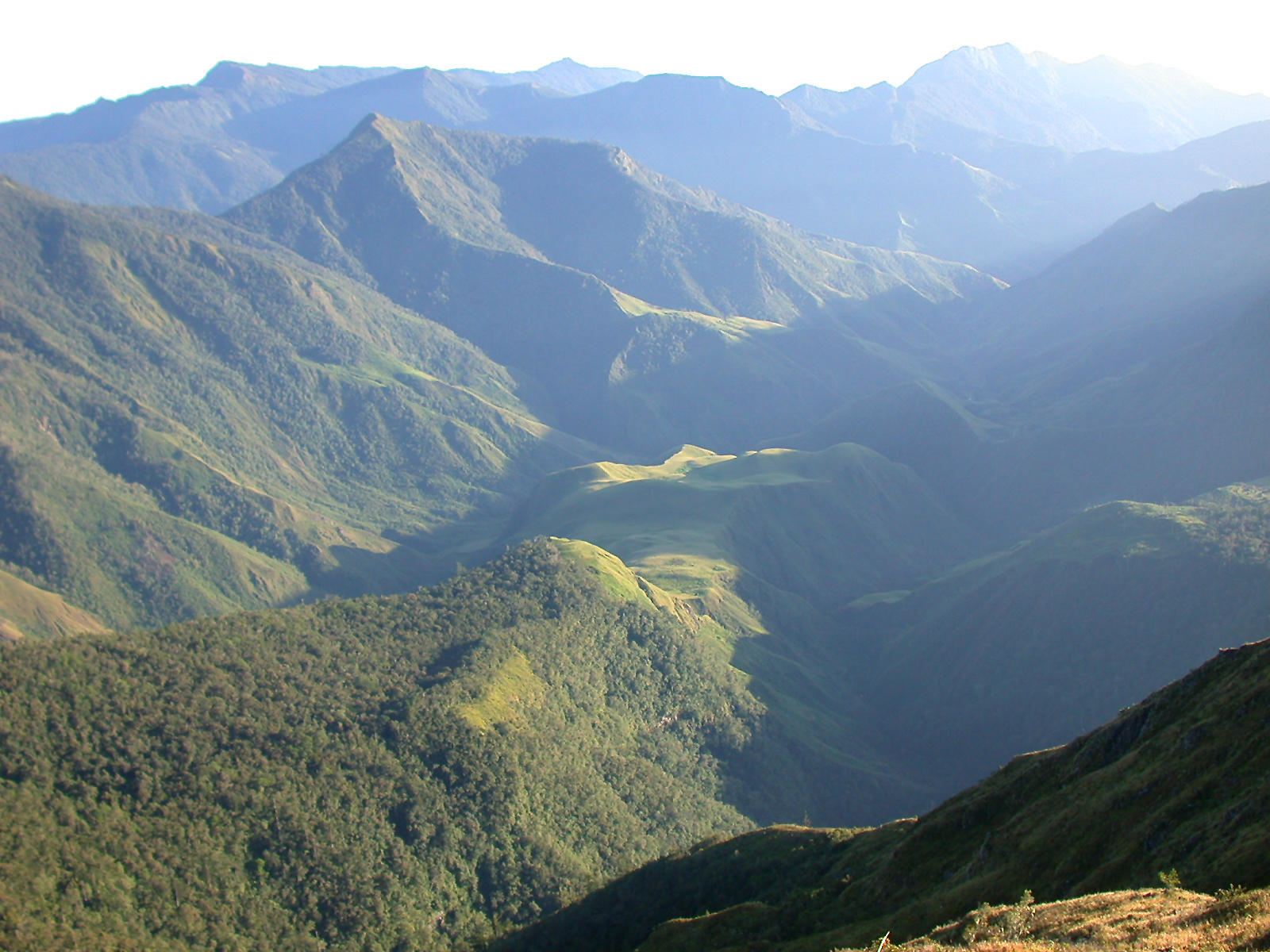
To reach Papua New Guinea’s isolated forests, researchers had to travel on foot over steep mountains, sometimes using fallen trees to cross crevices that were more than 100 feet deep. There are few roads in the country, which historically posed a challenge to scientists interested in researching the region but has also shielded native plants and animals from human disturbance and habitat destruction.
Slapcinsky took nine trips to Papua New Guinea between 2002 and 2012, each time staying for at least a month to comb through the soil and fallen leaves. He ultimately collected more than 19,000 snails from over 200 sites.
Only 31% of the snail species he surveyed had been previously documented, a sign of Papua New Guinea’s high biodiversity and low levels of sampling. But the snails are also exceptionally hard to find because of their small size, pickiness about their habitats, and limited distribution. Nearly all of them are restricted to a single island or mountain.
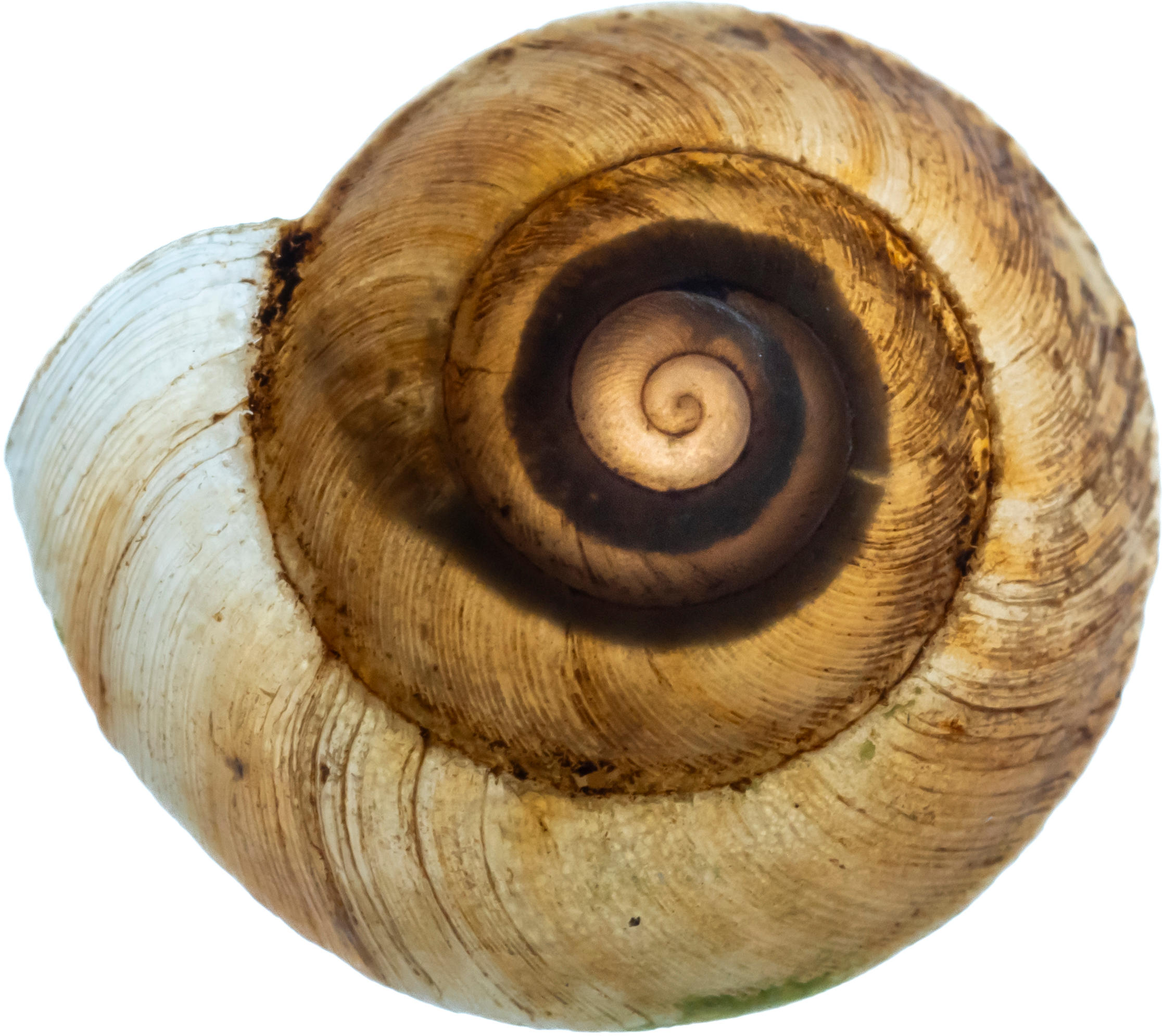
The newly named snails have tightly coiled, Frisbee-shaped shells in various shades of brown and tan, some with attractive gold or brown flamelike bands. One of the new species, Torresiropa paterivolans, was named for its resemblance to flying saucers (in Latin, “patera” means “saucer,” and “volans” means “flying”).
Predatory Nature and Conservation Status
All nine species have dagger-shaped teeth on their radula, which is characteristic of predatory snails. Just what they’re eating, Slapcinsky said, is a mystery, since the snails did not eat anything under observation. Still, the shape of the teeth, combined with the fact that other species in the same family — Rhytididae — are predators, suggests that these newly discovered snails do eat meat.
There is not yet enough data to know the conservation status of the new species, but it is a promising sign that their habitat has not yet been dramatically altered by human activity.
Slapcinsky contrasted this with the Hawaiian Islands, where native snails are at imminent risk of extinction. He works with a team at the Bishop Museum in Honolulu that collaborates with the state and federal government on captive breeding programs for native snail colonies, many of which harbor the last members of their species. They also provide native snails for fenced-in areas, known as exclosures, where predators have been removed and the native forest has been replanted. These are expensive programs that Papua New Guinea still has the chance to avoid, Slapcinsky said, by slowing deforestation and preventing the introduction of non-native predators before it becomes a more serious problem.
Snail Vulnerability and the Importance of Conservation
Snails are highly vulnerable to habitat disturbances because they cannot easily travel long distances and are usually adapted only to the environment in their immediate vicinity. “When these habitats are threatened, snails are often out of luck, since they can’t go anywhere,” Slapcinsky said.
Many past discoveries of new snail species, especially on Pacific islands, have come after it was too late to save them. Scientists did not know that many snails lived on Easter Island, which was completely deforested centuries ago, until examining fossil deposits. But species on the island of New Guinea can still be saved if the forest is saved. The newly named snails provide a rare glimpse at an ecosystem that remains largely intact, and there are surely many similar discoveries yet to be made.
“We don’t know everything that’s out there,” Slapcinsky said. “Most people may not realize how poorly known most of the invertebrates are, even though 95 to 99% of all animals are invertebrates. You can go to a place, look around for a few months, and find all sorts of things that haven’t been described before.”
Reference: “Overlooked predatory snails from Papua New Guinea: nine new Torresiropa Solem, 1959 (Gastropoda: Stylommatophora: Rhytididae)” by John Slapcinsky and Ashley Elizabeth Murphy, 13 December 2023, Archiv für Molluskenkunde.
DOI: 10.1127/arch.moll/152/135-152
The study was funded by the National Science Foundation, the University of Florida Foundation, and the University of Hawaiʻi at Mānoa.
Never miss a breakthrough: Join the SciTechDaily newsletter.
Follow us on Google and Google News.