
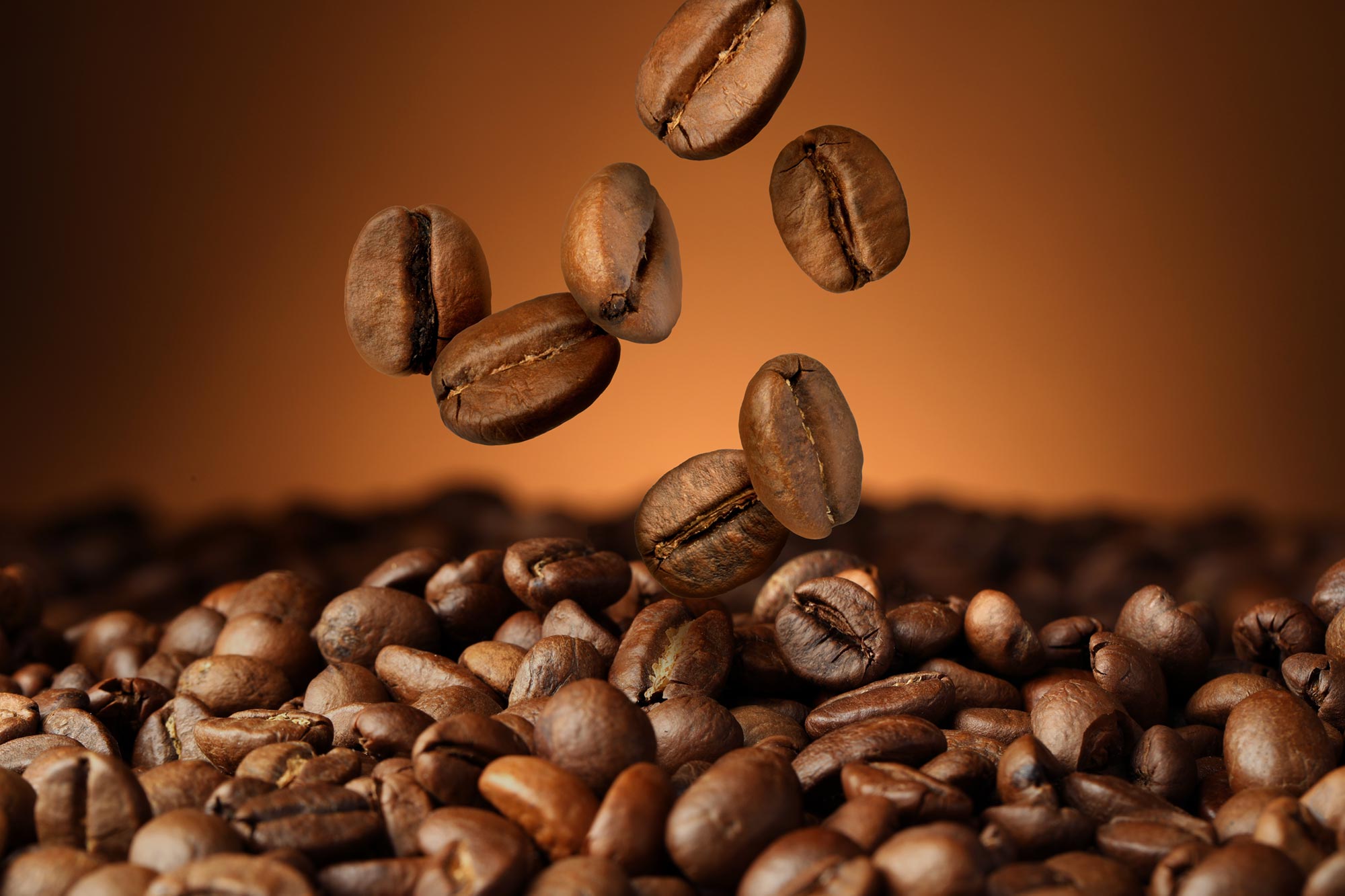
A new study reveals that roasted coffee contains previously unknown compounds capable of inhibiting a key enzyme linked to blood sugar control.
Scientists have identified three compounds that strongly inhibited α-glucosidase, an enzyme that plays a central role in breaking down carbohydrates during digestion. Because blocking this enzyme can help control post-meal blood sugar spikes, the results point to new possibilities for developing functional food ingredients aimed at managing type 2 diabetes.
Functional foods are valued not only for basic nutrition but also for their ability to deliver biologically active compounds that support health. These compounds can offer antioxidant, neuroprotective, or blood glucose–lowering effects. However, finding them within complex food mixtures is difficult. Conventional extraction and identification techniques are often slow, labor-intensive, and inefficient.
To overcome these limitations, researchers increasingly rely on advanced analytical tools such as nuclear magnetic resonance (NMR) and liquid chromatography–mass spectrometry (LC-MS/MS). These methods make it possible to rapidly pinpoint bioactive molecules, even in chemically rich and diverse foods like roasted coffee.
Exploring Coffee’s Hidden Bioactive Potential
A study published in Beverage Plant Research by Minghua Qiu’s team at the Kunming Institute of Botany, Chinese Academy of Sciences highlights coffee as a promising source of anti-diabetic compounds and broadens scientific insight into its functional components.
The researchers designed a three-step, activity-focused strategy to efficiently uncover bioactive diterpene esters from roasted Coffea arabica beans. Their approach aimed to identify both abundant compounds and those present in trace amounts that inhibit α-glucosidase, while reducing solvent consumption and shortening analysis time.
Stepwise Identification of Bioactive Diterpenes
The researchers began by breaking the complex coffee extract into 19 smaller portions, known as fractions, using silica gel chromatography, a common technique that separates compounds based on how they move through a solid material. Each fraction was then examined using ^1H NMR, a method that reveals information about hydrogen atoms in molecules, and tested to see how well it could block α-glucosidase activity.
To make sense of the large amount of NMR data, the team created a cluster heatmap, a visual tool that groups samples with similar chemical patterns. This analysis highlighted fractions Fr.9 through Fr.13 as the most biologically active. These fractions shared similar hydrogen signal patterns, suggesting they contained related compounds.
A closer look at one representative sample, Fr.9, using ^13C-DEPT NMR, which focuses on carbon atoms in molecules, revealed the presence of an aldehyde group. This result matched what was suggested by the earlier hydrogen-based analysis. The researchers then further purified Fr.9 using semi-preparative HPLC, a technique that separates compounds in liquid form, which led to the isolation of three previously unknown diterpene esters named caffaldehydes A, B, and C.
Potent Enzyme Inhibition and Discovery of Trace Compounds
The structures of these new compounds were confirmed using a combination of 1D and 2D NMR methods and high-resolution mass spectrometry (HRESIMS), which precisely measures molecular mass. While the three molecules shared a similar core structure, they differed in the fatty acid chains attached to them, specifically palmitic, stearic, and arachidic acids.
All three compounds showed moderate ability to inhibit α-glucosidase, with IC₅₀ values of 45.07, 24.40, and 17.50 μM respectively, making them more effective than acarbose, a clinically prescribed antidiabetic drug commonly used to manage type 2 diabetes by slowing carbohydrate digestion through α-glucosidase inhibition.
To find additional bioactive compounds present in extremely small amounts, beyond what NMR or standard HPLC could easily detect, the team used LC-MS/MS, an advanced technique that separates compounds and breaks them into fragments for identification. By analyzing grouped fractions and creating a molecular network with GNPS and Cytoscape, software tools that reveal relationships between similar molecules, the researchers discovered three more previously unknown diterpene esters (compounds 4–6).
These trace compounds were closely related to caffaldehydes A–C and shared similar fragment patterns, but differed in their fatty acid components, which included magaric, octadecenoic, and nonadecanoic acids.
Implications for Functional Foods and Future Research
Their absence in compound databases confirmed their novelty. Together, these findings demonstrate the effectiveness of this integrative dereplication approach in discovering structurally diverse, biologically relevant compounds in complex food matrices like roasted coffee.
This research opens the door to developing new functional food ingredients or nutraceuticals derived from coffee, targeting glucose regulation and potentially aiding in diabetes management.
More broadly, the dereplication strategy introduced here—using minimal solvent and advanced spectral analysis—can be adapted for rapid screening of bioactive metabolites in other complex food matrices. Future work will explore the biological activity of the newly identified trace diterpenes and assess their safety and efficacy in vivo.
Reference: “Bioactive oriented discovery of diterpenoids in Coffea arabica basing on 1D NMR and LC-MS/MS molecular network” by Guilin Hu, Chenxi Quan, Abdulbaset Al-Romaima, Haopeng Dai and Minghua Qiu, 18 February 2025, Beverage Plant Research.
DOI: 10.48130/bpr-0024-0035
This study was supported financially by the National Natural Science Foundation of China, China (U1902206) , Key Research and Development Project of Yunnan Province (202003AD15 0006), China Postdoctoral Science Foundation (2023M743591), Postdoctoral Fellowship Program of CPSF (GZC20232766), Special Research Assistant of Chinese Academy of Sciences, Yunnan Caiyun Postdoctoral Program, Coffee Industry Science and Technology Mission in Zhenkang County, Yunnan (202204BI090009), Project of Yunnan International Joint Innovation platform (202203AP140106), Project of Expert workstation of Yunnan Science and Technology Association (2024).
Never miss a breakthrough: Join the SciTechDaily newsletter.
Follow us on Google and Google News.
1 Comment
If I continue drinking coffee ( brewed) it will soon kill me