
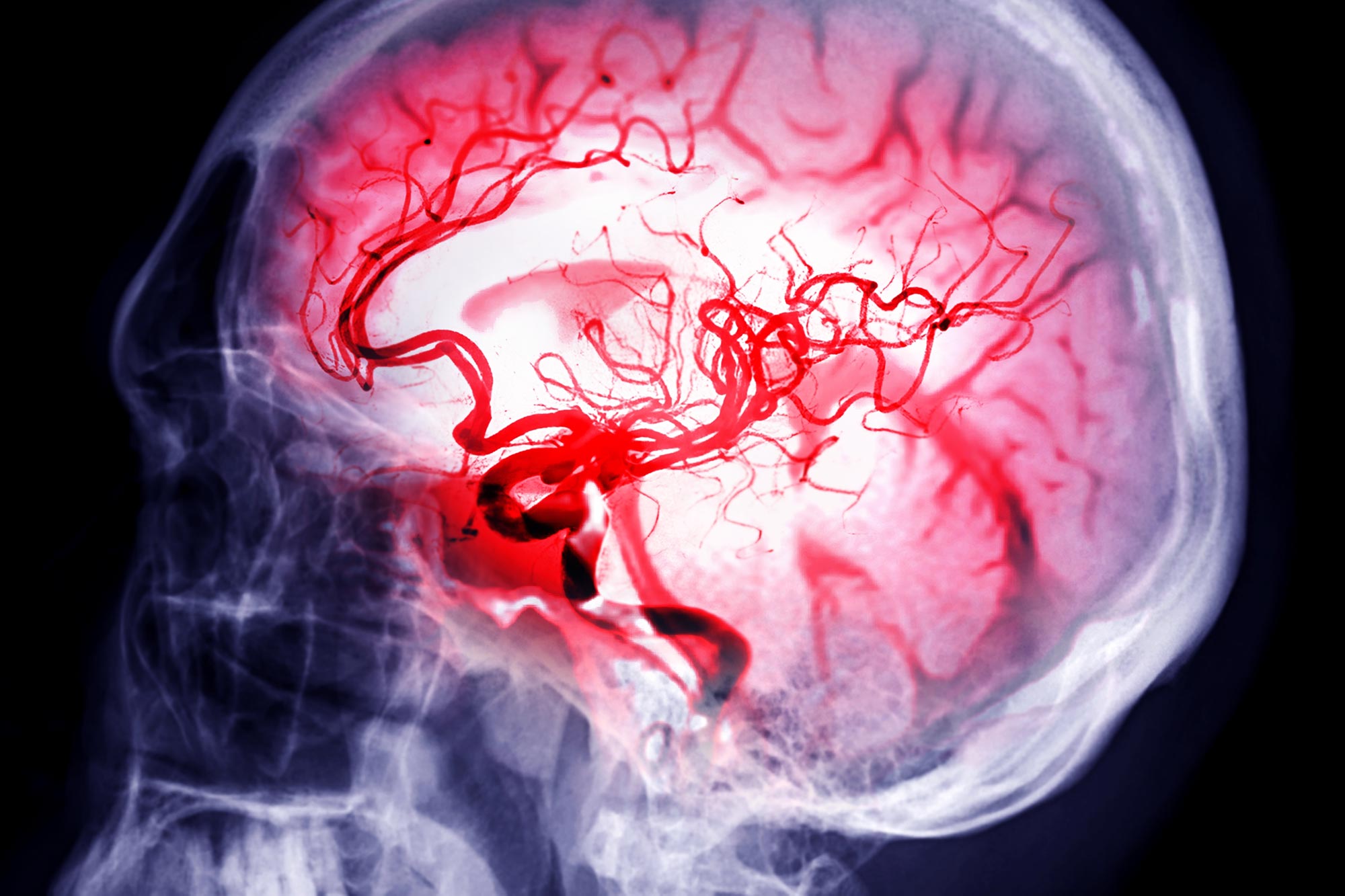
A new study suggests that strengthening the body’s natural circadian rhythms may help the brain recover after stroke, even when treatment begins days after the injury.
Every year, millions of people survive a stroke, but recovery often continues long after the immediate medical emergency has passed. Scientists are increasingly discovering that factors beyond the initial brain injury—including sleep, the body’s internal clock, and the brain’s own cleaning system—may play important roles in determining how well the brain heals.
Now, researchers at the University of Rochester Medicine report that strengthening the body’s natural daily rhythms may help boost recovery after stroke. The study suggests that reinforcing circadian rhythms, the 24-hour biological cycles that regulate sleep and many other bodily functions, could enhance the brain’s ability to clear waste and reduce lingering inflammation.
Published in the Journal of Clinical Investigation, the research found that treatments designed to reinforce circadian rhythms improved recovery in mouse models of stroke. The benefits were associated with enhanced function of the glymphatic system, a recently discovered network that helps flush waste products from the brain, as well as lower levels of inflammatory molecules that can persist long after the initial injury.
The research builds on more than a decade of work led by URochester Medicine neuroscientist Maiken Nedergaard, MD, DMSc, whose team discovered the glymphatic system in 2012. This network circulates cerebrospinal fluid throughout the brain, helping remove waste and debris. Later studies showed that glymphatic activity is strongest during sleep and is important for maintaining brain health.
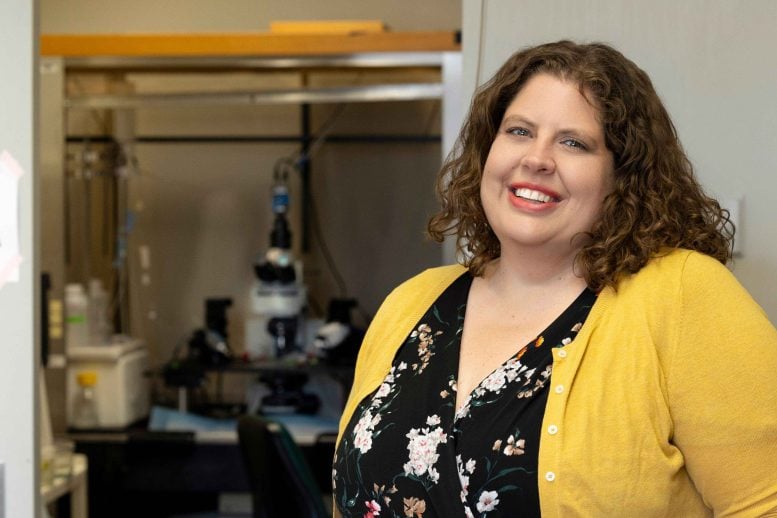
Expanding on those findings, neuroscientist Lauren Hablitz, PhD, helped show that glymphatic function is regulated not only by sleep but also by circadian rhythms, the body’s internal 24-hour clock. In a landmark 2020 study, Hablitz, Nedergaard, and colleagues demonstrated that glymphatic activity follows daily patterns even when sleep is not a factor, establishing a direct link between circadian biology and the brain’s waste-clearing system.
Stroke as a Disorder of Timing
“The discussion of stroke recovery really starts with the idea that stroke is not just a vascular event, but also a disorder of timing,” said Hablitz, lead author of the new study.
Scientists have long observed that strokes follow predictable daily patterns. They occur more frequently in the morning and are often most severe near the end of the sleep cycle. Many stroke survivors also experience disruptions to their sleep-wake schedules, which have been associated with poorer recovery, depression, and reduced quality of life.
“That led us to ask a simple question,” said Hablitz. “If timing is broken after a stroke, can we improve recovery by reinforcing the biological clock?”
Glymphatic Dysfunction and Brain Inflammation
In a healthy brain, the glymphatic system moves cerebrospinal fluid along blood vessels and through brain tissue, delivering nutrients while removing waste products and inflammatory signals. Previous research has shown that this system becomes less effective after a stroke, potentially reducing the brain’s ability to clear harmful molecules during recovery.
Traditionally, stroke research has focused on identifying harmful forms of inflammation and finding ways to suppress them. Hablitz and her colleagues suggest that impaired waste clearance may also play an important role.
“We think part of the problem may be a failure of cleaning,” she said. “If the system responsible for clearing signaling molecules isn’t working properly, everything builds up.”
According to this model, a stroke damages not only brain tissue but also the pathways responsible for removing inflammatory signals. As those molecules accumulate, they may contribute to ongoing damage and slower recovery.
Testing Circadian-Based Stroke Treatments
To determine whether restoring circadian rhythms could improve recovery, the researchers tested several approaches known to affect the body’s internal clock, including controlled light exposure, melatonin, a clock-targeting drug called KL001, and time-restricted feeding.
The team first showed that each method enhanced glymphatic function in healthy animals. They then evaluated the two most promising interventions, KL001 and time-restricted feeding, in mouse models of stroke.
Treatment began three days after the stroke, well beyond the limited window when clot-busting drugs and other emergency treatments are effective. Even with that delay, mice receiving either intervention experienced better motor recovery, smaller brain lesions, improved glymphatic flow, and lower levels of inflammatory cytokines.
“All of the cytokines moved in the same direction,” Hablitz said. “That suggests we may not be targeting one specific inflammatory pathway. Instead, we may be helping the brain clear inflammatory signals more effectively.”
Time-Restricted Feeding Shows Promise
Because time-restricted feeding produced some of the strongest results, the findings may have practical relevance for stroke rehabilitation. The approach is already being studied for conditions including obesity, diabetes, and cardiovascular disease.
“One of the exciting aspects of this work is that we’re studying interventions that could potentially be implemented not only in hospitals but also at home,” Hablitz said.
Future Directions for Circadian Stroke Therapy
The researchers emphasize that the results are currently limited to animal studies. More research is needed to better understand how circadian rhythms, glymphatic function, and inflammation interact following a stroke.
Future work will examine whether improved glymphatic flow directly contributes to recovery and whether circadian-based therapies can be advanced into clinical trials.
More broadly, the findings reflect a growing view in neuroscience that sleep, circadian rhythms, and fluid movement through the brain are central to overall brain health. By better understanding how the body’s internal clock regulates the glymphatic system, researchers hope to develop new treatments not only for stroke recovery but also for other neurological conditions involving inflammation and impaired waste removal.
“Understanding how circadian regulation shapes glymphatic clearance will help us develop more targeted therapies,” said Hablitz. “Ultimately, our goal is to find ways to improve the brain’s ability to clear waste, reduce inflammation, and recover after injury.”
Reference: “Chronotherapy to reinforce circadian rhythms improves poststroke outcomes and glymphatic function in mice” by Emma Waight, Yuxi Zhu, Ashley Caudell, Velia S. Vizcarra, Evan Newbold, Michael J. Giannetto, Evalien Duyvestyn, Estephanie Balbuena, Wei Song, Tanzil M. Arefin, Yuki Mori, Maiken Nedergaard and Lauren M. Hablitz, 15 June 2026, The Journal of Clinical Investigation.
DOI: 10.1172/JCI201800
Never miss a breakthrough: Join the SciTechDaily newsletter.
Follow us on Google and Google News.